
- Release Year: 2005
- Platforms: Windows, Xbox 360, Xbox One
- Publisher: K.E. Media, SEGA Corporation, SEGA Europe Ltd., SEGA of America, Inc.
- Developer: Monolith Productions, Inc.
- Genre: Action
- Perspective: 1st-person
- Game Mode: Single-player
- Gameplay: Forensic investigation, Melee Combat, Puzzle solving, Quick Time Events (QTEs), Shooter
- Setting: Contemporary, Horror, North America
- Average Score: 82/100
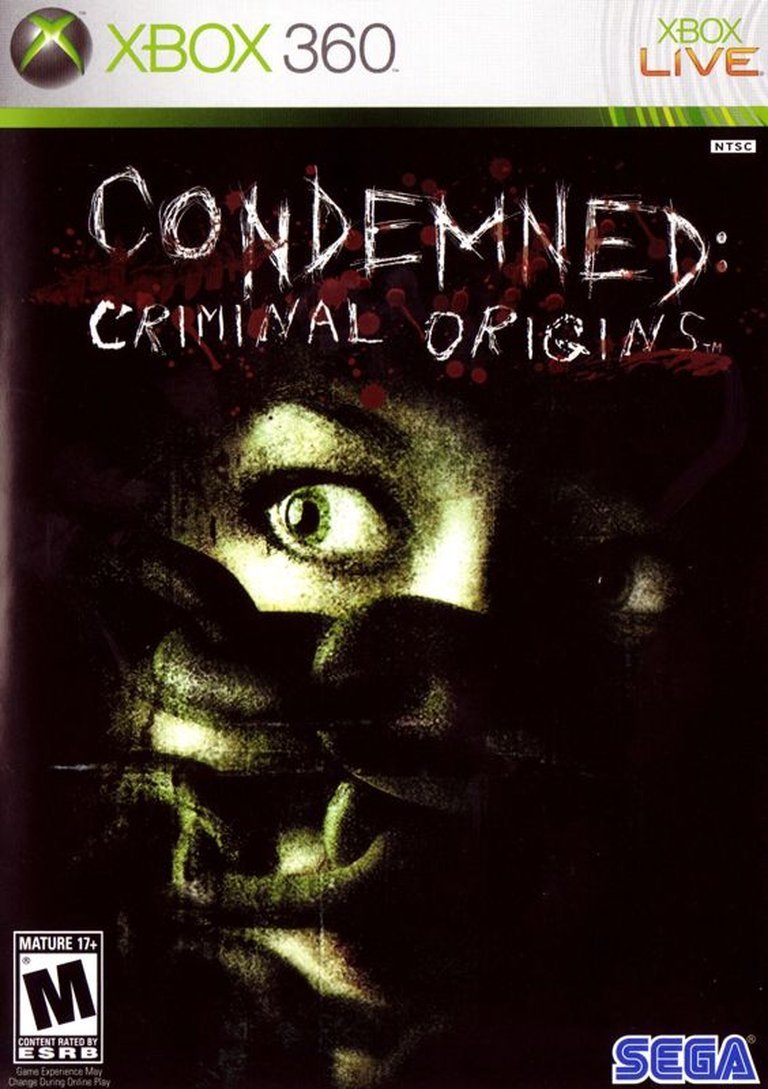
Description
In ‘Condemned: Criminal Origins’, players assume the role of FBI agent Ethan Thomas, a member of the Serial Crimes Unit investigating a twisted serial killer known as The Match Maker. Set across grim urban decay—from abandoned offices to subways and farms—the game blends visceral first-person melee combat using environmental weapons (pipes, signs) with tense forensic investigations involving UV lights and cameras. As Thomas uncovers dark conspiracies and battles deranged foes, he navigates oppressive darkness where enemies exploit shadows, amplifying the game’s relentless horror atmosphere.
Gameplay Videos
Condemned: Criminal Origins Free Download
Condemned: Criminal Origins Cracks & Fixes
Condemned: Criminal Origins Patches & Updates
Condemned: Criminal Origins Mods
Condemned: Criminal Origins Guides & Walkthroughs
Condemned: Criminal Origins Reviews & Reception
metacritic.com (81/100): Though the game could be longer and could stand more diversity, the cold shivers that run down your spine while playing it are an undeniable rush.
gamepressure.com (87/100): The game is praised for its fantastic, creepy atmosphere and effective horror elements.
imdb.com (80/100): Suspenseful from the beginning. The combat is visceral and full of impact, and overall, it’s a cult classic for good reason and a worthy addition to the horror game library.
trustedreviews.com : Condemned is actually a survival horror game, and a shockingly brutal one at that.
Condemned: Criminal Origins Cheats & Codes
Xbox 360
Enter as a case-sensitive profile name.
| Code | Effect |
|---|---|
| ShovelFighter | Unlocks all levels and all additional content usually unlocked through earning achievements. |
Condemned: Criminal Origins: Review
A Brutal Descent into Psychological Horror and Melee Combat Innovation
Introduction
In the shadowy alleys of gaming history, Condemned: Criminal Origins (2005) stands as a visceral landmark. Developed by Monolith Productions and published by Sega, this Xbox 360 launch title redefined first-person horror by trading gunplay for primal melee combat and suffocating atmosphere. Framed as a psychological thriller dripping with dread, Condemned tasks players with surviving a deranged underworld of serial killers, crumbling urban decay, and existential terror. Though flawed, its legacy endures as a cult classic—a bridge between Silent Hill’s existential horror and F.E.A.R.’s kinetic action. This review dissects its creation, mechanics, and lasting influence, arguing that Condemned remains a masterclass in atmospheric tension and a forgotten pioneer of first-person melee combat.
Development History & Context
Studio Vision and Technological Ambition
Monolith Productions, known for Blood (1997) and F.E.A.R. (2005), sought to defy expectations with Condemned. Amid a mid-2000s gaming landscape dominated by military shooters, the team aimed to create a “psychological thriller” rooted in visceral melee combat and forensic detective work. Drawing inspiration from films like Se7en and The Silence of the Lambs, lead designer Frank Rooke prioritized unsettling realism over fantastical scares.
As an Xbox 360 launch title, Condemned leveraged next-gen tech to amplify immersion. The LithTech Jupiter EX engine enabled dynamic lighting, volumetric shadows, and realistic physics—critical for the game’s claustrophobic environments. Producer David Hasle emphasized “no static lighting,” meaning every shadow could shift, enhancing unpredictability. However, hardware constraints forced compromises: texture detail sometimes faltered, and facial animations bordered on uncanny.
The Gaming Landscape of 2005
Released alongside Call of Duty 2 and Perfect Dark Zero, Condemned stood out as a dark horse. Its focus on melee combat and forensic investigation contrasted sharply with contemporaries, though comparisons to The Chronicles of Riddick: Escape from Butcher Bay (2004) arose. Yet Condemned distinguished itself through sheer brutality, earning a reputation as one of the Xbox 360’s most unsettling experiences.
Narrative & Thematic Deep Dive
Plot and Characters
Players assume the role of Ethan Thomas, an FBI agent in Metro City’s Serial Crime Unit (SCU). After being framed for murder by the enigmatic “Serial Killer X,” Ethan descends into a labyrinth of abandoned subways, derelict schools, and grotesque crime scenes. The narrative oscillates between grounded detective drama and surreal psychological horror, revealing Ethan’s latent psychic abilities and ties to a shadowy cult.
While the story intrigues early on—particularly its critique of institutional decay and urban alienation—it fractures near the climax. Themes of systemic violence and existential duality (Ethan vs. SKX) lose cohesion as supernatural elements hijack the plot. Critics lamented the abrupt shift from procedural realism to cosmic horror, though the ambiguity of Ethan’s final transformation (mirroring his nemesis’ metallic implants) remains haunting.
Themes and Symbolism
Condemned explores the thin line between order and madness. Metro City, riddled with vagrants and rotting infrastructure, reflects societal collapse. Ethan’s psychic visions—hallucinations of crows, distorted reality—mirror his unraveling psyche. The game’s fixation on hands (mannequins, forensic gloves, SKX’s metallic claws) symbolizes control and dehumanization.
Yet subtlety isn’t its strength. Heavy-handed symbolism (e.g., the “Match Maker” killer arranging corpses with mannequins) often overshadows nuance. Still, Ethan’s vulnerability—a far cry from archetypical action heroes—lends pathos. His Latino heritage and weary demeanor subvert genre tropes, grounding the horror in relatable desperation.
Gameplay Mechanics & Systems
Brutal Melee Combat
Condemned’s genius lies in its first-person melee system. Weapons—pipes, rebar, fire axes—feel weighty and lethal, with distinct stats for speed, damage, and blocking. Combat revolves around timing blocks to stagger foes, then countering with bone-crunching strikes. The absence of combos (a deliberate choice) forces players into desperate, improvised brawls, enhancing realism.
However, repetition plagues the system. Despite varied weapons, basic movesets and predictable enemy AI limit depth. Firearms, while rare and un-reloadable, disrupt pacing; shotgunning foes in tight corridors feels out of place.
Forensic Investigation: Missed Potential
Crime scene analysis—using UV lights, spectrometers, and cameras—promised innovation but delivered monotony. The game handholds players through evidence collection, reducing investigations to linear button prompts. What could’ve been a CSI-style puzzle element becomes a superficial detour.
AI and Level Design
Enemies exhibit shocking intelligence—flanking, ambushing, and exploiting darkness by sabotaging fuse boxes. However, scripted behaviors eventually reveal patterns, dulling the threat. Level design, while atmospheric, suffers from backtracking and repetitive industrial locales (subways, warehouses). Standout exceptions—like a haunted department store filled with mannequins—showcase Monolith’s knack for terror.
World-Building, Art & Sound
A City Rotting from Within
Metro City’s grime-coated alleys and flickering fluorescents evoke Jacob’s Ladder’s urban hell. Environmental storytelling shines: graffiti-laden walls, bloodstained mattresses, and deranged scribblings imply off-screen atrocities. The abandoned mall level, with its uncanny mannequins and shifting shadows, ranks among gaming’s most unnerving sequences.
Visual and Audio Mastery
Despite muddy textures, Condemned’s lighting remains a technical marvel. Dynamic shadows and film grain effects amplify disorientation. Sound design, however, is its crown jewel: distant screams, creaking floorboards, and SKX’s guttural taunts immerse players in paranoia. Nathan Grigg’s score—a dissonant mix of industrial drones and strained strings—heightens the dread.
Reception & Legacy
Critical and Commercial Impact
Condemned earned an 81/100 on Metacritic (Xbox 360), praised for sound, atmosphere, and combat. Critics derided its short length (~10 hours) and forensic shallowness, but hailed it as a brave departure from shooter conventions. It sold modestly, becoming the fifth-best-selling Xbox 360 launch title in North America.
Influence and Cult Status
Though overshadowed by F.E.A.R., Condemned inspired later titles like Dead Space (limb-based melee) and Outlast (environmental immersion). Its AI innovations influenced Left 4 Dead’s Director system. Yet its legacy is bittersweet: the 2008 sequel, Condemned 2: Bloodshot, refined combat but doubled down on supernatural tropes, muddying the franchise’s identity. A planned film (Species X) and expanded universe never materialized, leaving Ethan’s story unresolved.
Germany banned the game in 2008 for “excessive violence”—a dubious honor underscoring its visceral impact.
Conclusion
Condemned: Criminal Origins is a flawed masterpiece. Its melee combat system—raw, brutal, and deeply tactile—remains unmatched in first-person gaming. The oppressive atmosphere, bolstered by peerless sound design, immerses players in a world where every shadow hides madness. Yet repetitive gameplay, a convoluted narrative, and squandered forensic mechanics prevent it from achieving timelessness.
Despite these shortcomings, Condemned deserves recognition as a trailblazer. It challenged the shooter-dominated landscape of 2005, proving horror could thrive without zombies or jump scares. For players willing to brave its bleak corridors, it offers an experience as unforgettable as it is unsettling—a testament to Monolith’s ambition and audacity.
In the pantheon of horror games, Condemned is a rough-cut gem: imperfect, unpolished, but undeniably brilliant.