
- Release Year: 2015
- Platforms: Linux, Windows
- Publisher: TheShortAndTheTall
- Developer: TheShortAndTheTall
- Genre: Action, Adventure
- Perspective: 3rd-person (Other)
- Game Mode: Single-player
- Gameplay: Puzzle elements
- Setting: Futuristic, Sci-fi
- Average Score: 77/100
Description
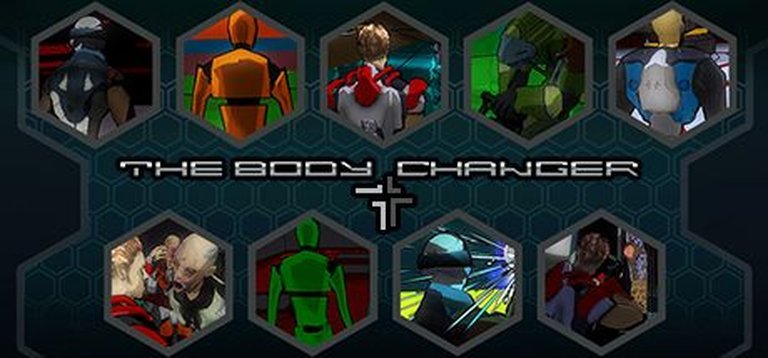
The Body Changer is a sci-fi adventure game set in a futuristic world where players navigate through a mysterious laboratory tower. The game follows a protagonist who awakens in a strange room and must explore the abandoned building while avoiding bizarre creatures that attempt to ‘transfur’ them, potentially losing their sense of self in the process. The objective is to uncover the truth behind their situation and escape the facility, all while dealing with the enigmatic black wolf that aids from afar.
Where to Buy The Body Changer
PC
The Body Changer Cracks & Fixes
The Body Changer Guides & Walkthroughs
The Body Changer Reviews & Reception
store.steampowered.com (78/100): If you like the kind of cooperative action puzzle game, and you are not afraid of difficult titles, keep it in serious consideration, because it is worth playing and a because it’s not a genre rich of releases.
goldplatedgames.com : Every time I sat down to play The Body Changer, I got an intense urge to do literally anything else after about fifteen minutes.
metacritic.com (78/100): The Body Changer is an interesting The Lost Vikings clone, with some original features.
The Body Changer: A Masterclass in Existential Horror and Transformative Gameplay
Introduction
In the crowded landscape of indie horror, The Body Changer (known internationally as Changed) stands as a haunting meditation on identity, survival, and the cost of transformation. Developed by Chinese solo creator DragonSnow and released in 2018, this RPG Maker VX–crafted experiment blends labyrinthine puzzles, psychological dread, and body horror into a cult classic that has since become a touchstone for narrative-driven surrealism. This review argues that The Body Changer is not merely a game but an existential odyssey, leveraging its mechanics and atmosphere to interrogate what it means to retain humanity in a world that demands radical change.
Development History & Context
DragonSnow, a pseudonymous developer with roots in the furry fandom, conceived The Body Changer as a passion project blending his interests in speculative biology and horror. Built on the limited framework of RPG Maker VX, the game’s technical constraints—simple 2D sprites, tile-based environments—became strengths, forcing a focus on claustrophobic level design and meticulous pacing. Released during an era dominated by AAA blockbusters, The Body Changer carved a niche by subverting expectations: instead of empowering players, it rendered them vulnerable, fragile, and perpetually pursued.
The game’s development was shaped by DragonSnow’s iterative design philosophy. Early builds emphasized punishing difficulty, but player feedback led to quality-of-life improvements in the 2020 Changed Special Edition, which added auto-saves, clearer relationship cues, and expanded lore. This duality—harshness tempered by compassion—mirrors the game’s own themes of survival and connection.
Narrative & Thematic Deep Dive
The Body Changer follows Colin, a nameless amnesiac awakening in a derelict laboratory overrun by “Transfurs,” gelatinous creatures that assimilate humans into their ranks. Through fragmented logs and encounters with the enigmatic Dr. K and the wolf-like Puro, players learn of a global apocalypse: the Pale Virus, an ancient pathogen unleashed by Antarctic mining, wiped out humanity, leaving only lab-grown latex beasts as its inheritors.
Key Themes:
- Identity and Assimilation: The Transfurs represent a literal loss of self, their “transfurmation” process rewriting victims’ bodies and minds. Colin’s struggle—preserving his humanity versus embracing change—echoes real-world anxieties about pandemics, technological disruption, and social conformity.
- Loneliness and Connection: Puro, a sapient black latex wolf, serves as Colin’s foil. His initial intention to use Colin as a host evolves into genuine camaraderie, questioning whether empathy can transcend biological imperatives.
- Ethical Ambiguity: Dr. K, a scientist who transformed himself to survive, embodies moral grayness. His desperate measures—forcing Colin’s transformation or destroying Puro—highlight the cost of utilitarianism in a broken world.
The game’s five endings range from bittersweet to tragic, each a referendum on Colin’s choices. The “Can’t Decide” golden ending, where Colin willingly becomes a hybrid, offers fragile hope: change is inevitable, but agency remains.
Gameplay Mechanics & Systems
The Body Changer masquerades as a puzzle-platformer but operates as a survival horror experience. Its core loop revolves around evasion, observation, and repetition:
- Run or Die: Combat is nonexistent. Players must memorize enemy patterns, exploit environmental shortcuts, and master timing to outmaneuver Transfurs. Failure results in grotesque transformation sequences, each a unique “Game Over” that reinforces the stakes.
- Puzzle Design: The laboratory’s locked doors and decontamination chambers demand spatial reasoning. Later levels introduce stealth segments, light-based mechanics, and even a WarioWare-inspired minigame, showcasing DragonSnow’s playful experimentation.
- Relationship System: Dialogue choices with Puro dynamically alter the narrative. Ignoring his advice or rejecting his companionship locks players into darker endings, emphasizing trust as a resource.
The Special Edition refined these systems with anti-frustration features (e.g., clearer relationship indicators) while preserving the original’s punishing ethos.
World-Building, Art & Sound
The game’s aesthetic is a masterclass in minimalism and symbolism:
- Visual Design: The lab’s sterile corridors, flooded reactor rooms, and overgrown greenhouses evoke isolation and decay. Transfur designs blend the whimsical (a shark-latex hybrid) and the uncanny (masked “Black Goo” creatures), their cartoonish appearance juxtaposed with grotesque assimilation animations.
- Soundscapes: Composer Shizi’s soundtrack oscillates between melancholic piano melodies (e.g., “Puro’s Home”) and oppressive synth waves in chase sequences. The absence of music in certain areas amplifies tension, with only the drip of water or skitter of latex echoing in the void.
- Environmental Storytelling: Scattered photos and logs reveal the lab’s downfall, humanizing the faceless victims. A chilling detail: censored eyes in pre-transformation photos uncensor post-assimilation, symbolizing loss of identity.
Reception & Legacy
Upon release, The Body Changer polarized critics. Some dismissed its difficulty and niche themes, while others praised its ambition. Over time, however, it gained a fervent fanbase, fueled by:
– Cultural Impact: The game’s transfurmation sequences became internet sensations, inspiring fan art, memes, and academic analyses of its body horror.
– Influence on Indie Horror: Titles like Carrion and Signalis borrow its emphasis on vulnerability and environmental storytelling.
– Controversy: Accusations of fetishistic undertones (stemming from DragonSnow’s furry affiliations) sparked debates about artistic intent versus interpretation.
Steam reviews now sit at “Mostly Positive,” with players lauding its emotional depth and unique premise.
Conclusion
The Body Changer is a paradox: a game about loss that leaves an indelible mark. Its ragged edges—the janky RPG Maker engine, the uneven difficulty—only heighten its authenticity, like scars on a survivor. By confronting players with existential dread and demanding empathy for both hunter and hunted, DragonSnow crafted a work that transcends its indie roots.
In an industry obsessed with power fantasies, The Body Changer asks: What would you sacrifice to remain yourself? Its answer—a fragile, fleeting hope—cements its place as one of gaming’s most provocative meditations on change.