
- Release Year: 2012
- Platforms: Android, iPad, iPhone, Windows
- Publisher: 07th Expansion, Aibee, Inc.
- Developer: 07th Expansion
- Genre: Adventure
- Perspective: 1st-person
- Game Mode: Single-player
- Gameplay: Visual novel
- Setting: Japan, Post-World War II
Description
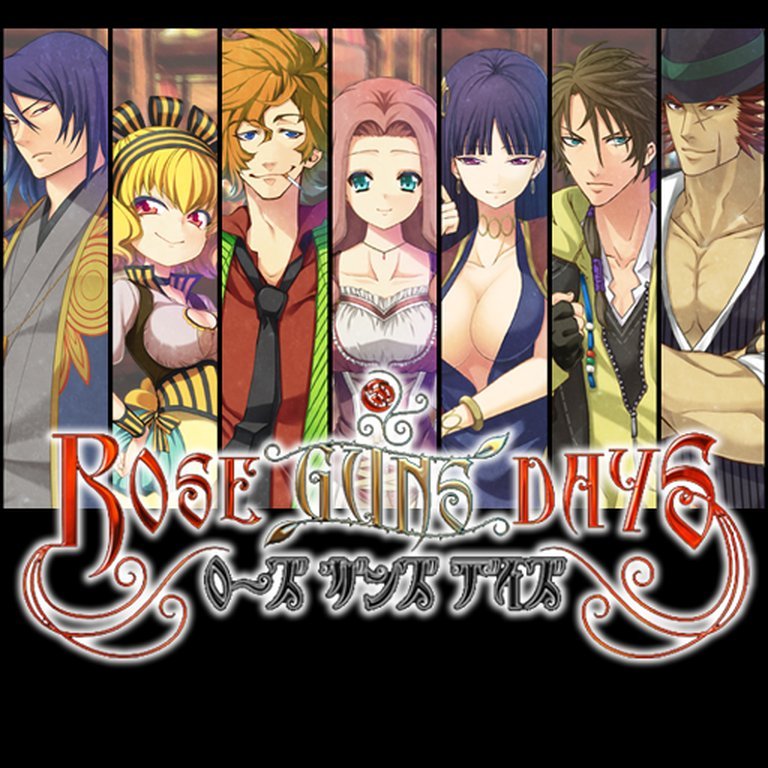
Rose Guns Days: Season 1 is a visual novel set in an alternate timeline post-World War II Japan, where the nation surrenders early due to a catastrophic natural disaster and is subsequently divided into Chinese and American occupation zones. With immigrants flooding the country, the Japanese become a minority, sparking underground resistance movements. The story follows protagonist Leo Shishigami as he meets Rose Haibara in 1997 and becomes entangled in a conflict between rising criminal factions and occupation forces. Developed by 07th Expansion, the game blends narrative-driven visual novel elements with optional fist-fighting quick-time minigames that reward score-based progression without impacting the core storyline.
Gameplay Videos
Rose Guns Days: Season 1 Patches & Updates
Rose Guns Days: Season 1 Guides & Walkthroughs
Rose Guns Days: Season 1 Reviews & Reception
lonesgamethoughts.blogspot.com : RGD has a great premise and great opening.
Rose Guns Days: Season 1 – A Fractured Empire Reborn in Shadows
Introduction
In the pantheon of visual novels, Rose Guns Days: Season 1 stands as a bold deviation from 07th Expansion’s signature horror roots. Released in 2012, this gritty alternate-history crime saga transports players to a Japan shattered by World War II, where occupation and cultural erosion have birthed a shadow war for sovereignty. While Ryukishi07’s When They Cry series reveled in supernatural mystery, Rose Guns Days grafts his knack for tense character drama onto a politically charged narrative about survival, identity, and rebellion. This review argues that Season 1 is a flawed but fascinating experiment—a mafia epic that interrogates nationalism through the lens of bullet-riddled spectacle, even as its mechanical simplicity limits broader appeal.
Development History & Context
The Vision of 07th Expansion
Following the success of Umineko no Naku Koro ni, Ryukishi07 pivoted from Gothic mystery to grounded historical fiction with Rose Guns Days. Developed as a four-part dōjin (indie) project, the game marked 07th Expansion’s first foray into action-suspense, blending post-war noir with Ryukishi’s trademark labyrinthine plotting. Distributed via Comiket, the studio leveraged its grassroots fanbase to offset modest production values, relying on narrative depth over technical polish.
Technological Constraints
Built using the NScripter engine, Season 1 bears the hallmarks of early-2010s dōjin soft: static sprites, minimalist UI, and backgrounds spliced from altered real-world photographs. The lack of animated cutscenes or voice acting (outside key moments) forced the writing to shoulder immersion—a challenge Ryukishi07 met with dense world-building and morally gray characters.
The 2012 Visual Novel Landscape
Released amid a boom in genre-defining VNs like Steins;Gate and Fate/stay night, Rose Guns Days stood out by eschewing fantasy for political realism. Its alternate-history premise—a Japan bisected by Sino-American occupation—tapped into post-2008 anxieties about globalization and cultural erosion, resonating with a Japanese audience grappling with demographic decline.
Narrative & Thematic Deep Dive
The Plot: A Nation Divided
Set in 1947, Season 1 reimagines Japan’s WWII surrender after a catastrophic earthquake in 1944. The resulting occupation fractures the nation into Chinese and American zones, reducing native Japanese to second-class citizens. Players follow Leo Shishigami, a cynical drifter, and Rose Haibara, the idealistic madam of Club Primavera, as they battle rival gangs and occupation forces to reclaim agency for their people. The story escalates from street-level skirmishes to a clash of ideologies, with Rose’s underground loan network becoming a lifeline for displaced citizens.
Characters as Ideological Vessels
- Rose Haibara: Initially a pacifist, her transformation into a reluctant crime lord mirrors Japan’s struggle to reconcile tradition with brute-force pragmatism.
- Leo Shishigami: A war veteran turned enforcer, Leo embodies the cost of compromise, his loyalty to Rose clashing with his disdain for systemic corruption.
- Caleb Keireiji: The season’s standout antagonist—a nationalist insurgent whose violent methods critique the toxicity of blind patriotism.
Themes: Identity and Sacrifice
Rose Guns Days dissects nationalism through its characters’ conflicting motives. Rose’s belief in community-building contrasts with Caleb’s extremist vigilantism, while recurring motifs—like the scarcity of soy sauce, a symbol of fading culture—underscore the human cost of occupation. The narrative’s bleakest twist lies in its suggestion that rebellion often perpetuates the cycles it seeks to break.
Gameplay Mechanics & Systems
Visual Novel Foundations
As a kinetic novel, Season 1 offers minimal branching paths, prioritizing a linear, cinema-like experience. Dialogue choices are sparse, mostly affecting minor scene order rather than plot outcomes.
Combat Minigames: A Double-Edged Sword
The game’s only interactivity comes through quick-time event brawls, where players time button presses to execute attacks or blocks. While these fistfights add kinetic flair, their simplicity and disconnect from narrative consequences render them superficial—a half-hearted attempt to gamify the experience. Fortunately, an “auto-battle” option lets players skip them entirely.
Pacing and UI
The text-heavy progression demands patience, with early chapters dedicating excessive runtime to reinforcing the setting’s oppression (“Japan has changed” becomes a tiresome refrain). Yet the UI’s clean design—featuring easy saves and log reviews—softens the burden for readers.
World-Building, Art & Sound
Aesthetic Grit
Season 1’s art direction juxtaposes anime-style sprites against photorealistic backdrops of dilapidated streets and neon-lit clubs, evoking a tangible sense of place. Character designs, split among four artists, vary in quality—Rose’s elegant demeanor clashes with Leo’s generic “tough guy” aesthetic—but the overall package sells the era’s grime and glamour.
Soundtrack as Atmosphere
The OST, composed by Luck Ganriki and others, oscillates between smoky jazz melodies and tense battle themes. The opening track Ai wa Omerta—a mournful ballad about silence and loyalty—perfectly encapsulates the story’s ethos. However, the lack of voice acting outside key scenes diminishes emotional payoff during climaxes.
Reception & Legacy
Critical Response
Upon release, Season 1 earned praise for its ambitious narrative and complex characters but faced criticism for uneven pacing and undercooked gameplay. Fan translations spread its reputation globally, culminating in MangaGamer’s 2024 localization announcement.
Cultural Impact
Though overshadowed by When They Cry, Rose Guns Days influenced later VNs like Tokyo Necro by proving alternate history’s viability in the genre. Its manga adaptations (12 volumes) and staged theatrical productions further cemented its cult status.
Conclusion
Rose Guns Days: Season 1 is a paradox—a narrative triumph shackled by dated design. Ryukishi07’s incisive exploration of occupation and identity remains disturbingly relevant, elevated by Rose and Caleb’s Shakespearean arcs. Yet its lack of player agency and repetitive combat mechanics limit its appeal beyond visual novel enthusiasts. For those willing to endure its rough edges, however, Season 1 offers a poignant, pulse-pounding reflection on what it costs to rebuild a broken nation—one bloodstained yen at a time.
Final Verdict: A flawed gem for story devotees, but a hard sell for gameplay-centric audiences. Essential reading for students of dystopian fiction.