
- Release Year: 2017
- Platforms: iPhone, Nintendo Switch, PlayStation 3, PlayStation 4, PlayStation 5, PS Vita, Windows Apps, Windows, Xbox One, Xbox Series
- Publisher: Red Dahlia
- Developer: Warfare Studios
- Genre: Role-playing (RPG)
- Perspective: Diagonal-down
- Gameplay: Japanese-style RPG (JRPG)
- Setting: Fantasy
- Average Score: 60/100
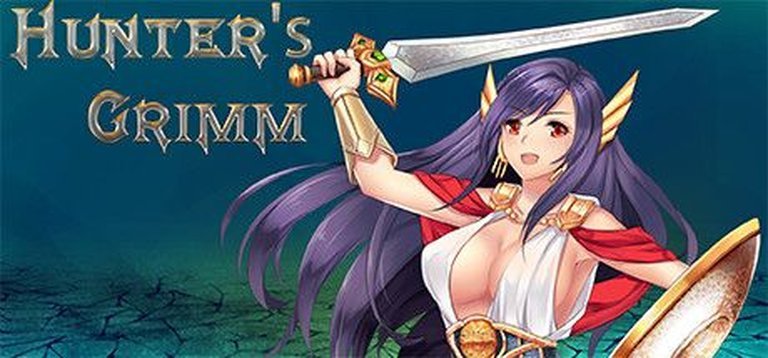
Description
Hunter’s Grimm is a 2D scrolling Japanese-style RPG set in a fantasy world where players take on the roles of demon-hunters Nicholas and Sarai Grimm. The game follows the siblings as they navigate a spooky adventure, hunting down ghosts, monsters, and demons for a price. Their simple life takes a dramatic turn when a favor to a friend leads them down a path of danger and mystery, forcing them to unravel a conspiracy and become the ultimate monster hunters.
Gameplay Videos
Hunter’s Grimm Mods
Hunter’s Grimm Guides & Walkthroughs
Hunter’s Grimm: A Fractured Fairy Tale of Ambition and Excess
Introduction
In an era saturated with indie RPGs, Hunter’s Grimm (2017) stands as a curious relic—a game both unassuming and audacious. Developed by Warfare Studios using RPG Maker, this $0.55 Steam oddity promised a spooky tale of sibling demon hunters but became infamous for its 695 achievements, a contentious design choice that overshadowed its narrative ambitions. This review argues that Hunter’s Grimm is a case study in mismatched priorities: a game caught between heartfelt JRPG aspirations and a cynical grasp at Steam’s achievement-hunting culture.
Development History & Context
A Studio in the Shadows
Warfare Studios, the developer behind Hunter’s Grimm, operates in the nebulous realm of RPG Maker projects—a tool known for democratizing game creation but often constrained by its cookie-cutter systems. Released in 2017, the game arrived during the tail end of Steam Greenlight, a platform notorious for flooding the market with low-effort titles. Hunter’s Grimm straddled this line, offering a 10-hour adventure while leaning heavily on RPG Maker’s prebuilt assets and turn-based combat frameworks.
The RPG Maker Ceiling
RPG Maker’s limitations shaped Hunter’s Grimm’s DNA: 2D diagonal-down perspective, tiled environments, and a reliance on stock UI elements. While the engine allowed Warfare Studios to craft a functional JRPG, it also shackled the game to expectations of mediocrity. In a landscape where titles like Omori later redefined RPG Maker’s potential, Hunter’s Grimm’s lack of mechanical innovation relegated it to obscurity.
Narrative & Thematic Deep Dive
A Monster-Hunting Duo Adrift
The story follows siblings Nicholas and Sarai Grimm—mercenary demon hunters whose lives unravel after a “selfless act” brands them as outlaws. The premise teeters between charmingly clichéd and frustratingly underdeveloped:
– Characters: The siblings’ dynamic oscillates between banter over “frosty chocolate milkshakes” and wooden exposition. Their rivalry with an unnamed antagonist feels cribbed from JRPG tropes.
– Themes: The game gestures at moral ambiguity—asking whether monster hunters can escape becoming monsters themselves—but lacks the narrative depth to explore this meaningfully.
Missed Opportunities
The promise of “discovering new lands” and aiding townsfolk rings hollow. Quest design rarely ventures beyond fetch tasks, and the script’s attempts at humor (e.g., rewarding players with “boring old research books”) fall flat.
Gameplay Mechanics & Systems
By-the-Numbers JRPG Design
- Combat: Turn-based battles are RPG Maker standard, with elemental weaknesses and skill trees. No strategic depth emerges, as battles are often trivialized by overpowered abilities.
- Progression: Skills and equipment follow linear upgrades, offering little player agency.
- UI/UX: Cluttered menus and sluggish responsiveness highlight the engine’s limitations.
The Achievement Debacle
Hunter’s Grimm’s defining “feature” is its 695 achievements—a blatant bid for completionist engagement. Players noted that many unlock automatically after idling for hours, undermining any sense of accomplishment. Steam forums erupted with criticism, labeling it a “cheap tactic” to inflate playtime.
World-Building, Art & Sound
A Patchwork Aesthetic
- Visuals: The game’s 2D sprites and environments are functional but uninspired. Towns blend into one another, and monster designs lack originality.
- Sound: Music and effects are forgettable, leaning on RPG Maker’s stock library. The absence of voice acting amplifies the reliance on text-heavy dialogue.
Atmosphere Lost
While the premise suggests a “spooky adventure,” the execution lacks tension. Haunted locales feel sterile, and the pixel art fails to evoke dread or wonder.
Reception & Legacy
A Quiet Launch, A Louder Backlash
- Critical Silence: No major publications reviewed Hunter’s Grimm. User reviews on Steam and Steambase paint a mixed picture (60/100), praising its earnestness but lambasting its achievement spam.
- Cultural Impact: The game serves as a cautionary tale about Steam’s achievement economy. Its 695 achievements became a meme among players, symbolizing the platform’s exploitative underbelly.
Influence on the Indie Scene
While Hunter’s Grimm itself faded into obscurity, its missteps highlighted the risks of prioritizing quantity over quality—a lesson heeded by later indie RPGs.
Conclusion
Hunter’s Grimm is a game at war with itself. Its earnest JRPG foundations are buried beneath a landslide of superfluous achievements and underbaked design. While Warfare Studios clearly aimed to create a charming monster-hunting romp, the result is a fractured experience—one remembered more for its Steam stats than its storytelling. For collectors of gaming curios, it remains a fascinating artifact. For everyone else, it’s a fleeting distraction best left in the crypt of forgotten indies.
Final Verdict: A well-intentioned but fatally flawed RPG, Hunter’s Grimm earns its place in history as a footnote—a reminder that even the most whimsical tales need substance to survive.