
- Release Year: 2006
- Platforms: Windows
- Publisher: Comport Interactive
- Developer: X-Pressive.com
- Genre: Strategy, Tactics
- Perspective: 1st-person
- Game Mode: Co-op, LAN
- Gameplay: Board game, Point-and-select, Turn-based strategy
- Average Score: 60/100
Description
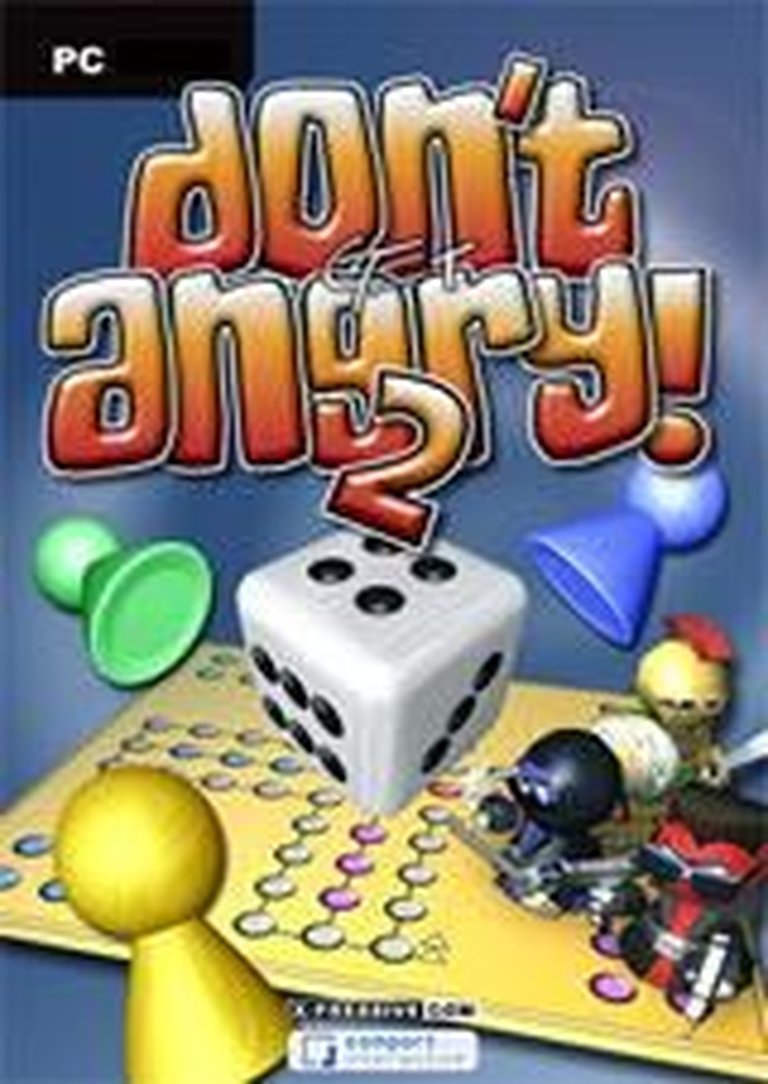
Don’t Get Angry! 2 is a digital adaptation of the classic board game concept, where 2-4 players race to move their four pieces from start to finish. Players roll dice to navigate the board while strategically knocking opponents back home, enhanced by comedic power-ups like Valium traps and flatulence attacks. The game offers extensive customization with three 3D backgrounds, over 20 board designs, four board shapes (including circular variants), and quirky playable pieces ranging from ninjas to stockbrokers, supporting both AI and local multiplayer.
Don’t Get Angry! 2 Free Download
Don’t Get Angry! 2 Cracks & Fixes
Don’t Get Angry! 2 Reviews & Reception
mobygames.com (65/100): Don’t Get Angry! 2 is similar to Sorry! Players need to get their 4 pieces from their home to their finish location.
vgtimes.com (55/100): Don’t Get Angry! 2 is a strategy game with an isometric view from the developers from the X-Pressive.com studio.
Don’t Get Angry! 2: Review
In the realm of digital board games, few titles have managed to capture the essence of classic tabletop experiences while adding a unique twist. Don’t Get Angry! 2, released in 2006, stands as a testament to this blend of tradition and innovation. Developed by X-Pressive.com and published by Comport Interactive, this game offers a fresh take on the classic Sorry! board game, infused with modern technology and a dash of humor. This review will delve into the game’s development history, narrative depth, gameplay mechanics, world-building, reception, and legacy, providing a comprehensive analysis of its place in video game history.
Development History & Context
The Studio and Creators’ Vision
X-Pressive.com, the studio behind Don’t Get Angry! 2, was a relatively small developer known for its quirky and innovative approach to game design. The team, led by Mike Dogan, aimed to create a game that would appeal to both casual and hardcore gamers. Dogan, who handled programming, graphics, sound effects, and even the conceptual design, had a clear vision: to modernize the classic board game experience with a humorous and unpredictable twist.
Technological Constraints and Gaming Landscape
Released in 2006, Don’t Get Angry! 2 emerged during a time when digital board games were still finding their footing. The gaming landscape was dominated by console and PC games, with a growing interest in online multiplayer experiences. The game was developed for Windows, leveraging the capabilities of the era’s hardware to deliver a 3D isometric view, which was relatively novel for board games at the time.
The technological constraints of the era meant that the game had to be optimized for a wide range of PCs, ensuring that it could run smoothly on both high-end and mid-range systems. This focus on accessibility was a key factor in the game’s design, making it appealing to a broad audience.
Narrative & Thematic Deep Dive
Plot and Characters
Don’t Get Angry! 2 does not have a traditional narrative. Instead, it focuses on the core mechanics of the Sorry! board game, where players move their pieces from their home to the finish location. The game’s humor and unpredictability come from the various power-ups and obstacles scattered across the board.
The characters in the game are represented by different pieces, such as Grandmothers, Ninjas, or Stockbrokers. These pieces add a layer of personality to the game, allowing players to choose their avatar based on their preferred playstyle or sense of humor.
Dialogue and Themes
The dialogue in Don’t Get Angry! 2 is minimal but effective. The voice-over crew, consisting of both German and English speakers, adds a touch of authenticity and humor to the game. The themes revolve around competition, strategy, and light-hearted fun. The game encourages players to outsmart their opponents through clever use of power-ups and strategic moves, all while maintaining a playful atmosphere.
Gameplay Mechanics & Systems
Core Gameplay Loops
The core gameplay loop of Don’t Get Angry! 2 is straightforward yet engaging. Players roll a dice to move their pieces around the board, trying to knock their opponents back to the start while avoiding being knocked back themselves. The game’s twist comes from the optional springs and random boxes that can appear on the board, adding an element of unpredictability.
Combat and Character Progression
Combat in Don’t Get Angry! 2 is turn-based and revolves around knocking opponents’ pieces back to the start. The game does not feature traditional character progression, but players can unlock different board layouts, backgrounds, and piece types as they progress, adding a sense of achievement and customization.
User Interface
The user interface is intuitive and easy to navigate. The 3D isometric view provides a clear overview of the board, and the point-and-select interface makes it simple to manage turns and interactions. The UI is designed to be accessible, ensuring that players of all skill levels can enjoy the game without a steep learning curve.
Innovative and Flawed Systems
One of the game’s innovative features is the use of random boxes that can have positive or negative effects. These boxes add a layer of strategy and unpredictability, keeping the gameplay fresh and exciting. However, the game’s reliance on randomness can sometimes feel unfair, especially when a player is on the verge of winning but gets knocked back by a random event.
World-Building, Art & Sound
Setting and Atmosphere
The setting of Don’t Get Angry! 2 is a digital representation of a classic board game, enhanced with 3D graphics and various backgrounds. The game’s atmosphere is light-hearted and humorous, with a focus on fun and competition. The different board layouts and backgrounds add variety to the gameplay, ensuring that each session feels fresh.
Visual Direction
The visual direction of the game is clean and modern, with a 3D isometric view that provides a clear and engaging perspective. The game’s graphics are colorful and vibrant, with detailed piece designs that add to the overall aesthetic. The visual style is consistent throughout, creating a cohesive and immersive experience.
Sound Design
The sound design of Don’t Get Angry! 2 is effective in enhancing the gameplay experience. The sound effects are crisp and clear, providing feedback for various actions and events. The voice-over work adds a touch of humor and authenticity, with both German and English speakers contributing to the game’s charm. The background music is upbeat and energetic, complementing the game’s playful atmosphere.
Reception & Legacy
Critical and Commercial Reception
Upon its release, Don’t Get Angry! 2 received mixed reviews from critics. The game was praised for its humor, customization options, and innovative features, but criticized for its reliance on randomness and lack of depth. Critics noted that the game was a fun and engaging experience, but it lacked the strategic depth of more traditional board games.
Commercially, the game performed modestly. It was not a massive hit, but it found a dedicated fanbase among casual gamers and board game enthusiasts. The game’s unique blend of classic and modern elements resonated with players, ensuring its place in the gaming community.
Influence on Subsequent Games and the Industry
Don’t Get Angry! 2 did not have a significant impact on the industry as a whole, but it did influence the development of digital board games. Its use of 3D graphics, random events, and customization options became common features in subsequent board games, paving the way for more innovative and engaging experiences.
The game’s legacy lies in its ability to blend tradition and innovation, creating a unique and enjoyable experience for players. Its influence can be seen in modern digital board games, which continue to push the boundaries of what is possible in the genre.
Conclusion
Don’t Get Angry! 2 is a testament to the power of blending classic and modern elements in game design. Its unique twist on the Sorry! board game, combined with its humor and unpredictability, makes it a standout title in the digital board game genre. While it may not have revolutionized the industry, it has left a lasting impact on the development of digital board games, paving the way for more innovative and engaging experiences.
In conclusion, Don’t Get Angry! 2 is a fun and engaging game that offers a fresh take on a classic board game. Its blend of tradition and innovation, combined with its humor and unpredictability, makes it a worthy addition to any gamer’s collection. Whether you are a casual gamer or a board game enthusiast, Don’t Get Angry! 2 is sure to provide hours of entertainment and enjoyment.