
- Release Year: 2024
- Platforms: Nintendo Switch, Windows
- Publisher: Daedalic Entertainment GmbH
- Developer: Tiny Roar UG
- Genre: Adventure
- Perspective: Diagonal-down
- Game Mode: Single-player
- Gameplay: Meditative, Puzzle elements, Roguelike, Zen
- Setting: Fantasy
- Average Score: 78/100
Description
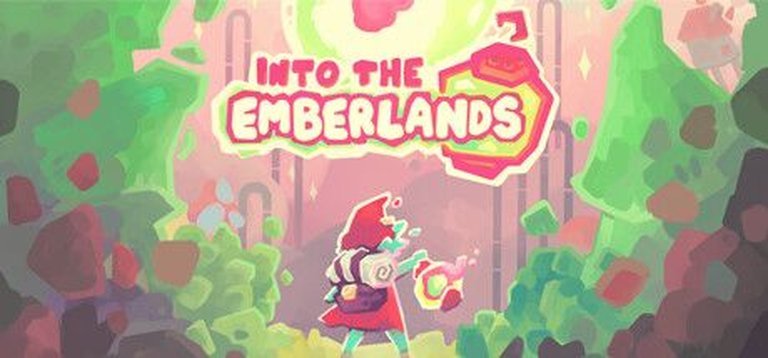
Into the Emberlands is a meditative adventure game set in a fantasy world where players explore, gather resources, and rebuild a charming town. With a focus on puzzle-solving and roguelike elements, the game offers a relaxing yet challenging experience. Developed by Tiny Roar UG and published by Daedalic Entertainment GmbH, it was released on Windows in June 2024 and on Nintendo Switch in 2025.
Gameplay Videos
Where to Buy Into the Emberlands
Into the Emberlands Guides & Walkthroughs
Into the Emberlands Reviews & Reception
metacritic.com (85/100): Into the Emberlands is a delightful exploration-based game that sees you gathering resources and rebuilding a cute yet ramshackle town.
metacritic.com (80/100): Into the Emberlands is a cozy little adventure in the beautiful world full of charming creatures.
metacritic.com (70/100): A cosy roguelike game about managing your resources as you explore the wilderness, Into the Emberlands is wholesome and moreish.
rogueliker.com : I found Into the Emberlands to be a charming little roguelite that is good for blowing off steam in short bursts.
steamdeckhq.com : Even though the game does lack some polish, it is still very enjoyable and relaxing, given what it offers.
indiegamesdevel.com : Into the Emberlands is a fascinating and engaging adventure that wins players’ hearts with its cozy atmosphere.
Into the Emberlands: Review
Introduction
In a gaming landscape dominated by high-octane action and sprawling RPGs, Into the Emberlands emerges as a tranquil yet compelling anomaly. Developed by indie studio Tiny Roar and published by Daedalic Entertainment, this 2024 release blends cozy exploration with roguelite tension, offering a meditative experience that has resonated with critics and players alike. At its core, Into the Emberlands is a game about hope and renewal: as the Lightbearer, you navigate a world choked by the Miasma, a darkness threatening to consume all life. This review argues that while the game’s simplicity may deter some, its serene atmosphere, clever resource management, and procedural world-building cement its status as a standout indie gem.
Development History & Context
Studio Vision & Evolution
Tiny Roar, a Hamburg-based studio founded in 2015, envisioned Into the Emberlands as a departure from their earlier titles like Bomb Bots Arena and Xel. Originally conceived as Wanderful, the project evolved through open development practices, incorporating player feedback to refine its core loop. The team aimed to create a “non-violent roguelite” that prioritized exploration and community-building over combat—a risky move in a genre often defined by punishing mechanics.
Technological & Industry Landscape
Launched in an era dominated by live-service games, Into the Emberlands leveraged the rising popularity of “cozy” titles like Stardew Valley and A Short Hike. Built in Unity with 2D diagonal-down visuals, the game’s modest technical demands ensured accessibility, even on handheld devices like the Steam Deck. Its June 2024 Early Access release on Steam allowed Tiny Roar to iterate based on player critiques, addressing bugs and expanding content ahead of its 2025 Nintendo Switch launch.
Narrative & Thematic Deep Dive
Plot & Characters
The game’s narrative revolves around the Knacks—peaceful, anthropomorphic creatures whose world has been engulfed by the Miasma. As the Lightbearer, you wield an ember-fueled lantern to carve paths through the darkness, rescuing lost Knacks and rebuilding their village. While the story is minimalist, dialogue snippets from NPCs like the sardonic Elder and the paranoid Guard inject humor and personality.
Themes: Light vs. Darkness
Into the Emberlands explores themes of perseverance and unity. The Miasma symbolizes existential decay, while the act of rebuilding the village mirrors collective resilience. Notably, the game avoids moral binaries; even shady characters like Petalogistan’s “sketchy scientists” offer aid, underscoring the complexity of survival.
Gameplay Mechanics & Systems
Core Loop & Strategy
The gameplay hinges on resource attrition: each step outside the village drains your lantern’s ember, forcing careful route planning. Procedurally generated biomes—like the flower-drenched Petalogistan and the perilous Enderlands—offer unique resources and challenges. Salvaging materials allows you to construct buildings, which unlock upgrades (e.g., expanded ember capacity) for subsequent runs.
Roguelite Elements & Progression
Death resets your inventory but preserves village progress, striking a balance between stakes and accessibility. However, the lack of combat divides players. As critic Laura Rosada noted, the “grid-based movement feels stiff,” and the absence of enemies may leave some craving deeper conflict.
UI & Controls
The minimalist UI emphasizes clarity, though font size concerns persist on smaller screens. While point-and-click movement suits PC, the Switch port’s joystick controls reportedly feel less intuitive.
World-Building, Art & Sound
Visual Design
The game’s cartoonish art style bursts with color, contrasting the Miasma’s oppressive gloom. Each biome—from meadows to crystalline caves—is meticulously crafted, with environmental storytelling hinting at the world’s history. Characters exude charm, particularly the Knacks, whose animations evoke Studio Ghibli-esque whimsy.
Soundtrack & Atmosphere
A serene, ambient score punctuates exploration, while dynamic audio cues signal nearby secrets or dangers. The absence of voice acting reinforces the meditative tone, though some players lament the repetitive nature of certain tracks.
Reception & Legacy
Critical Response
Reviews praise the game’s “cozy yet challenging” ethos (MKAU Gaming: 90/100) and “wholesome vibes” (Female-Gamers.nl: 88/100). However, outlets like Gamer’s Palace (75/100) critiqued its “lack of late-game variety,” and Nindie Spotlight docked points for “grinding” in the Switch version.
Commercial Impact & Influence
With a 7.6 MobyScore and 83% average critic rating, Into the Emberlands found a niche audience, selling modestly but steadily. Its success has inspired indie developers to explore non-violent roguelites, evidenced by upcoming titles like Lou’s Lagoon (also by Tiny Roar).
Conclusion
Into the Emberlands is a testament to the power of restraint. By eschewing combat for contemplation, Tiny Roar has crafted a game that feels both familiar and revolutionary. Its repetitive loops and limited customization hinder perfection, but its heart—a glowing lantern in the dark—shines brightly. For players seeking respite from chaos, Into the Emberlands is not just a game but a sanctuary. In the annals of indie history, it will be remembered as a quiet pioneer, proving that even the smallest flame can illuminate vast worlds.
Final Verdict: 8/10 – A serene, flawed masterpiece for the cozy gaming renaissance.