
- Release Year: 2014
- Platforms: Android, iPad, iPhone, Linux, Macintosh, Windows Phone, Windows
- Publisher: Tortuga Team Ltd.
- Developer: Tortuga Team Ltd.
- Genre: Role-playing (RPG), Strategy, Tactics
- Perspective: Diagonal-down
- Game Mode: Single-player
- Gameplay: Equipment Management, Hero progression, Hexagonal battlefield, Spell casting, Turn-based combat
- Setting: Fantasy
- Average Score: 81/100
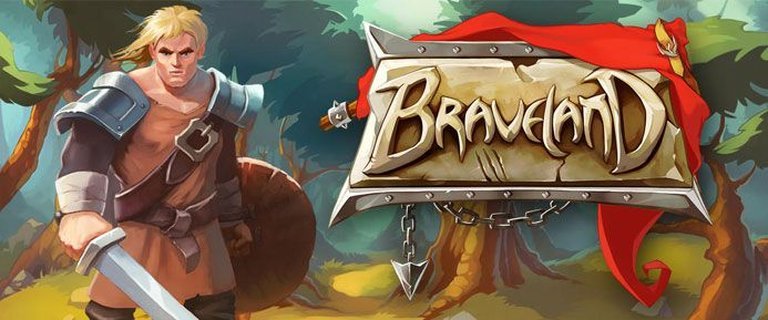
Description
Braveland is a turn-based tactical RPG where players take on the role of a warrior’s son seeking revenge after bandits destroy his village. Set in a fantasy world with hex-based combat inspired by King’s Bounty, players command troops across strategic battlefields while uncovering a larger conspiracy. The hero grows stronger through leadership upgrades, equipment, and spellcasting via a rage mechanic, exploring a fog-of-war style map filled with enemies, allies, and secrets.
Gameplay Videos
Where to Buy Braveland
Braveland Free Download
Braveland Cracks & Fixes
Braveland Patches & Updates
Braveland Mods
Braveland Guides & Walkthroughs
Braveland Reviews & Reception
metacritic.com (80/100): From Braveland’s appearance you may think that it’s targeted at kids. But its playful aesthetic hides a experience that will appeal to all turn-based strategy fans.
Braveland: Review
In the crowded landscape of turn-based strategy games, few titles manage to capture the essence of classic gameplay while adding a fresh twist. Braveland, developed by Tortuga Team, stands out as a testament to the enduring appeal of old-school strategy, wrapped in a charming and accessible package. This review delves into the intricate details of Braveland, examining its development history, narrative depth, gameplay mechanics, world-building, and lasting impact on the gaming community.
Introduction
Braveland is more than just a nostalgia trip; it is a meticulously crafted homage to the turn-based strategy genre, blending the best elements of classic games like King’s Bounty and Heroes of Might and Magic with modern design sensibilities. The game’s legacy lies in its ability to appeal to both veteran strategists and newcomers, offering a rich and engaging experience that transcends the boundaries of traditional strategy gaming. This review argues that Braveland’s success is rooted in its commitment to core gameplay principles, coupled with a whimsical and inviting presentation that sets it apart from its contemporaries.
Development History & Context
The Studio
Tortuga Team, a Russian indie studio, is the creative force behind Braveland. Founded by a group of passionate developers, Tortuga Team has consistently delivered high-quality games that pay tribute to classic genres while introducing innovative elements. The studio’s vision for Braveland was clear from the outset: to create a game that captured the spirit of old-school strategy titles but with a modern twist.
The Creators’ Vision
The creators of Braveland aimed to recapture the essence of turn-based strategy games from the 90s, a time when the genre was characterized by straightforward mechanics and deep strategic depth. Anton Mikhailov, the game designer, and Dmitriy Pyalov, the lead programmer, worked tirelessly to ensure that Braveland’s gameplay mechanics were both accessible and challenging. The game’s art style, handled by Ekaterina Gerasimova, was designed to be visually appealing and nostalgic, evoking the pixel-art aesthetics of classic strategy games.
Technological Constraints and Gaming Landscape
Released in 2014, Braveland entered a gaming landscape dominated by complex, open-world games and fast-paced action titles. The technological constraints of the era allowed Tortuga Team to focus on creating a game that was both visually appealing and mechanically sound. The use of the Unity engine and Firebase middleware enabled the developers to create a game that ran smoothly on a variety of platforms, from mobile devices to PCs.
Narrative & Thematic Deep Dive
Plot
Braveland’s narrative is a classic tale of revenge and redemption. The story begins with a young warrior’s son whose village is raided by bandits. Driven by a desire for vengeance, the protagonist embarks on a journey to uncover the truth behind the attack and bring the culprits to justice. The plot is divided into three chapters, each set in a unique corner of the game’s fantasy world.
Characters
The protagonist, a humble warrior’s son, is the heart of Braveland’s narrative. His journey from a grieving survivor to a skilled commander is the driving force behind the game’s story. Along the way, players encounter a diverse cast of characters, each with their own unique backstories and motivations. From archers and healers to footmen and arbalesters, the game’s roster of units adds depth to the narrative, making each battle feel like a personal struggle.
Dialogue and Themes
The dialogue in Braveland is concise and impactful, often revealing key pieces of information or setting the stage for upcoming challenges. The game’s themes revolve around revenge, redemption, and the power of leadership. The protagonist’s journey is one of self-discovery, as he learns to harness his inner strength and lead his army to victory. The game’s whimsical art style and light-hearted tone contrast with its darker themes, creating a unique and engaging narrative experience.
Gameplay Mechanics & Systems
Core Gameplay Loops
Braveland’s core gameplay loop revolves around exploration, combat, and character progression. Players navigate a hexagonal battlefield, moving their units and engaging in turn-based combat. The game’s mechanics are simple yet effective, allowing players to focus on strategy rather than being bogged down by complexity.
Combat
Combat in Braveland is turn-based and tactical, requiring players to leverage terrain, position tactics, and unit abilities effectively. Each unit type has its unique strengths and weaknesses, encouraging players to construct balanced armies. The hero, while not participating in combat directly, can cast spells to support his troops, adding an extra layer of strategy to the battles.
Character Progression
Character progression in Braveland is straightforward and rewarding. Players earn experience points by winning battles, which can be spent on upgrading units and abilities. The hero can also equip various artifacts and learn battle magic, further enhancing his capabilities. This progression system ensures that players are constantly improving their army, making each battle a unique and challenging experience.
UI and Innovative Systems
Braveland’s user interface is clean and intuitive, providing players with all the necessary information without overwhelming them. The game’s innovative systems, such as the rage counter for spell casting and the extensive magic system, add depth to the gameplay without compromising accessibility.
World-Building, Art & Sound
Setting and Atmosphere
Braveland’s setting is a whimsical, fairy-tale-like world filled with vibrant landscapes and intriguing characters. The game’s hand-drawn art style, characterized by bright colors and cartoonish shapes, creates a joyful visual experience. The atmosphere is further enhanced by the game’s soundtrack, which evokes the tonalities of retro adventure games.
Visual Direction
The visual direction of Braveland is a key contributor to its overall experience. The game’s art style is consistent and charming, with each character and environment meticulously crafted to evoke a sense of nostalgia. The use of hand-drawn illustrations adds a personal touch to the game, making it stand out in a sea of digitally rendered titles.
Sound Design
The sound design in Braveland is equally impressive, with a soundtrack that perfectly complements the game’s visual style. The music is upbeat and adventurous, providing a fitting backdrop to the game’s whimsical setting. The sound effects are crisp and impactful, enhancing the immersion during combat sequences.
Reception & Legacy
Critical and Commercial Reception
Upon its release, Braveland received positive feedback from both critics and players. The game’s nostalgia factor resonated strongly with fans of classic strategy games, while its simplicity and charm attracted a new audience. Critics praised the game’s accessible mechanics and charming presentation, noting that it successfully captured the essence of old-school strategy titles.
Influence on Subsequent Games
Braveland’s influence can be seen in subsequent games that have attempted to recapture the spirit of classic turn-based strategy titles. The game’s success demonstrated that there was still a market for straightforward, mechanically sound strategy games, inspiring other developers to explore similar themes and mechanics.
Community and Reception
The indie gaming community has praised Braveland for its focus on strategic gameplay rather than pay-to-win mechanics. The developers engaged with their audience through various platforms, fostering a community where players could share strategies, tips, and personal experiences. This interaction helped maintain a loyal player base while inviting newcomers into the fold.
Conclusion
Braveland is a shining example of how a game can successfully blend classic mechanics with modern design sensibilities. Its commitment to core gameplay principles, coupled with a whimsical and inviting presentation, sets it apart from its contemporaries. The game’s narrative depth, engaging combat, and charming world-building create a rich and immersive experience that appeals to both veteran strategists and newcomers. Braveland’s legacy lies in its ability to capture the essence of old-school strategy gaming while introducing innovative elements that keep the genre fresh and exciting. As the gaming industry continues to evolve, Braveland stands as a testament to the enduring appeal of turn-based strategy and a reminder of where it all began.