
- Release Year: 2024
- Platforms: PlayStation 5, Windows Apps, Windows, Xbox Series
- Publisher: Square Enix Co., Ltd., Square Enix Limited
- Developer: Square Enix
- Genre: Compilation
- Perspective: Third-person
- Game Mode: Single-player
- Gameplay: Action combat, Customizable combat, Mod support
- Setting: Fantasy
- Average Score: 89/100
Description
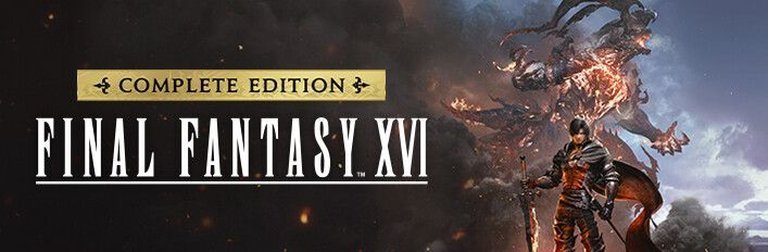
Final Fantasy XVI: Complete Edition is an action role-playing game set in the medieval-inspired world of Valisthea, where political strife and magical Eikons shape the fate of nations. Players follow Clive Rosfield, a warrior seeking vengeance in a quest intertwined with alliances, betrayals, and the power of primordial beings. This definitive edition includes the base game and DLC expansions—Echoes of the Fallen and The Rising Tide—offering enhanced performance on PC, mod support, and a richly narrative-driven experience with real-time combat.
Gameplay Videos
Final Fantasy XVI: Complete Edition Free Download
Final Fantasy XVI: Complete Edition Cracks & Fixes
Final Fantasy XVI: Complete Edition Patches & Updates
Final Fantasy XVI: Complete Edition Mods
Final Fantasy XVI: Complete Edition Reviews & Reception
cgmagonline.com (80/100): Final Fantasy XVI Complete Edition not only collects all the available downloadable content made available for the game but also does so in a package that far exceeds what is possible on PlayStation 5.
pcgamer.com : Perhaps a bit too divergent from the Final Fantasy formula, but rich characters and spectacular combat still make it an impressive sequel.
metacritic.com (87/100): Final Fantasy XVI is an excellent game in every way. If you’re a fan of the series for the stories and characters, you won’t go wrong here, and if you’ve avoided the series for, say, turn-based combat, the sixteenth installment offers the perfect opportunity to get started with this legend of the gaming industry.
gamingtrend.com (100/100): The game was received very well by players and critics alike, with our very own David Flynn scoring the game at a solid 100 in his review.
rockpapershotgun.com : Final Fantasy 16 isn’t the longest Final Fantasy I’ve ever played, but it feels that way, for a multitude of reasons.
Final Fantasy XVI: Complete Edition – A Crown of Flames Forged in Ambition
Introduction: Reinventing Legacy Through Fire and Fury
The Final Fantasy series has long stood as a pillar of JRPG innovation, from its operatic storytelling to its genre-defining gameplay. Final Fantasy XVI: Complete Edition—released September 17, 2024—represents both a seismic shift and a homecoming: a ruthless embrace of dark fantasy and action-RPG mechanics, tempered by the franchise’s trademark grandeur. Developed by Square Enix’s Creative Business Unit III (CBU3), the team behind Final Fantasy XIV’s renaissance, this entry shatters crystals and conventions alike. Building on the base game (2023) and its expansions—Echoes of the Fallen (2023) and The Rising Tide (2024)—this edition consolidates a vision both exhilarating and fraught with compromise. My thesis: XVI is a flawed masterpiece—a visceral reinvention that soars in spectacle but stumbles in sustaining depth, cementing its place as a controversial yet essential evolution for the franchise.
Development History & Context: A Vision Forged in Adversity
Studio and Visionaries
CBU3, led by producer Naoki Yoshida (FFXIV’s savior) and director Hiroshi Takai (The Last Remnant), sought to redefine Final Fantasy for a post-Witcher 3 world. Yoshida’s mandate was clear: craft a “dark fantasy epic” with mass appeal, stripping away anime tropes for a mature, Game of Thrones-inspired narrative. Drawing Capcom veteran Ryota Suzuki (Devil May Cry 5) as combat designer signaled a hard pivot from turn-based roots to character-action intensity—a gamble to attract broader audiences.
Technological and Pandemic Constraints
Originally conceived in 2015, full production began in 2016 after FFXIV: Heavensward. The COVID-19 pandemic delayed development by six months, straining remote collaboration and outsourcing. PlayStation 5 optimization prioritized visual fidelity (native 4K/30FPS or 1440p/60FPS Performance Mode) but necessitated scrapping PS4 plans. A one-disc release (down from two) reduced costs but led to asset streaming hiccups, later patched.
2023 Gaming Landscape
Arriving amid a golden age of action RPGs (Elden Ring, Genshin Impact), XVI faced skepticism from traditionalists. Square Enix’s own Forspoken had flopped months prior, heightening pressure. The Eikon-focused marketing evoked God of War’s scale, while MMO influences (FFXIV’s Active Time Lore system) aimed to ground Valisthea’s lore without overwhelming players.
Narrative & Thematic Deep Dive: A Saga of Sacrifice and Systemic Oppression
Plot and Character Arcs
Set in the divided continents of Ash and Storm, XVI follows Clive Rosfield—disgraced heir to Rosaria’s throne—as he navigates a world where Dominants (humans channeling god-like Eikons) are both worshipped and weaponized. The core story spans three periods:
– Youth: Clive’s failure to inherit the Phoenix’s power, his brother Joshua’s death, and his enslavement by the Holy Empire set a revenge-driven foundation.
– Adolescence: Teaming with outlaw Cidolfus Telamon (Dominant of Ramuh), Clive destroys Mothercrystals to halt the Blight—a magical decay devouring Valisthea.
– Adulthood: Clive’s transformation into “Mythos,” a vessel for the ancient being Ultima, culminates in a cosmic battle for free will versus predestination.
DLC Expansions
– Echoes of the Fallen explores the pre-Calamity Fallen civilization through Omega Weapon boss fights in the Sagespire, enriching Valisthea’s backstory.
– The Rising Tide resolves Leviathan’s absence, adding the Mysidia region and deepening themes of cultural persecution (the Motes of Water tribe).
Themes and Execution
XVI grapples with cyclical violence, slavery (the magically gifted “Bearers” are persecuted chattel), and the cost of power. Clive’s arc—from vengeance to collective liberation—echoes FFVII’s environmentalism and FF Tactics’ political intrigue. Yet criticisms linger: female characters (Jill, Benedikta) often lack agency, and Ultima’s nihilistic final-act monologues undercut earlier nuance. MobyGames critics note uneven pacing—side quests drip-fed lore but falter in motivation (“fetch quests padded between Eikon spectacles,” per CGMagazine).
Gameplay Mechanics & Systems: A Symphonic Clash of Innovations and Limitations
Core Combat Loop
Suzuki’s real-time action system is XVI’s crowning achievement. Clive chains swordplay, magic bursts (△), and equippable Eikonic abilities (○, □) across three swappable Eikons (e.g., Phoenix’s aerial lashes, Titan’s seismic blocks). Precision dodges (R1) and “Stagger” mechanics (depleting enemy Will Gauges for burst phases) evoke FFVII Remake’s hybrid vigor but demand reflexes over strategy.
RPG Systems Critique
– Progression: Skill trees feel underdeveloped—upgrades (e.g., +10% damage) lack transformative impact.
– Gear: Simplistic weapon/armor tiers (Iron Sword → Flametongue) pale next to FFXII’s gambits or FFV’s job depth.
– AI Companions: Torgal (Clive’s wolf) and rotating allies (Jill, Cid) offer minimal tactical input, a far cry from FFXV’s camaraderie.
Innovations
– Arcade Mode: Score-attack replayability with leaderboards elevates combo experimentation.
– Accessibility: “Timely Accessories” (auto-dodge, slow-mo) welcome action-game newcomers but risk trivializing combat.
DLC Additions
The Rising Tide’s Chronolith Trials (Eikon-specific gauntlets) and Leviathan’s fluid combos add fresh combat wrinkles, addressing base-game monotony.
World-Building, Art & Sound: A Grim Tapestry of Light and Shadow
Valisthea’s Design
Art director Hiroshi Minagawa (FF Tactics) and illustrator Kazuya Takahashi craft a world where medieval brutalism collides with crystalline grandeur. Sanbreque’s Gothic spires and Waloed’s rain-lashed fjords evoke Berserk’s bleak beauty, while particle-dense Eikon battles (e.g., Titan vs. Bahamut’s orbital duel) redefine spectacle. Yet the lack of true open worlds—segmented zones replace FFXV’s road trips—limits exploratory freedom.
Soundscape
Masayoshi Soken’s score masterfully juggles leitmotifs:
– Choral Latin hymns for Sanbreque’s theocracy.
– Pulsing synths in Eikon clashes.
– The bittersweet ballad “Away” (sung by FFXIV’s Susan Calloway) during Jill’s confession of love.
Eurogamer praised the sound design’s “bone-crunching impact,” though some found the victory fanfare’s Greek vocals jarring.
Reception & Legacy: Triumph Amid Turbulence
Critical Response
MobyGames’ 88% (4 reviews) captures the consensus: GamingTrend’s 100% lauded XVI’s “optimized PC port and mod potential,” while Operation Rainfall critiqued uneven pacing. PS5 Metacritic settled at 87/100 (149 reviews)—praised for storytelling, visuals, and combat but chided for lackluster RPG systems and side content. Controversies flared: writer Kazutoyo Maehiro defended the homogenous medieval European cast, while some players lamented shallow loot.
Commercial Impact and Influence
3 million copies sold in launch week (double FFVII Remake’s debut) underperformed against Square Enix’s expectations, blamed partly on PS5’s smaller install base. However, the Complete Edition’s Steam release (2024), bolstered by Ultrawide support and DLSS 3, reignited sales. XVI’s legacy is twofold:
– Industry Impact: Its action focus paved the way for FFVII Rebirth’s hybrid combat.
– Franchise Evolution: Proved Final Fantasy could thrive outside turn-based norms, albeit polarizing purists.
Conclusion: A Phoenix Imperfect, Yet Unmissable
Final Fantasy XVI: Complete Edition is a paradox—a game of breathtaking highs and curious compromises. Its combat thrills, narrative ambition, and Soken’s score solidify its must-play status, while undercooked RPG mechanics and repetitive quests mar its brilliance. For newcomers, this edition is definitive; for veterans, a contentious but vital chapter in Final Fantasy’s saga. In the pantheon of numbered entries, XVI stands as a flawed phoenix—scorched by ambition, yet radiant in the ashes.
Verdict: ★★★★☆ (4/5) – A landmark action-RPG that dares to redefine Final Fantasy, haunted by unrealized potential.