
- Release Year: 2020
- Platforms: Nintendo Switch, PlayStation 4, Windows, Xbox One
- Publisher: 2Awesome Studio VOF, Eastasiasoft Limited
- Developer: EZ Software Development
- Genre: Puzzle
- Perspective: Top-down
- Game Mode: Single-player
- Gameplay: Tile matching puzzle
- Average Score: 80/100
Description
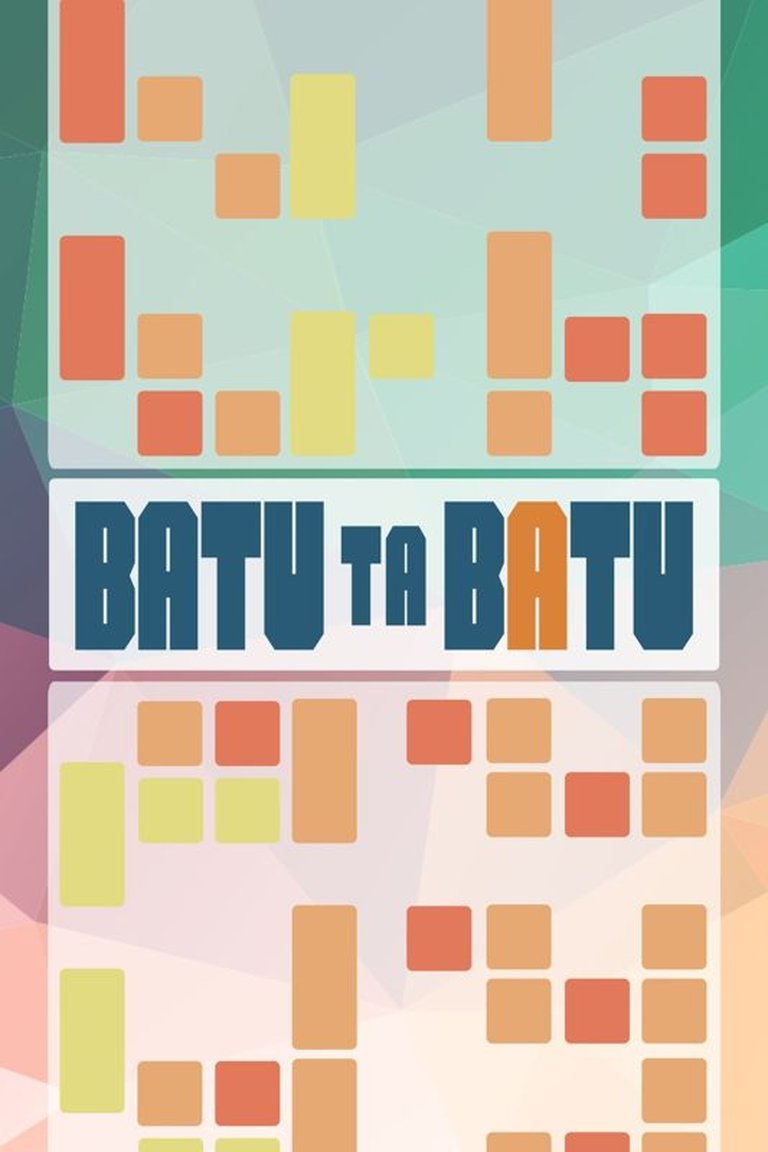
‘Batu Ta Batu’ is a vibrant tile-matching puzzle game where players slide and combine colored tiles across diverse modes. Set against themes of art, history, and nature, the game challenges players to strategize across hundreds of levels or endless scenarios, featuring both solo play and competitive multiplayer action for up to four participants. With its intuitive mechanics and varied challenges, it blends fast-paced gameplay with colorful aesthetics.
Gameplay Videos
Where to Buy Batu Ta Batu
PC
Batu Ta Batu Guides & Walkthroughs
Batu Ta Batu Reviews & Reception
opencritic.com : Batu Ta Batu on Xbox has got me fired up for more games with delightfully addictive mechanics.
metacritic.com (80/100): We need more puzzle games. Batu Ta Batu on Xbox has got me fired up for more games with delightfully addictive mechanics. Though the multiplayer feels out of place, and the additional game modes are ho-hum, the endless mode is so good that it’s reason enough to give the game a go.
higherplaingames.com : It does what it does very well and will keep you amused long enough with its huge variety of modes to play.
Batu Ta Batu: Review
In the crowded landscape of puzzle games, Batu Ta Batu stands out as a vibrant and engaging title that offers a unique twist on the classic tile-matching genre. Developed by EZ Software Development and published by 2Awesome Studio VOF and Eastasiasoft Limited, Batu Ta Batu was released on September 2, 2020, across multiple platforms including Xbox One, PlayStation 4, Windows, and Nintendo Switch. This game, which translates to “join and join” in Basque, promises a colorful and challenging experience that caters to both solo players and multiplayer enthusiasts. This review will delve into the game’s development history, narrative themes, gameplay mechanics, world-building, reception, and legacy, providing a comprehensive analysis of its place in video game history.
Development History & Context
The Studio and Creators’ Vision
Batu Ta Batu is the brainchild of Erik Zubiria Madina, who served as the sole developer, handling code, art, and music. This one-person studio approach allowed for a highly personal and cohesive vision, ensuring that every aspect of the game aligns with Madina’s creative direction. The decision to use the Unity engine provided a robust foundation for developing a visually appealing and technically sound puzzle game.
Technological Constraints and Gaming Landscape
Released in 2020, Batu Ta Batu benefited from the advancements in gaming technology and the growing popularity of indie games. The Unity engine, known for its versatility and ease of use, enabled Madina to create a game that could run smoothly on various platforms. The puzzle genre, while saturated, was ripe for innovation, and Batu Ta Batu aimed to carve out its niche by offering a fresh take on tile-matching mechanics.
The gaming landscape in 2020 was characterized by a surge in indie development, with platforms like Steam, Nintendo eShop, and PlayStation Store providing accessible distribution channels. This environment was conducive to the success of niche titles like Batu Ta Batu, which could reach a global audience without the need for extensive marketing budgets.
Narrative & Thematic Deep Dive
Plot and Characters
Batu Ta Batu does not feature a traditional narrative with a plot or characters. Instead, it focuses on the core mechanics of tile-matching and strategic gameplay. The absence of a story allows the game to concentrate on its puzzle-solving elements, making it accessible to a wide range of players who enjoy pure gameplay without the distractions of a complex narrative.
Dialogue and Themes
Since the game lacks dialogue and characters, the thematic depth is conveyed through its visual and auditory design. The game’s title, “join and join,” reflects the core mechanic of combining tiles, emphasizing the importance of strategy and planning. The themes of unity and connection are subtly woven into the gameplay, encouraging players to think critically and creatively to achieve high scores and complete levels.
Gameplay Mechanics & Systems
Core Gameplay Loops
Batu Ta Batu revolves around a simple yet engaging core mechanic: sliding and combining tiles of the same color to reach higher levels of complexity. The game offers ten different game modes, each providing unique challenges and objectives. The Endless mode is particularly noteworthy, as it places players in an ever-increasing grid of colors, surrounded by pools of those colors on the edges. The goal is to merge tiles in the center into the edge pools of the same color, scoring points based on the size of the merged blocks.
Combat and Character Progression
There is no combat in Batu Ta Batu, as it is purely a puzzle game. Character progression is replaced by skill development, as players learn to optimize their tile-matching strategies to maximize scores and complete levels efficiently. The game’s difficulty ramps up gradually, ensuring that players are continually challenged and engaged.
User Interface
The user interface in Batu Ta Batu is intuitive and straightforward, with clear visual indicators for tile selection and movement. The controls, while initially alien to some players, become second nature with practice. The use of controller buttons and triggers for tile and pool shifting adds a layer of complexity that enhances the strategic depth of the game.
Innovative and Flawed Systems
One of the innovative aspects of Batu Ta Batu is its unique control scheme, which requires players to use a combination of the left stick and directional buttons to move tiles. This control method, while unconventional, adds a layer of challenge and immersion. However, some players may find the controls clunky at first, requiring a learning curve to master.
The game’s multiplayer mode, which supports up to four players in split-screen, is another standout feature. It allows for both cooperative and competitive play, adding replayability and social engagement. However, the multiplayer experience can be marred by the complexity of the controls, which may lead to frustration among less experienced players.
World-Building, Art & Sound
Setting and Atmosphere
Batu Ta Batu transports players into a vibrant and colorful world inspired by Latin art and nature. The game’s visual direction is minimalist yet striking, with a focus on clean lines and bold colors. The atmosphere is contemplative and engaging, with a sense of progression and challenge that keeps players invested.
Visual Direction
The game’s art style is a blend of modern and traditional elements, with a Latin flair that sets it apart from other puzzle games. The use of bright colors and geometric shapes creates a visually appealing environment that is both pleasing to the eye and functional for gameplay.
Sound Design
The sound design in Batu Ta Batu is equally impressive, with original indie music that complements the game’s visual style. The audio cues, such as the satisfying sound of tiles merging, provide immediate feedback to the player, enhancing the overall gaming experience. The music ranges from contemplative to wild, matching the varying intensity of the game modes.
Reception & Legacy
Critical and Commercial Reception
Batu Ta Batu received mixed reviews upon its release, with critics praising its unique mechanics and visual style while noting its steep learning curve and control issues. The game’s average critic score was 72%, with reviews highlighting its potential for puzzle enthusiasts but cautioning about its accessibility.
Commercially, Batu Ta Batu performed moderately well, particularly on the Nintendo Switch, where it was praised for its variety of modes and color palettes. The game’s low price point and high replayability made it an attractive option for casual and hardcore puzzle fans alike.
Influence on Subsequent Games and the Industry
While Batu Ta Batu may not have revolutionized the puzzle genre, it contributed to the growing trend of indie games that prioritize unique mechanics and visual styles. Its success on multiple platforms demonstrated the viability of niche titles in a crowded market, encouraging other developers to experiment with innovative gameplay concepts.
The game’s legacy lies in its ability to carve out a dedicated fanbase, despite its initial criticisms. Its influence can be seen in subsequent puzzle games that emphasize strategic depth and visual appeal, proving that there is still room for innovation in a well-established genre.
Conclusion
Batu Ta Batu is a testament to the power of indie development, offering a unique and engaging puzzle experience that stands out in a crowded market. Its strengths lie in its innovative mechanics, vibrant visual style, and strategic depth, while its weaknesses include a steep learning curve and control issues. Despite these challenges, the game has carved out a niche for itself, appealing to puzzle enthusiasts and casual gamers alike.
In the grand tapestry of video game history, Batu Ta Batu holds a place as a notable example of how a small, independent studio can create a compelling and memorable gaming experience. Its legacy serves as an inspiration for future developers, proving that innovation and creativity can thrive in the ever-evolving world of video games. Whether you are a seasoned puzzle veteran or a newcomer to the genre, Batu Ta Batu offers a challenging and rewarding experience that is well worth exploring.