
- Release Year: 2019
- Platforms: Windows
- Publisher: Screaming Void
- Developer: Screaming Void
- Genre: Adventure
- Perspective: 1st-person
- Game Mode: Single-player
- Gameplay: Graphic adventure, Puzzle elements
- Setting: Horror
- Average Score: 70/100
Description
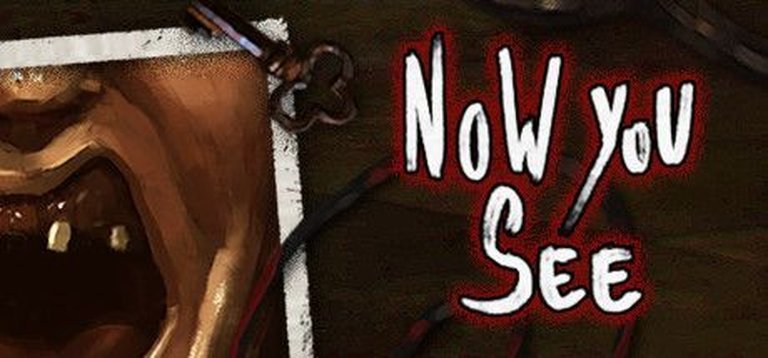
Now You See is a first-person horror graphic adventure game developed and published by Screaming Void, released in 2019 for Windows. Set in an unsettling atmosphere, players navigate through eerie environments using a point-and-select interface, solving puzzles and uncovering dark secrets. The game blends psychological tension with exploration, immersing players in a narrative-driven experience filled with suspense and mystery.
Gameplay Videos
Where to Buy Now You See
PC
Now You See Guides & Walkthroughs
Now You See Reviews & Reception
howlongtobeat.com (70/100): Great experience, would recommend even at full price!
Now You See: Review
Introduction
In the dead of night, a thunderstorm drives you to seek shelter in a foreboding farmhouse — the premise of Now You See, a 2019 indie horror-adventure by Screaming Void. Marketed as a visceral, atmospheric descent into madness, the game promises “story, puzzles, and gore” in equal measure. Yet, its legacy remains a curious anomaly: a low-budget passion project that polarized players with its unflinching grotesquery and old-school design sensibilities. This review posits that Now You See is a flawed but fascinating artifact — a game that claws its way into your psyche through sheer audacity, even as its technical limitations threaten to undermine its ambitions.
Development History & Context
Studio & Vision
Screaming Void, a then-unknown indie developer, positioned Now You See as a homage to classic graphic adventures. In a 2021 interview snippet buried in MobyGames’ trivia, the team cited inspirations like Phantasmagoria and Sanitarium, aiming to revive the tactile puzzle-solving and narrative density of the 1990s while leveraging modern first-person immersion.
Technological Constraints
Built in Unity, the game’s hybrid 2D/3D engine reflects its budgetary limitations. Environments are static slideshows with painted backdrops, while character models use rudimentary 3D rigging. The studio leaned into these constraints, opting for hand-drawn, blood-smeared art to heighten the grim aesthetic — a choice that simultaneously amplified its cult appeal and drew criticism for dated presentation.
2019 Gaming Landscape
Released alongside AAA horror titles like Resident Evil 2 (2019), Now You See stood out for its uncompromising indie spirit. It arrived during a resurgence of narrative-driven horrors (Devotion, Amnesia: Rebirth) but distinguished itself through grotesque interactivity, leaning into the “puzzle horror” niche once inhabited by titles like I Have No Mouth and I Must Scream.
Narrative & Thematic Deep Dive
Plot & Structure
The game follows an unnamed protagonist trapped in a derelict house after seeking refuge from a storm. Following a grotesque encounter with a sink-dwelling entity (dubbed “The Butcher” in fan lore), players awaken in a blood-soaked cell, beginning a nonlinear escape through interconnected rooms. The narrative unfolds through fragmented notes, environmental storytelling, and nightmares linked to the house’s history of ritualistic sacrifice.
Characters & Dialogue
– The Butcher: A silent, hulking antagonist who drags victims into freezers, serving as a recurring threat during key sequences.
– “Mummy”: A spectral matriarch encountered in the attic, revealed through journal entries to have orchestrated sacrifices to prolong her family’s life.
– Elijah: The primary antagonist, a deformed “child” whose obsession with rebirth rituals culminates in a body-horror finale.
Themes
Now You See explores cycles of trauma, bodily autonomy, and the corruption of innocence. The house functions as a character itself — a decaying womb where walls bleed, mannequins whisper, and every puzzle solution requires visceral acts (e.g., severing a frozen hand, implanting a stolen face). The game’s most striking theme is entrapment: mechanically through locked rooms, narratively through Elijah’s refusal to accept death, and metaphorically via the protagonist’s mounting complicity in violence.
Gameplay Mechanics & Systems
Core Loop & Puzzles
The game adheres to a classic adventure template:
1. Exploration: Scour rooms for interactable objects (e.g., wallpaper seams, loose bricks).
2. Inventory Puzzles: Combine items in increasingly macabre ways (e.g., thawing a severed hand to retrieve gloves, using pliers to extract batteries from a corpse).
3. Threat Avoidance: Hide in closets during The Butcher’s patrols — a tense but underutilized mechanic.
Innovations & Flaws
– Symbol-Based Deduction: Players decipher codes using in-world clues (e.g., adjusting a hairbrush’s dials based on chalkboard equations) — a highlight of the design.
– Doll Collectibles: 9 hidden dolls reward thorough exploration, unlocking lore about Elijah’s victims.
– Pain Points:
– Obtuse Solutions: Some puzzles demand irrational logic (e.g., using a hacksaw on a freezer handle).
– Inventory Clunk: Limited carry capacity and unintuitive combinables frustrate pacing.
– Save System: Manual saves are sparse, punishing trial-and-error.
UI/UX
The point-and-click interface feels archaic, with sluggish cursor movement and unclear hotspots. The first-person perspective, while immersive, often obscures critical items (e.g., dolls tucked behind paintings).
World-Building, Art & Sound
Setting & Atmosphere
The house is a masterpiece of decay: peeling wallpaper, rusted fixtures, and floors warped by time. Each area layers dread uniquely:
– Red Room: Claustrophobic cell with stained mattresses and cryptic graffiti.
– Duct Maze: A rusted, rat-infested labyrinth evoking Silent Hill 4’s otherworldly spaces.
– Basement Ritual Chamber: Final arena adorned with candlelit effigies and blood canals.
Visual Direction
Screaming Void’s hand-painted 2D backdrops blend grimy realism with surreal flourishes (e.g., walls that “pulse” upon closer inspection). While character models lack polish, the grotesque art style — think Francis Bacon meets Junji Ito — redeems the aesthetic.
Sound Design
– Ambience: Dripping pipes, distant thunder, and creaking floorboards create relentless unease.
– Voice Acting: Distorted whispers from dolls and entities unsettle, though The Butcher’s guttural growls verge on camp.
– Score: A minimalist industrial drone crescendos during chase sequences, though silence dominates — a wise choice for emphasizing environmental terror.
Reception & Legacy
Critical & Commercial Reception
MobyGames logs a 2.0/5 user average based on 2 ratings, reflecting polarizing word-of-mouth. Critics praised its atmosphere but lambasted its puzzles:
– Adventure Gamers noted: “Now You See commits to its nightmare logic, but players may find themselves stuck in purgatory longer than the game’s antagonists.”
– The Walkthrough King’s guide underscores its divisiveness: “A love letter to adventure veterans, but a brick wall for newcomers.”
Despite a $4.99 launch price, sales were modest, with SteamCharts peaking at 83 concurrent players.
Legacy & Influence
Now You See remains a cult curio, cited in indie horror discourse for:
– Its bold, unapologetic grotesquery influencing later titles like Iron Lung (2022).
– Reviving interest in “body horror puzzles” (e.g., Organ Quarter).
However, its lack of polish and niche appeal prevented broader impact. The game’s sole legacy is as a cautionary tale — and a dark mirror — for indie developers balancing ambition with execution.
Conclusion
Now You See is a paradox: a game that stumbles mechanically yet lingers in memory through sheer audacity. Its grimy art, suffocating atmosphere, and willingness to confront players with visceral taboos (self-mutilation, implied cannibalism) make it a singular — if flawed — experience. While its obtuse puzzles and clunky interface deter casual players, patient horror enthusiasts will find a grimly compelling narrative about cycles of violence and the fragility of the flesh. In video game history, Now You See is a footnote — but one written in blood, demanding to be seen.
Verdict: A jagged gem for horror completists, best approached with a walkthrough and a strong stomach.