
- Release Year: 2018
- Platforms: Macintosh, Windows
- Publisher: GB Patch Games
- Developer: GB Patch Games
- Genre: Adventure, Horror, Visual novel
- Perspective: 3rd-person
- Game Mode: Single-player
- Gameplay: Visual novel
- Setting: Horror
- Average Score: 95/100
Description
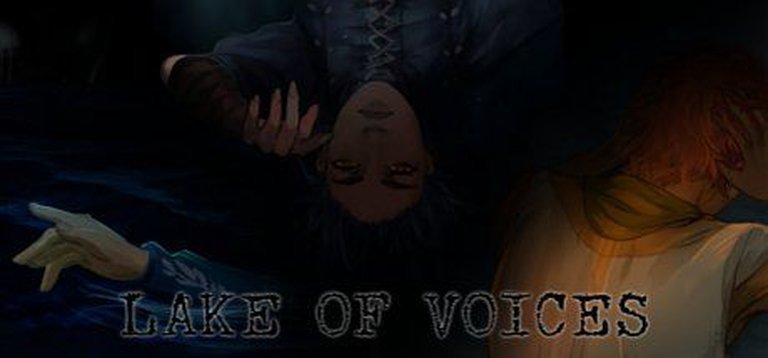
Lake of Voices is a horror-themed visual novel by GB Patch Games, set around the treacherous Lake Sinnlos where monstrous ‘Nixi’ lurk beneath the surface. Players assume the role of Kikka, who must navigate a fragile, maze-like bridge that appears only at night, alongside companions including Bemelle and the enigmatic Guide. With time-sensitive choices and branching paths, the game forces players to make grim sacrifices, as not everyone can survive the journey. The atmospheric narrative blends tension, moral dilemmas, and eerie visuals, emphasizing the high stakes of a two-day crossing where every decision shapes the outcome.
Gameplay Videos
Where to Buy Lake of Voices
Lake of Voices Patches & Updates
Lake of Voices Guides & Walkthroughs
Lake of Voices Reviews & Reception
blerdyotome.com : A haunting choice‑driven horror where even perfect decisions can’t save everyone.
Lake of Voices: Review
Introduction: A Descent into Moral Horrors
In the annals of indie visual novels, few titles dare to interrogate the cost of survival as ruthlessly as Lake of Voices. Released in 2018 by GB Patch Games, this horror-driven narrative forces players to reckon with an immutable truth: “Anyone can be saved, but not everyone can be.” Set against the backdrop of a cursed lake populated by monstrous Nixi, the game transcends its freeware origins to deliver a masterclass in tension, character-driven drama, and thematic depth. This review argues that Lake of Voices stands as a landmark achievement in interactive storytelling, elevating the visual novel medium through its uncompromising exploration of sacrifice, human frailty, and the illusion of control.
Development History & Context
GB Patch Games: Crafting Horror from Humble Roots
Developed by the indie studio GB Patch Games, Lake of Voices emerged during a renaissance for narrative-driven indie titles. The studio, known for earlier romance-focused visual novels like A Foretold Affair and My Magical Divorce Bureau, pivoted to horror with this project, citing a desire to explore “dire times” where idealism clashes with grim reality. Built using the Ren’Py engine, the game leveraged the toolkit’s accessibility while pushing its limits with full English voice acting—a rarity for freeware projects.
A Landscape of Constraints and Ambition
Released in an era dominated by AAA action titles, Lake of Voices carved a niche by embracing its limitations. With a core team of fewer than 10 contributors and funded via Kickstarter backers, the project prioritized narrative density over scale. Its development was marked by intentional design choices:
– Budgetary Constraints: The team relied on freelance artists (e.g., rgbvscb for character designs) and a haunting piano-based soundtrack by composer Sebastian.
– Narrative Ambition: Writer Cara Hillstock sought to subvert visual novel tropes by ensuring no “safe” routes existed—death was inevitable, and catharsis was scarce.
Released on Steam and itch.io in August 2018, the game defied expectations, offering a polished experience that rivaled commercial peers.
Narrative & Thematic Deep Dive
Plot and Structure: A Bridge Between Life and Death
Players assume the role of Kikka, a stoic guard tasked with crossing Sinnlos—a lake haunted by Nixi, shape-shifting creatures that drown travelers. Accompanied by her idealistic comrade Bemelle, the enigmatic Guide, and fellow travelers Margret and Lu, Kikka’s journey evolves into a psychological gauntlet. The two-night trek across shifting bridges forces players to make timed choices that determine who survives, who betrays, and who is consumed by the lake’s darkness.
Characters: Flaws as Armor
- Kikka: A protagonist defined by guarded empathy. Her voice acting (Elissa Park) deliberately eschews melodrama, mirroring her emotional armor.
- The Guide (Brendan Blaber): A manipulative figure whose true allegiance—and nature—unravels across routes. His calm demeanor masks tragic pragmatism.
- Lu (Phil Avalos): A pessimist concealing vulnerability; his route reveals the Nixi’s tragic origins.
- Margret (Elsie Lovelock): An intellectual whose optimism masks desperation, offering the game’s sole F/F romance path.
Thematically, the game dissects moral compromise. Each character’s survival often requires sacrificing another, reflecting writer Rainbow Heart Unicorn’s assertion that “no perfect solution exists in dire times.”
Themes: The Weight of Choice
- Sacrifice vs. Self-Preservation: The game rejects binary morality. Saving Lu, for instance, may doom the group but unveils the Nixi’s ecological plight.
- Deception and Trust: The Guide’s revelation as a Nixi—and the lake’s role as a dying ecosystem—forces players to question who is truly monstrous.
- The Illusion of Control: Multiple playthroughs reveal that even “optimal” choices yield tragedies, echoing the Nixi’s own scripted predation to maintain balance.
Gameplay Mechanics & Systems
Core Loop: Ticking Clocks and Unforgiving Consequences
Lake of Voices innovates within the visual novel framework through:
– Timed Choices: Players have seconds to act (or refrain), simulating real-life urgency. A late-game choice to “grab Lu’s hand” or “let go” exemplifies how hesitation alters fates.
– Branching Narrative: Over 88,000 words spawn endings where Kikka can die, forge romances, or uncover Sinnlos’ secrets. Relationship points subtly influence dialogue but avoid simplistic “affection meters.”
– Unlockable Content: Bonus scenes (e.g., a surreal romantic stroll with a Nixi) reward exploration while recontextualizing lore.
Flaws: The Cost of Ambition
The game’s relentless pacing occasionally undermines character development. Lu’s backstory, for example, requires specific paths to resonate, and Kikka’s voice acting—though intentionally reserved—can feel detached during emotional peaks.
World-Building, Art & Sound
Sinnlos: A Character in Itself
The lake’s labyrinthine bridges and fog-drenched vistas (crafted by Ines Toczyska) evoke Gothic melancholy. Backgrounds blend watercolor textures with oppressive shadows, while the Nixi’s glowing eyes pierce the darkness—a minimalist yet effective horror motif.
Sound Design: A Symphony of Dread
Sebastian’s piano-driven score oscillates between melancholic motifs (e.g., Margret’s theme) and dissonant strings during encounters. Voice acting heightens immersion, particularly Lu’s raspy desperation and the Guide’s silkily manipulative tone.
Reception & Legacy
Critical and Community Response
Upon release, Lake of Voices garnered Overwhelmingly Positive Steam reviews (95% of 610+ reviews), praised for its “emotional gut-punches” (Blerdy Otome) and “haunting atmosphere” (Metaphors and Moonlight). Critics lauded its defiance of visual novel conventions, though some noted accessibility gaps for blind players.
Influence on the Genre
The game’s legacy lies in its narrative bravery. It inspired indie developers to embrace permadeath mechanics and moral ambiguity, influencing titles like The House in Fata Morgana and Slay the Princess. Its freeware success also demonstrated that small teams could achieve critical acclaim without corporate backing.
Conclusion: An Unflinching Mirror to Human Nature
Lake of Voices is not merely a game—it is an existential trial. Its brilliance stems from forcing players to confront the impossibility of purity in survival scenarios, all while crafting characters whose deaths resonate like elegiac poetry. GB Patch Games’ opus redefines horror not through jump scares, but through the lingering ache of choices made in darkness. In video game history, Lake of Voices will endure as a testament to indie ingenuity and the power of stories that refuse to offer easy answers.
Final Verdict: A masterpiece of interactive horror, essential for scholars of narrative design and players seeking stories that stain the soul.