
- Release Year: 2016
- Platforms: Linux, Macintosh, Windows
- Publisher: Double Fine Productions, Inc.
- Developer: 2 Player Productions Ltd
- Genre: Special edition
- Perspective: Third-person
- Game Mode: Single-player
- Gameplay: Video watching
- Setting: Behind the scenes
Description
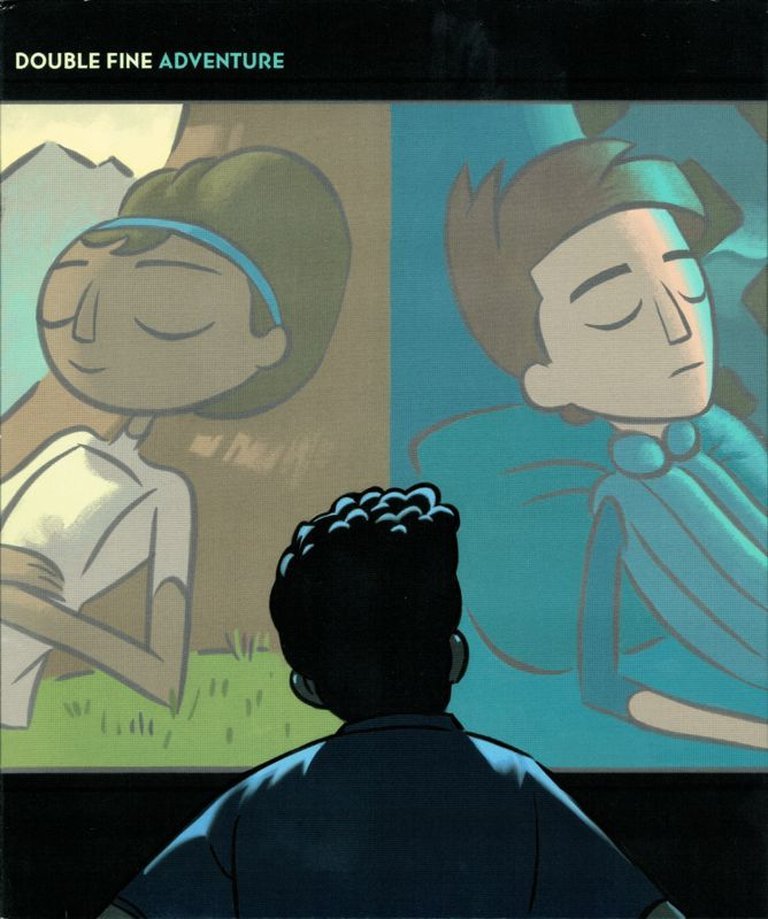
Double Fine Adventure is a unique special edition that combines the development process of a new adventure game with the final product. The game, which later became known as Broken Age, was funded through a Kickstarter campaign and documented extensively on video. This special edition includes all 20 episodes of the development documentary, commentary from both the development team and the documentary crew, and a variety of extra videos. Additionally, it features DRM-free copies of Broken Age for multiple platforms, a digital art archive, and the official soundtrack.
Gameplay Videos
Where to Buy Double Fine Adventure
PC
Double Fine Adventure Reviews & Reception
choicestgames.com : The documentary answers those questions and more.
Double Fine Adventure Cheats & Codes
PC
Access the Options menu, change resolution to 640×480, select ‘Yes’, then ‘Key Remapping’. Click the ‘?’ icon next to the two main characters and assign any button to activate the cheat during gameplay.
| Code | Effect |
|---|---|
| 8-Bit Mode Activation | Activates 8-Bit Mode during gameplay |
Double Fine Adventure: A Groundbreaking Chronicle of Game Development
Introduction
In 2012, Double Fine Adventure redefined how the world perceived video game development. What began as a Kickstarter campaign to fund a modest point-and-click adventure game evolved into a $3.45 million phenomenon and a landmark documentary series. Directed by 2 Player Productions, this 20-episode chronicle peeled back the curtain on Double Fine Productions’ creative process, revealing the triumphs, pitfalls, and existential crises of crafting Broken Age. More than a behind-the-scenes feature, Double Fine Adventure became a cultural touchstone, proving that transparency and storytelling could coexist in an industry often shrouded in secrecy.
Development History & Context
The Kickstarter Revolution
In February 2012, Tim Schafer—revered for Grim Fandango and Psychonauts—launched a Kickstarter to revive the nearly extinct adventure game genre. The initial ask of $400,000 ($300k for the game, $100k for the documentary) exploded into the platform’s most successful campaign at the time, amassing over $3.45 million from 87,000 backers. This unprecedented success signaled a seismic shift: crowdfunding could bypass traditional publishers, empowering developers to connect directly with fans.
Double Fine’s Ambition
Schafer’s vision was twofold: create a modern adventure game (Broken Age) and document its development transparently. Partnering with 2 Player Productions—known for their Minecraft documentary—the team faced immense pressure to deliver. The studio, accustomed to publisher-backed budgets, now navigated self-funded development, balancing creative freedom with backer accountability.
Technological and Creative Challenges
Double Fine opted for the open-source Moai engine, prioritizing cross-platform flexibility. However, scope creep and underestimated costs plagued production. By 2013, Schafer admitted the project was unsustainable; the game was split into two acts, with Act 1’s sales funding Act 2. This decision, while pragmatic, sparked backlash from fans expecting a single, polished release.
Narrative & Thematic Deep Dive
A Tale of Two Halves
Broken Age tells parallel stories: Vella, a girl rebelling against ritual sacrifice, and Shay, a boy trapped in a infantilizing spaceship. The documentary captures how these narratives evolved from Schafer’s notebooks into a sprawling meta-commentary on agency and societal expectations. Act 1’s critical acclaim contrasted sharply with Act 2’s divisive puzzles and rushed conclusion, mirroring the documentary’s portrayal of creative exhaustion.
Characters and Dialogue
The documentary highlights voice-acting sessions with Elijah Wood (Shay), Masasa Moyo (Vella), and Jack Black (Marek), showcasing Double Fine’s penchant for quirky, heartfelt dialogue. Yet, the team’s struggle to balance humor with emotional weight is evident—particularly in Act 2, where themes of genetic manipulation and systemic oppression felt undercooked.
Themes of Creativity and Pressure
At its core, Double Fine Adventure is a meditation on artistic labor. Episodes like “We’ll Handle It” and “Deadline for Tim” lay bare the toll of crunch, budgetary constraints, and public scrutiny. The documentary doesn’t shy from Schafer’s missteps, such as underestimating animation costs or overpromising features, making it a candid study of ambition versus reality.
Gameplay Mechanics & Systems
Documentary as Interactive Experience
While Broken Age itself employs classic point-and-click mechanics, the documentary’s structure mirrors game development’s iterative process. Episodes are divided into “Acts,” with bonus features (commentaries, deleted scenes) functioning like Easter eggs. The Blu-ray edition’s dual commentary tracks—one from Double Fine, one from 2 Player Productions—offer Rashomon-like perspectives on production hurdles.
Innovative storytelling
The series pioneered “real-time” documentary-making, releasing episodes alongside Broken Age’s development. This approach let viewers witness pivots like the Act 1/Act 2 split as they happened, fostering empathy but also frustration.
World-Building, Art & Sound
Visual Style
The documentary’s vérité cinematography contrasts with Broken Age’s painterly 2D art, designed by Nathan “Bagel” Stapley. Behind-the-scenes footage reveals how hand-drawn concepts evolved into skeletal animations, blending nostalgia with modern tech.
Sound Design and Music
Peter McConnell’s score—recorded with the Melbourne Symphony Orchestra—serves as both game soundtrack and documentary motif. The juxtaposition of orchestral swells against tense boardroom meetings underscores the project’s emotional highs and lows.
Atmosphere
From cramped offices to Schafer’s juice-cleansed brainstorming sessions, the documentary immerses viewers in Double Fine’s idiosyncratic culture. The studio’s Chinatown bar crawls (which inspired codenames like “Reds”) and “art jams” emphasize collaboration, while layoffs and deadlines inject sobering realism.
Reception & Legacy
Critical Response
The documentary itself was praised for its unflinching honesty. Critics lauded its 8.7/10 IMDb rating, calling it “the most in-depth look at game development ever produced” (Cliqist). However, Broken Age’s mixed reviews—Act 1 scored 82/100 on Metacritic, while Act 2 dipped to 73—colored its legacy.
Industry Impact
Double Fine Adventure catalyzed the Kickstarter gold rush, inspiring successors like Wasteland 2 and Pillars of Eternity. Its success proved niche genres could thrive outside publisher models, though later campaigns struggled to replicate its hype.
Cultural Legacy
The documentary remains a staple in game-design curricula, demystifying development for aspiring creators. Its influence echoes in modern transparency trends, from Hollow Knight’s dev logs to Hades’ early access updates.
Conclusion
Double Fine Adventure is a flawed masterpiece—both as a documentary and a timestamp of gaming history. It captures the beauty and chaos of creativity, offering an unfiltered lens into Double Fine’s triumphs and stumbles. While Broken Age itself may not have lived up to its lofty promises, the documentary stands as a testament to Schafer’s vision: a rallying cry for artistic autonomy and a reminder that game development is, above all, a human endeavor. For its cultural impact and raw storytelling, Double Fine Adventure earns its place as a cornerstone of gaming’s documentary canon.
Final Verdict: A must-watch for gamers and creators alike, blending humor, heartbreak, and historic significance into a definitive chronicle of modern game development.