
- Release Year: 2018
- Platforms: Android, iPad, iPhone, Linux, Macintosh, Nintendo Switch, PlayStation 4, tvOS, Windows, Xbox One
- Publisher: MP Digital, LLC, Raw Fury AB
- Developer: Long Hat House
- Genre: Action, Metroidvania
- Perspective: Side view
- Game Mode: Single-player
- Gameplay: Exploration, Gravity-defying movement, Metroidvania, Platforming
- Setting: Fantasy, Futuristic, Sci-fi
- Average Score: 73/100
Description
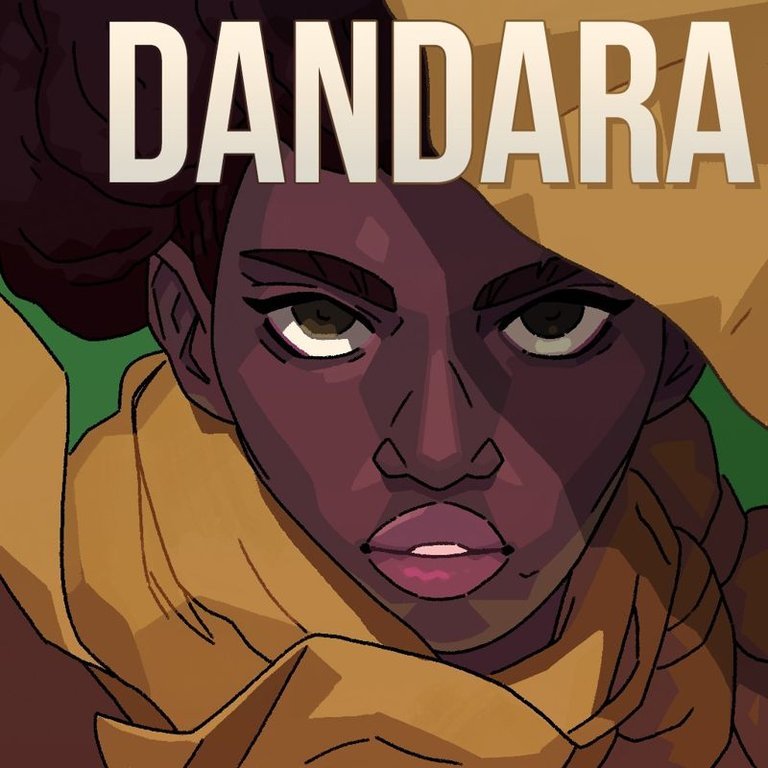
Dandara: Trials of Fear is a Metroidvania-style action-adventure game set in the surreal world of Salt, a fractured realm on the brink of collapse. Players control Dandara, a courageous warrior inspired by Afro-Brazilian history, who defies gravity by leaping between surfaces rather than walking. As she battles oppressive forces and uncovers secrets, players explore a striking pixel-art world filled with symbolic storytelling, challenging combat, and atmospheric music. The game’s innovative movement system and abstract narrative create a unique, thought-provoking experience.
Gameplay Videos
Where to Buy Dandara: Trials of Fear
Dandara: Trials of Fear Patches & Updates
Dandara: Trials of Fear Guides & Walkthroughs
Dandara: Trials of Fear Reviews & Reception
metacritic.com (73/100): Dandara is an excellent game and I can’t believe I haven’t heard people talking about it. Its unique movement is accompanied by an equally unique world, soundtrack, and symbolic story that will fascinate lore nerds.
reddit.com : It’s solid. The pixel art is amazing, the music fits pretty well, there’s a pretty big and detailed map, with a few major changes or unlocks, throughout your progression in the game.
steamcommunity.com : I absolutely adore how unique and well-polished this game is, and the updates over the years really have been an amazing gift.
tuni.fi : The world the game presents is gorgeous and nightmarish, with the environments and its details polished down to the smallest minutia.
thirdcoastreview.com : Dandara is a game unlike I’ve ever played. It’s a mix of Dark Souls and Gravity Rush all wrapped in a metroidvania tortilla.
Dandara: Trials of Fear: Review
Dandara: Trials of Fear is a game that defies conventional expectations, blending the exploration and progression of Metroidvanias with a unique movement system and a surreal, atmospheric world. Developed by Long Hat House and published by Raw Fury, Dandara stands out as a bold experiment in the Metroidvania genre, offering both innovative gameplay mechanics and a rich, if abstract, narrative. This review will delve into the game’s development history, narrative themes, gameplay mechanics, world-building, reception, and legacy, providing a comprehensive analysis of what makes Dandara a standout title in the genre.
Introduction
In an era dominated by high-budget, linear experiences, Dandara: Trials of Fear offers a refreshing departure from the norm. This Metroidvania title, developed by the Brazilian studio Long Hat House, challenges players with its unique gravity-defying movement system and a world that is as beautiful as it is enigmatic. Dandara is not just a game; it is an experience that demands patience, skill, and a willingness to explore the unknown. This review will argue that Dandara’s innovative mechanics and atmospheric world-building make it a must-play for fans of the genre, despite its flaws and steep learning curve.
Development History & Context
Long Hat House, the studio behind Dandara, is a relatively small team based in Brazil. The studio’s founders, João Brant and Lucas Mattos, sought to create a game that would stand out in the crowded Metroidvania genre. Inspired by the historical Afro-Brazilian warrior Dandara dos Palmares, the game’s protagonist, the developers aimed to create a world that blended fantasy, science fiction, and Brazilian folklore.
The game was developed using the Unity engine, which allowed the team to focus on creating a visually striking and mechanically unique experience. The decision to use a gravity-defying movement system was a bold one, as it required a complete rethinking of traditional Metroidvania mechanics. The developers wanted players to feel a sense of freedom and exploration, even as they navigated a world that often defied the laws of physics.
Dandara was released on February 6, 2018, across multiple platforms, including Windows, macOS, Linux, iOS, Android, Nintendo Switch, PlayStation 4, and Xbox One. The game’s release was met with critical acclaim, with reviewers praising its unique mechanics and atmospheric world-building. However, the game’s steep learning curve and unconventional controls also drew criticism, with some players struggling to adapt to the game’s unique movement system.
Narrative & Thematic Deep Dive
Dandara’s narrative is as surreal as its gameplay mechanics. The game’s story is told through a series of cryptic messages, environmental storytelling, and occasional cutscenes. Players are introduced to a world on the brink of collapse, where the oppressed are on the verge of oblivion. Dandara, the game’s protagonist, awakens from a state of stasis to reshape the world and restore balance.
The game’s themes are deeply rooted in Brazilian folklore and history. Dandara dos Palmares, the historical figure who inspired the game’s protagonist, was a warrior who fought against slavery and oppression in colonial Brazil. The game’s narrative explores similar themes of resistance and liberation, as Dandara battles against the forces of oppression and corruption.
The game’s world is filled with symbols and metaphors, many of which are drawn from Brazilian culture and mythology. The “Salt,” a substance that permeates the game’s world, is a central symbol in the game’s narrative. It represents both the corruption that has taken hold of the world and the potential for purification and renewal. The game’s bosses and enemies are also imbued with symbolic meaning, often representing different aspects of the oppressive forces that Dandara must overcome.
Despite its rich thematic content, Dandara’s narrative can be difficult to follow. The game’s abstract storytelling and lack of clear exposition can make it challenging for players to understand the game’s plot and themes. However, this ambiguity is also a strength, as it allows players to interpret the game’s narrative in their own way and draw their own conclusions.
Gameplay Mechanics & Systems
Dandara’s gameplay mechanics are its most innovative and controversial feature. The game’s unique movement system, which allows players to jump between white surfaces regardless of gravity, is both a blessing and a curse. On one hand, it allows for a sense of freedom and exploration that is unmatched in other Metroidvanias. On the other hand, it can be imprecise and frustrating, especially in combat-heavy sections.
The game’s combat is simple but effective. Players can attack by holding down the fire button and releasing a charged shot in the direction of the aiming reticle. Dodging is also a crucial part of combat, as players must often leave the safety of their platform to avoid enemy attacks. The game’s bosses are particularly challenging, requiring quick reflexes and precise timing to defeat.
Character progression in Dandara is tied to the collection of “Salt,” a substance that is scattered throughout the game’s world. Salt can be used to upgrade Dandara’s abilities at campsites, which also serve as checkpoints and healing stations. The game’s world is filled with secrets and hidden areas, rewarding exploration with new abilities and upgrades.
The game’s user interface is minimalist, with a focus on immersion and discovery. The map is not marked automatically, and players must explore the world to uncover its secrets. This can be frustrating for some players, but it also adds to the game’s sense of mystery and discovery.
World-Building, Art & Sound
Dandara’s world is a surreal and atmospheric blend of fantasy and science fiction. The game’s environments are filled with vibrant colors and intricate details, creating a sense of wonder and discovery. The game’s art style is a mix of pixel art and hand-drawn illustrations, giving the world a unique and distinctive look.
The game’s sound design is equally impressive. The soundtrack, composed by Thommaz Kauffmann, is a mix of electronic and orchestral music, creating a sense of urgency and mystery. The sound effects are also well-designed, with each action and interaction in the game accompanied by a satisfying audio cue.
The game’s world is filled with strange and fantastical creatures, both friend and foe. The enemy designs are particularly noteworthy, with each enemy having a unique appearance and behavior. The game’s bosses are also impressive, with each boss battle serving as a set-piece that showcases the game’s unique mechanics and art style.
Reception & Legacy
Dandara was met with critical acclaim upon its release, with reviewers praising its unique mechanics and atmospheric world-building. The game’s Metacritic score is 73 for the Nintendo Switch version, indicating a mixed or average reception. However, the game’s score on other platforms, such as iOS, is higher, with a score of 81.
The game’s reception has been mixed, with some players praising its innovation and others criticizing its steep learning curve and unconventional controls. The game’s Metacritic user score is 7.3, indicating a mixed reception from players.
Dandara’s legacy is still being written, but it is clear that the game has made a significant impact on the Metroidvania genre. The game’s unique mechanics and atmospheric world-building have inspired other developers to experiment with new ideas and approaches to the genre. The game’s influence can be seen in titles such as Axiom Verge 2 and Blasphemous 2, which also feature unique mechanics and a focus on exploration and discovery.
Conclusion
Dandara: Trials of Fear is a bold and innovative take on the Metroidvania genre, offering a unique movement system and a world that is as beautiful as it is enigmatic. The game’s narrative is rich and thematic, drawing on Brazilian folklore and history to create a world that is both familiar and alien. The game’s mechanics are innovative but flawed, with a steep learning curve and unconventional controls that can be frustrating for some players.
Despite its flaws, Dandara is a game that demands to be experienced. Its unique mechanics and atmospheric world-building make it a standout title in the Metroidvania genre, and its influence can be seen in other games that have followed in its footsteps. Dandara is not just a game; it is an experience that challenges players to think differently about exploration, discovery, and the very nature of gameplay. For fans of the genre, Dandara is a must-play, offering a fresh and exciting take on the Metroidvania formula.