
- Release Year: 2013
- Platforms: Windows
- Publisher: S.A.D. Software Vertriebs- und Produktions GmbH
- Developer: Alawar Entertainment, Inc.
- Genre: Action, Adventure
- Perspective: Diagonal-down
- Game Mode: Single-player
- Gameplay: City building, construction simulation, Time management
- Setting: Fantasy
- Average Score: 60/100
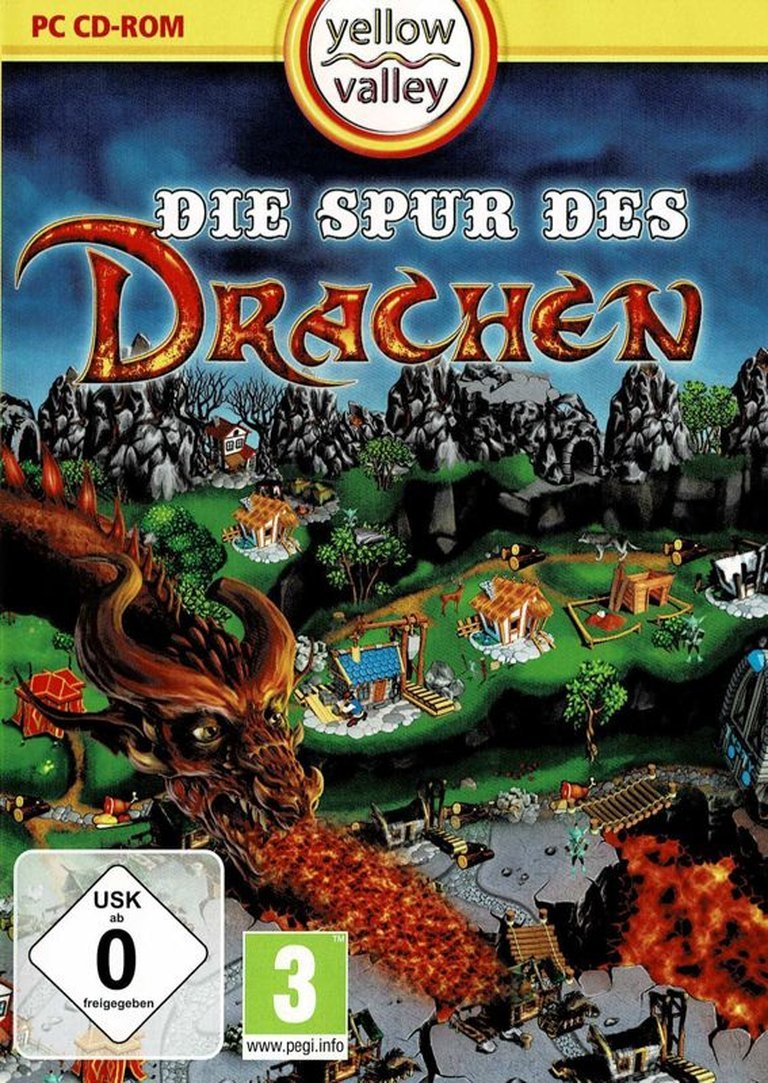
Description
Dragon Crossroads is a fantasy-themed time management and city-building adventure game where players assist a young hero in rescuing a stolen baby dragon from an evil magician. Set across 55 levels in five vibrant realms, the game challenges players to rebuild a ravaged kingdom, strategically manage resources, and overcome obstacles like goblins and ogres. Featuring point-and-click controls, comic book-style cutscenes, and a mix of construction simulation and strategic gameplay, the adventure unfolds through varied challenges in a whimsical medieval world.
Dragon Crossroads Guides & Walkthroughs
Dragon Crossroads Reviews & Reception
gamezebo.com (60/100): a game with fine basic mechanics, but disappointing… everything else.
Dragon Crossroads: Review
In the pantheon of time management games, Dragon Crossroads stands as a unique and captivating entry, blending fantasy elements with strategic gameplay. Released in 2013 by Alawar Entertainment, this game has left an indelible mark on the genre, offering a rich narrative, engaging mechanics, and a visually stunning world. This review will delve into the various aspects of Dragon Crossroads, providing an in-depth analysis of its development history, narrative themes, gameplay mechanics, world-building, reception, and legacy.
Development History & Context
Studio and Creators’ Vision
Alawar Entertainment, the studio behind Dragon Crossroads, has a storied history in the casual gaming industry. Known for their innovative and engaging titles, Alawar has consistently pushed the boundaries of what time management games can achieve. Dragon Crossroads was no exception, as the developers aimed to create a game that combined the best elements of strategy and fantasy.
The creators’ vision for Dragon Crossroads was to craft a game that would appeal to both casual and hardcore gamers. They sought to blend a compelling narrative with deep strategic gameplay, all wrapped in a visually stunning package. The result was a game that not only entertained but also challenged players to think critically and manage their resources effectively.
Technological Constraints and Gaming Landscape
At the time of its release, Dragon Crossroads faced several technological constraints. The game was developed for Windows, a platform that was already saturated with time management titles. However, Alawar managed to stand out by leveraging the latest graphical technologies available at the time. The game’s fixed/flip-screen perspective and 2D visuals were executed with a high level of detail, making it visually appealing despite the limitations of the era.
The gaming landscape in 2013 was dominated by mobile and casual games, with titles like Angry Birds and Candy Crush Saga enjoying massive popularity. Dragon Crossroads positioned itself as a premium experience, offering a more in-depth and strategic gameplay experience compared to its casual counterparts. This strategy paid off, as the game garnered a dedicated following among fans of the genre.
Narrative & Thematic Deep Dive
Plot and Characters
The narrative of Dragon Crossroads is centered around a young hero who embarks on a quest to save his kingdom from an evil magician. The magician has stolen a baby dragon, plunging the realm into chaos. The hero must navigate through various levels, each set in a different environment, to reclaim the kingdom and rescue the dragon.
The protagonist is a relatable and courageous figure, driven by a sense of duty and justice. Along the way, he encounters a variety of characters, including goblins, ogres, and other fantastical creatures. Each character is uniquely designed, adding depth to the game’s lore and making the world feel more immersive.
Dialogue and Themes
The dialogue in Dragon Crossroads is concise and effective, serving to advance the plot without becoming overly verbose. The game’s themes revolve around heroism, sacrifice, and the struggle between good and evil. These themes are explored through the protagonist’s journey, as he faces numerous challenges and obstacles in his quest to save the kingdom.
One of the standout features of the game’s narrative is its use of comic book-style interludes. These interludes provide additional context and backstory, enriching the overall experience and making the game’s world feel more cohesive.
Gameplay Mechanics & Systems
Core Gameplay Loops
Dragon Crossroads is a time management game at its core, with players tasked with completing various objectives within a set time limit. The game features a point-and-select interface, allowing players to easily interact with the environment and manage their resources.
The core gameplay loop involves gathering resources, building structures, and completing tasks. Players must balance their time and resources effectively, as each level presents unique challenges and obstacles. The game’s level-based design ensures that players are constantly engaged and challenged, as they work their way through the various settings and environments.
Combat and Character Progression
Combat in Dragon Crossroads is relatively straightforward, with players able to defeat enemies by clicking on them. However, the game’s true challenge lies in managing resources and time effectively. Players must prioritize their tasks and make strategic decisions, as the game’s time limits can be unforgiving.
Character progression is handled through the acquisition of new abilities and upgrades. As players complete levels, they earn points that can be used to enhance their character’s skills and abilities. This progression system adds an extra layer of depth to the gameplay, as players must decide how to allocate their resources to maximize their effectiveness.
UI and Innovative Systems
The user interface in Dragon Crossroads is intuitive and easy to use, with all necessary information displayed clearly on the screen. The game’s tutorial sequence is particularly well-designed, providing players with all the information they need to get started without overwhelming them.
One of the game’s innovative systems is its use of comic book-style interludes. These interludes not only provide additional context and backstory but also break up the gameplay, giving players a chance to rest and recharge before diving back into the action.
World-Building, Art & Sound
Setting and Atmosphere
The world of Dragon Crossroads is a rich and immersive fantasy setting, filled with a variety of environments and creatures. The game’s five gorgeous settings, each with its own unique design and challenges, contribute to the overall atmosphere and make the world feel more alive.
The game’s art style is a blend of 2D and 3D elements, with a focus on vibrant colors and detailed designs. The levels are packed with stunning detail, from the lush forests to the bustling villages. The in-game characters and entities are also beautifully designed, with high-definition models and smooth animations.
Visual Direction and Sound Design
The visual direction of Dragon Crossroads is one of its standout features. The game’s use of a fixed/flip-screen perspective allows for a high level of detail and immersion, as players can explore every corner of the environment. The game’s color scheme is vibrant and eye-catching, with a focus on bold and contrasting colors.
The sound design in Dragon Crossroads is equally impressive, with a mix of fantasy-inspired music and sound effects. The game’s soundtrack is epic and sweeping, perfectly complementing the game’s fantasy setting. The sound effects are also well-executed, with each action and interaction accompanied by a satisfying audio cue.
Reception & Legacy
Critical and Commercial Reception
Upon its release, Dragon Crossroads received mixed reviews from critics. While many praised the game’s visuals and gameplay mechanics, others criticized its repetitive nature and lack of innovation. Despite these criticisms, the game managed to carve out a dedicated following among fans of the genre.
Commercially, Dragon Crossroads was a modest success. The game’s premium pricing and in-depth gameplay experience appealed to a niche audience, but it struggled to compete with the more casual and accessible titles that dominated the market at the time.
Influence on Subsequent Games and the Industry
Despite its mixed reception, Dragon Crossroads has had a lasting impact on the time management genre. The game’s blend of fantasy elements and strategic gameplay has influenced numerous titles that have followed, with developers looking to replicate its success.
The game’s use of comic book-style interludes and detailed visuals has also set a new standard for the genre, with many developers now incorporating similar elements into their own games. Dragon Crossroads may not have been a commercial juggernaut, but its influence can still be seen in the time management games of today.
Conclusion
Dragon Crossroads is a game that, despite its flaws, stands as a testament to the potential of the time management genre. Its rich narrative, engaging gameplay mechanics, and stunning visuals make it a standout title in a crowded field. While it may not have achieved the commercial success of some of its contemporaries, its influence can still be felt in the games that have followed.
In the end, Dragon Crossroads is a game that deserves to be remembered and appreciated. It is a game that pushed the boundaries of what time management games could achieve, and its legacy continues to inspire developers and players alike. For those looking for a challenging and immersive time management experience, Dragon Crossroads is a title that should not be missed.