
- Release Year: 2014
- Platforms: Linux, Macintosh, Windows
- Publisher: Numantian Games SL
- Genre: Compilation
- Perspective: Unknown
- Game Mode: Single-player
- Average Score: 71/100
Description
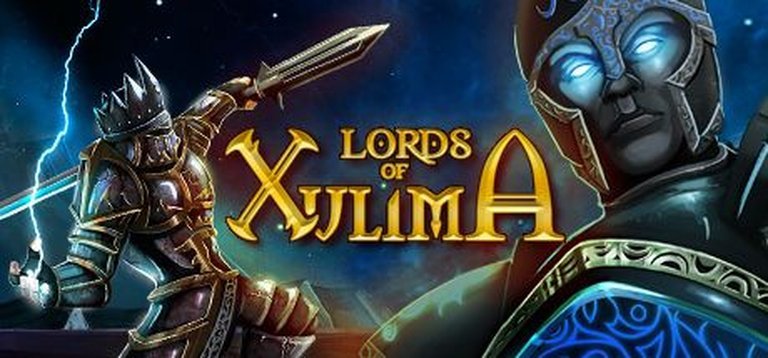
Lords of Xulima: The Talisman of Golot Edition is a compilation that includes the base game Lords of Xulima and its expansion, Lords of Xulima: The Talisman of Golot. Set on the mythical lost continent of Xulima, players command a party of six characters through a challenging, turn-based RPG. The Talisman of Golot, a powerful artifact, grants unique abilities and wishes, adding depth to the epic story between gods and men.
Lords of Xulima: The Talisman of Golot Edition Cracks & Fixes
Lords of Xulima: The Talisman of Golot Edition Mods
Lords of Xulima: The Talisman of Golot Edition Reviews & Reception
store.steampowered.com (71/100): More than 100 hours of authentic Role-Playing Experience
Lords of Xulima: The Talisman of Golot Edition: Review
Introduction
In an era dominated by open-world action RPGs, Lords of Xulima: The Talisman of Golot Edition stands as a defiant love letter to the golden age of tactical, party-based role-playing games. Developed by Spanish indie studio Numantian Games, this 2014 release—bundling the base game and its DLC—marries punishing difficulty, labyrinthine world-building, and a 100+ hour campaign with a modernized interface and a mythic narrative steeped in divine intrigue. This review argues that while the game’s unapologetic old-school ethos may alienate casual players, its intricate systems, richly realized setting, and thematic ambition cement it as a cult classic for RPG purists.
Development History & Context
A Labor of Indie Passion
Numantian Games, founded in Madrid by director Jesús Arribas, crafted Lords of Xulima as their debut title. Built using a proprietary engine, the project was crowdfunded via Kickstarter in 2013—a era defined by the rise of Divinity: Original Sin and Pillars of Eternity, which rekindled interest in hardcore CRPGs. The team’s vision was clear: to evoke the strategic depth of Might and Magic and Wizardry while streamlining archaic design elements.
Technological Constraints & Innovations
Despite its indie budget, the game’s isometric 2D art and turn-based combat were deliberate choices to prioritize gameplay over graphical spectacle. The inclusion of Linux/Mac support showcased Numantian’s commitment to niche audiences. The Talisman of Golot DLC, originally a backer reward, later became a critical part of the package, adding narrative depth and gameplay flexibility.
Narrative & Thematic Deep Dive
A Divine Tragedy Unfolds
Players assume the role of Gaulen, a mortal chosen by Golot—the God of Works and Dreams—to restore balance to Xulima, a continent ravaged by divine discord. The plot weaves a Greco-Roman-inspired epic, exploring themes of hubris, creation, and free will as Gaulen uncovers the fractured legacy of the titular Lords.
The Talisman of Golot: More Than a MacGuffin
The DLC’s titular artifact—a sentient relic capable of teleportation, stat boosts, and cryptic guidance—serves as both a gameplay tool and a narrative device. Its dialogue humanizes Golot, framing the god’s failed attempts to create life as a tragic foil to Alnaet, the Life-Giver. This duality elevates the story beyond typical “save the world” tropes, interrogating the cost of divine ambition.
Characters & Dialogue
While Gaulen himself is a silent protagonist, his customizable party members (from Bards to Divine Summoners) lack personal arcs, favoring archetypal roles. The writing shines in environmental storytelling—ancient tablets, cursed ruins—and in the Talisman’s haunting monologues, which drip with mythological gravitas.
Gameplay Mechanics & Systems
Core Loop: Survival as Strategy
- Exploration: A sprawling isometric overworld hides finite enemies, incentivizing careful resource management. Clearing zones grants bonuses, rewarding meticulous play.
- Combat: First-person turn-based battles demand tactical mastery. Positioning, elemental resistances, and stamina management are crucial against 100+ enemy types, from desert scorpions to the demon king Xabraluz.
- Progression: Nine classes, 100+ skills, and a hybrid leveling system (attribute points + skill trees) allow deep customization but risk imbalance—e.g., the Thief’s evasion stats can trivialize late-game encounters.
The Talisman’s Impact
The DLC’s artifact mitigates early-game frustration with its “wish” mechanic (converting energy into gold, food, or curses), though purists argue it undermines the survivalist ethos.
UI & Flaws
The interface is functional but cluttered, with inventory management becoming cumbersome. Random encounters, while avoidable, can feel punitive in already hostile zones.
World-Building, Art & Sound
A Continent Forged by Gods
Xulima’s biomes—golden forests, sulfuric deserts, glacial peaks—are vividly rendered in hand-drawn 2D, evoking a mythic storybook aesthetic. Each region teems with environmental lore, such as the Towers of Sorcery, which guard divine artifacts.
Audio: A Choral Odyssey
Composer Nicolas de Ferran’s score blends choral hymns with ambient strings, echoing the game’s divine themes. Combat SFX, however, lack variety—a missed opportunity to accentuate tactical depth.
Reception & Legacy
Mixed Critics, Devoted Fans
Launch reviews praised its ambition but criticized its steep difficulty (Metacritic: 71/100). Steam users (79% positive) celebrated its depth, dubbing it a “hidden gem.” The Talisman DLC softened the learning curve, broadening its appeal.
Industry Influence
While not a commercial blockbuster, Lords of Xulima proved indie RPGs could thrive by catering to niche audiences. Its DNA is visible in Pathfinder: Kingmaker and Black Geyser: Couriers of Darkness, which emulate its blend of old-school rigor and narrative grandeur. A sequel, Lords of Xulima II, remains in early development.
Conclusion
Lords of Xulima: The Talisman of Golot Edition is a flawed masterpiece—a game that demands patience but rewards it with unparalleled depth. Its fusion of mythic storytelling, punishing strategy, and artisanal charm secures its place in RPG history as a bridge between eras: too sprawling for mainstream acclaim, but too ambitious to forget. For those willing to heed Golot’s call, it offers a journey as transformative as the gods themselves once envisioned.
Final Verdict: 8/10 — A must-play for CRPG devotees, but approach with a strategist’s mind and a poet’s heart.