
- Release Year: 2024
- Platforms: Nintendo Switch, Windows Apps, Windows, Xbox One, Xbox Series
- Publisher: Whitethorn Games
- Developer: Polygon Treehouse Ltd.
- Genre: Adventure
- Perspective: Third-person (Other)
- Game Mode: Single-player
- Gameplay: Collect-a-thon, Fetch quests, Puzzle elements
- Setting: Europe, Greek mythology, Island
- Average Score: 66/100
Description
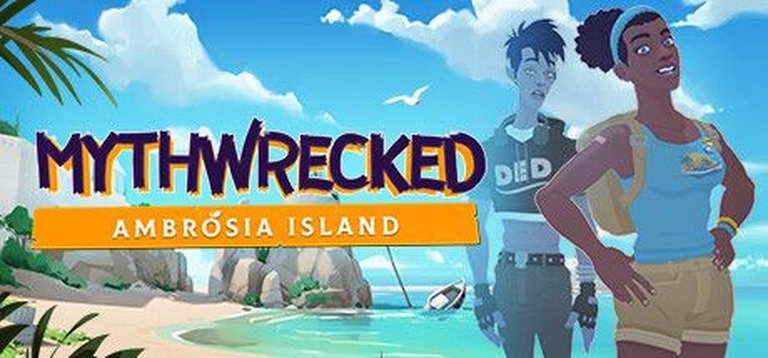
Mythwrecked: Ambrosia Island is a cozy adventure game where players step into the shoes of Alex, a shipwrecked protagonist stranded on a mysterious Mediterranean island. The game blends exploration, light puzzle-solving, and relationship-building as Alex interacts with amnesiac Greek gods scattered across the island. Players uncover the gods’ lost memories through quests and humor-filled dialogue, all while unraveling the secrets of Ambrosia Island’s enchanting world. With its charming 3rd-person perspective, vibrant setting, and relaxed gameplay, Mythwrecked offers a whimsical narrative experience centered on connection, mythology, and discovery.
Gameplay Videos
Where to Buy Mythwrecked: Ambrosia Island
Mythwrecked: Ambrosia Island Guides & Walkthroughs
Mythwrecked: Ambrosia Island Reviews & Reception
metacritic.com (63/100): Mythwrecked: Ambrosia Island delivers a unique and heartwarming adventure with its creative take on Greek mythology and engaging relationship‑building mechanics.
eurogamer.net : A gentle cadence and quirky characters can’t counter Mythwrecked’s repetitiveness, making this more Greek tragedy than odyssey.
opencritic.com (62/100): Mythwrecked: Ambrosia Island offers a heartfelt and companionable experience that puts the focus on friendship, memory and community.
comfycozygaming.com (100/100): It’s a game designed for me and players like me. I had to dig deep to find anything to complain about and trust me, the qualm is tiny.
intoindiegames.com (40/100): Mythwrecked only requires you to employ the most mundane part of the game‑playing brain.
Mythwrecked: Ambrosia Island Review
Introduction
In the ever-expanding landscape of cozy indie games, Mythwrecked: Ambrosia Island emerges as a sun-drenched sanctuary that reimagines Greek mythology as a therapeutic exercise in empathy. Developed by Polygon Treehouse (creators of the BAFTA-nominated Röki) and published by Whitethorn Games, this “Friend ’em Up” adventure trades combat for compassion, tasking players with healing a fractured pantheon of gods through fetch quests and conversational nuance. While its repetitive loops may deter players seeking mechanical complexity, Mythwrecked’s heartfelt character writing and stylized world craft a poignant meditation on memory and community—albeit one that leans heavily on comfort over challenge.
Development History & Context
Born from the UK-based Polygon Treehouse, Mythwrecked reflects a studio pivoting from Röki’s Scandinavian folklore to a Hellenic odyssey, guided by Creative Director Alex Kanaris-Sotiriou’s Greek heritage. Conceived during COVID-19 lockdowns as a “fantastical vacation” for isolated players, the game deliberately embraces accessibility and low-stakes engagement—a counterpoint to 2024’s AAA bombast. Built in Unity with a flat-shaded, cel-animated aesthetic inspired by Asterix, Tintin, and Steven Universe, the team prioritized a cohesive “swatch palette” for environmental textures and drew from Dark Souls’ interconnected level design. The result is a frictionless, family-friendly experience targeting an audience fatigued by punitive gameplay, though its simplicity polarizes critics.
Narrative & Thematic Deep Dive
Shipwrecked doctoral student Alex arrives on Ambrosia Island, a technicolor purgatory where Zeus, Hera, Athena, and other gods suffer amnesia-fueled paranoia. Stripped of divine grandeur, these deities embody modern archetypes: Poseidon is a surf-obsessed Californian, Ares a Mohawked punk veteran, Hades a goth teen, and Hephaestus an overworked engineer in a wheelchair—a deliberate, sensitivity-read reclamation of his mythic disability. Their arcs explore relatable anxieties: imposter syndrome, burnout, and fractured familial bonds.
The narrative unfolds through three friendship tiers per god, unlocked via artifact retrieval and busywork. Alex’s role as a mortal mediator reinforces themes of human connection transcending divine ego, though her own characterization remains thin—a vessel for player intervention rather than a protagonist with interiority. Major revelations (like the gods’ collective trauma stemming from [REDACTED]) resonate thematically but culminate in a rushed climax with minimal player agency. Despite this, the writing excels in witty, economical dialogue that modernizes myth without trivializing it, positioning vulnerability as heroic.
Gameplay Mechanics & Systems
At its core, Mythwrecked is a collectathon stripped of peril. Players scour the island for god-specific mementos using a “hot/cold” radar, feed Hermes’ seagulls, clean Aphrodite’s mosaics, and reboot Hephaestus’ wind turbines—all mapped conspicuously via the Ambrosidex (a glorified quest log). Progression gates rely on trading Ambrosia fruit (ubiquitous as weeds) for keys, furniture, and portal access, trivializing resource management.
The day/night cycle, while aesthetically lush, feels functionally superfluous; benches let players fast-forward time, undermining any scheduling tension. Similarly, the much-touted “interconnected world” channels Dark Souls in theory but bottlenecks exploration through rudimentary seal-matching puzzles. Combat is nonexistent, and while UI innovations like dynamic quest markers prevent frustration, they also erase discovery. The result is a gameplay loop often critiqued as “fetch quests ad infinitum” (Eurogamer), enjoyable only if players embrace its Zen-like repetition as a feature, not a bug.
World-Building, Art & Sound
Ambrosia Island’s greatest triumph lies in its presentation. The pastel-hued environments—from crumbling temples to turquoise coves—evolve with diurnal lighting, as dawn spills rose gold over sandstone and dusk deepens into indigo. Character designs radiate personality: Athena’s owl-winged updos, Ares’ dog-tag clinks, and Zeus’ gold-chained bling balance cartoonish flair with emotional authenticity.
Aether’s soundtrack amplifies the escapism, swapping lyres for acoustic guitars, flamenco rhythms, and campfire-ready ukulele motifs that shift tone with context. Ambient audio, however, stumbles; gods communicate through repetitive vocal tics (“Hmm!” “Ah!”), which grate over time (though mercifully, these can be muted). Environmental details—scuttling crabs, cassette tapes hidden for music lovers—reward observant players, while accessibility options (text sizing, control rebinding) ensure broad inclusivity.
Reception & Legacy
Upon release, Mythwrecked divided critics. Advocates (Comfy Cozy Gaming, Finger Guns) praised its “Serotonin-inducing” quests (10/10), while detractors (Into Indie Games, Eurogamer) bemoaned its “shallow puzzles” (2/5). It holds a Metascore of 63 (PC) and OpenCritic average of 62, highlighting its niche appeal. Commercially, it found footing among cozy-game enthusiasts, with Polygon Treehouse citing player gratitude for its “lockdown antidote” ethos.
Legacy-wise, Mythwrecked advances the “Friend ’em Up” subgenre popularized by titles like A Short Hike, prioritizing emotional labor over traditional conflict. Its reclamation of Greek myths—centering disabled, queer-coded, and neurodivergent-coded gods—sets a benchmark for inclusive storytelling, albeit one future games must deepen mechanically. Industry-wide, it reaffirms Whitethorn’s reputation for publishing accessible indies, though its lackluster finale risked dampening word-of-mouth momentum.
Conclusion
Mythwrecked: Ambrosia Island is a paradoxical gem: a visually radiant, narratively tender game hamstrung by its own aversion to friction. Its greatest strength—empathic, humanized deities—collides with gameplay that seldom challenges players beyond item-hunting stamina. For fans of therapeutic repetition and mythology remixes, it’s a captivating 10-hour odyssey; for others, a missed opportunity to marry its themes with deeper interactivity. Ultimately, Polygon Treehouse crafts a poignant fable about healing through community—one that, much like Ambrosia’s fruit, is sweet yet scarcely nourishing. A flawed but heartfelt footnote in cozy-game history, destined for cult adoration rather than canonization.
Final Verdict:
A sun-soaked sanctuary for the weary, Mythwrecked shines in character and charm but dims in mechanical ambition—a 7/10 experience best savored by completionists and myth-obsessed relaxers.