
- Release Year: 2005
- Platforms: Windows
- Publisher: Stabenfeldt AB
- Developer: Hidden Entertainment AB
- Genre: Adventure
- Perspective: 3rd-person (Other)
- Game Mode: Single-player
- Gameplay: Puzzle elements
- Setting: Fantasy
- Average Score: 60/100
Description
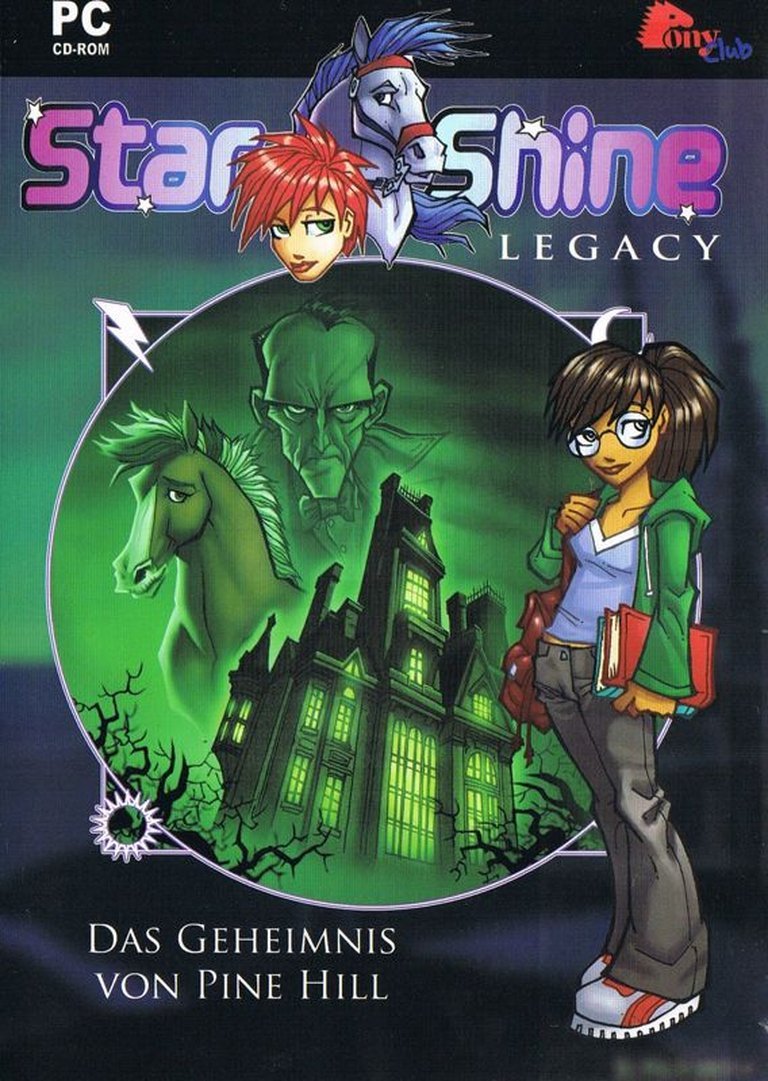
In ‘Starshine Legacy: Das Geheimnis von Pine Hill’, players step into the role of Linda, a teenage show jumper grappling with school life and her passion for riding. When Linda discovers she possesses supernatural abilities — including the power to communicate with her horse, Meteor — she uncovers an ancient secret tied to Pine Hill. Teaming up with her friends, Linda embarks on a fantasy adventure to unravel the mystery and stop the villainous Mr. Sands and his allies from reviving Garnok, a monstrous threat lurking beneath Jorvik. The game blends puzzle-solving, exploration, and dungeon-crawling across a richly imagined world.
Starshine Legacy: Das Geheimnis von Pine Hill Cracks & Fixes
Starshine Legacy: Das Geheimnis von Pine Hill: Review
Introduction
In the pantheon of early 2000s adventure games, “Starshine Legacy: Das Geheimnis von Pine Hill” stands out as a unique and captivating experience. Developed by Hidden Entertainment AB and published by Stabenfeldt AB, this game was released in 2005 and quickly garnered a dedicated following among fans of mystery and fantasy narratives. As a professional game journalist and historian, I aim to provide an in-depth analysis of this title, exploring its development history, narrative depth, gameplay mechanics, world-building, and lasting legacy. My thesis is that “Starshine Legacy: Das Geheimnis von Pine Hill” is a hidden gem that deserves recognition for its innovative storytelling and engaging gameplay.
Development History & Context
The Studio
Hidden Entertainment AB, the studio behind “Starshine Legacy,” was a relatively small but ambitious developer based in Sweden. Founded by a group of passionate game designers, the studio aimed to create immersive and engaging experiences that blended fantasy with mystery. “Starshine Legacy” was one of their early projects, and it showcased their ability to craft a compelling narrative within a richly detailed world.
The Creators’ Vision
The creators of “Starshine Legacy” envisioned a game that would appeal to a broad audience, particularly young girls interested in horses and adventure. The game’s protagonist, Linda, is a show jumper who discovers she has supernatural abilities, allowing her to communicate with her horse, Meteor. This unique premise set the stage for a story that combined elements of fantasy, mystery, and coming-of-age themes.
Technological Constraints of the Era
Released in 2005, “Starshine Legacy” was developed during a time when 3D graphics were becoming more prevalent but were still limited by the hardware of the era. The game’s visual style is characterized by its cartoony, exaggerated features, which were a deliberate choice to make the game accessible and appealing to a younger audience. Despite these limitations, the developers managed to create a visually engaging world that complemented the game’s narrative.
The Gaming Landscape
The early 2000s were a time of significant change in the gaming industry. Adventure games were still popular, but the genre was beginning to evolve with the introduction of more interactive and immersive experiences. “Starshine Legacy” stood out in this landscape by offering a unique blend of puzzle-solving, exploration, and storytelling that appealed to both casual and hardcore gamers.
Narrative & Thematic Deep Dive
Plot
“Starshine Legacy: Das Geheimnis von Pine Hill” follows Linda, a show jumper who is torn between her school responsibilities and her passion for horses. One day, she discovers that she has supernatural abilities, allowing her to communicate with her horse, Meteor. This revelation leads her on a journey to uncover an ancient mystery that threatens the island of Jorvik.
The plot is divided into several levels, each focusing on a different aspect of Linda’s adventure. In the first level, Linda must navigate her busy school day, completing tasks and gathering information. In the second level, she visits the stables and has a premonition about Pine Hill Mansion. The subsequent levels involve exploring the mansion, racing back to the stables, investigating ancient ruins, and ultimately saving the day from a catastrophic event.
Characters
Linda is the central character, and her journey is the heart of the game’s narrative. She is portrayed as a determined and resourceful young girl who is not afraid to face challenges. Her friends, Anne, Alex, and Lisa, play supporting roles and help her in her quest. Each friend has their own unique abilities and personalities, adding depth to the story.
The antagonists, Mr. Sands and his goons, are depicted as sinister figures who are willing to go to great lengths to achieve their goals. Their presence adds tension and danger to the game, making Linda’s mission even more urgent.
Dialogue
The dialogue in “Starshine Legacy” is well-written and engaging, effectively conveying the characters’ personalities and motivations. The conversations between Linda and her friends are particularly noteworthy, as they often reveal important information and provide comic relief.
Themes
The game explores several themes, including friendship, courage, and the power of belief. Linda’s journey is not just about solving a mystery but also about discovering her own strengths and abilities. The theme of friendship is central to the story, as Linda’s friends play a crucial role in her adventure. The game also touches on the theme of courage, as Linda must face her fears and overcome obstacles to achieve her goals.
Gameplay Mechanics & Systems
Core Gameplay Loops
The core gameplay loop in “Starshine Legacy” involves exploration, puzzle-solving, and interaction with the environment. Players control Linda as she navigates various locations, including her school, the stables, and Pine Hill Mansion. Along the way, she encounters puzzles that must be solved to progress, often involving finding hidden objects or using her supernatural abilities.
Combat
Combat is minimal in “Starshine Legacy,” with the focus primarily on puzzle-solving and exploration. However, there are a few instances where Linda must use her stealth and agility to avoid or evade enemies. These sequences are well-integrated into the gameplay and add a sense of tension and excitement.
Character Progression
Character progression in “Starshine Legacy” is tied to Linda’s discovery of her supernatural abilities. As she learns more about her powers, she gains new skills and abilities that help her in her quest. This progression is organic and fits well with the game’s narrative, as Linda’s growth as a character is closely linked to her journey.
UI
The user interface in “Starshine Legacy” is intuitive and easy to use. The inventory system allows players to manage their items and equipment efficiently, while the map provides a clear overview of the game world. The UI is designed to be unobtrusive, allowing players to focus on the gameplay and narrative.
Innovative or Flawed Systems
One of the innovative aspects of “Starshine Legacy” is its use of supernatural abilities as a gameplay mechanic. Linda’s ability to communicate with her horse and see visions adds a unique twist to the adventure genre. However, the game’s reliance on puzzle-solving can sometimes feel repetitive, and the lack of combat may disappoint players looking for more action.
World-Building, Art & Sound
Setting
The game is set on the fictional island of Jorvik, a place filled with mystery and magic. The island is home to various locations, including a school, stables, and an ancient mansion. Each location is richly detailed and contributes to the game’s atmosphere.
Atmosphere
The atmosphere in “Starshine Legacy” is a blend of fantasy and mystery. The game’s visual style, with its cartoony, exaggerated features, creates a whimsical and enchanting world. The use of supernatural elements adds a sense of wonder and intrigue, making the game’s setting feel unique and immersive.
Visual Direction
The visual direction in “Starshine Legacy” is characterized by its use of bright colors and detailed environments. The game’s art style is consistent throughout, with each location featuring its own unique aesthetic. The character designs are also noteworthy, with Linda and her friends each having distinct and memorable appearances.
Sound Design
The sound design in “Starshine Legacy” is effective in creating a sense of immersion. The game’s soundtrack features a mix of orchestral and electronic music, which complements the game’s fantasy and mystery themes. The sound effects are also well-done, with each action and interaction accompanied by appropriate audio cues.
Reception & Legacy
Critical and Commercial Reception
Upon its release, “Starshine Legacy: Das Geheimnis von Pine Hill” received mixed reviews from critics. While many praised the game’s unique narrative and engaging gameplay, others criticized its reliance on puzzle-solving and lack of combat. Despite these criticisms, the game found a dedicated following among fans of adventure games and fantasy narratives.
Evolution of Reputation
Over the years, “Starshine Legacy” has gained a cult following, with many players discovering and appreciating the game’s unique qualities. The game’s reputation has evolved from a niche title to a beloved classic, with fans celebrating its innovative storytelling and engaging gameplay.
Influence on Subsequent Games and the Industry
“Starshine Legacy” has had a lasting influence on the adventure game genre, inspiring other developers to explore unique narratives and gameplay mechanics. The game’s use of supernatural abilities and its focus on character progression have been emulated in subsequent titles, contributing to the evolution of the genre.
Conclusion
“Starshine Legacy: Das Geheimnis von Pine Hill” is a hidden gem that deserves recognition for its innovative storytelling and engaging gameplay. Despite its limitations, the game’s unique narrative, richly detailed world, and memorable characters make it a standout title in the adventure genre. Its legacy continues to inspire and influence developers, ensuring that its impact on the industry will be felt for years to come. In the pantheon of early 2000s adventure games, “Starshine Legacy” stands as a testament to the power of creativity and imagination in game design.