
- Release Year: 2021
- Platforms: PlayStation 4, PlayStation 5, Windows
- Publisher: Breaking Walls
- Developer: Breaking Walls
- Genre: Animal life, Biological, Simulation
- Perspective: Behind view
- Game Mode: Single-player
- Gameplay: Animal Life Simulation, Nature Exploration, Survival
- Setting: Nature
- Average Score: 49/100
Description
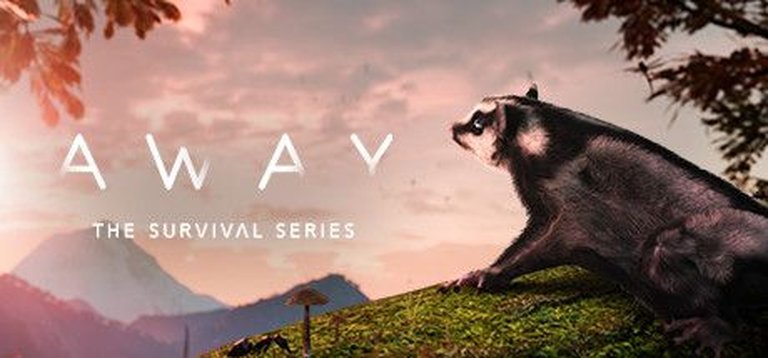
Away: The Survival Series is an educational simulation game that immerses players in the natural world of sugar gliders. Developed by Breaking Walls, the game combines elements of survival and documentary-style storytelling to provide an engaging and informative experience. Players navigate the challenges faced by these nocturnal creatures, learning about their habits and environment through a blend of gameplay and narrative. The game’s serene atmosphere and detailed graphics make it an appealing choice for nature enthusiasts and those interested in wildlife conservation.
Gameplay Videos
Where to Buy Away: The Survival Series
PC
Away: The Survival Series Free Download
Away: The Survival Series Cracks & Fixes
Away: The Survival Series Mods
Away: The Survival Series Guides & Walkthroughs
Away: The Survival Series Reviews & Reception
opencritic.com (30/100): Buggy, broken, and boring, Away: The Survival Series is awful all around.
metacritic.com (54/100): While AWAY: The Survival Series nails its nature doc narration conceit, it doesn’t have anything particularly enlightening to say.
monstercritic.com (65/100): Away: The Survival Series sounds great on paper, as its nature documentary format gives it a charming quality you wouldn’t expect to work.
Away: The Survival Series: Review
A Cinematic Leap Hindered by Technical Thickets
Introduction
In an industry dominated by human-centric narratives and hyper-realistic combat, Away: The Survival Series (2021) dares players to swap assault rifles for patagium membranes and experience life as a sugar glider in a decaying paradise. Developed by Montreal indie studio Breaking Walls, this “playable nature documentary” merges environmental activism with biomechanical survival mechanics. Yet, beneath its lush canopies lies a game torn between cinematic ambition and technical growing pains—a poignant allegory for the fragile ecosystems it seeks to celebrate. This review explores whether Away soars or stumbles in its bold evolutionary gamble.
Development History & Context
Founding the Nest
Breaking Walls emerged in 2015 as a passion project by AAA veterans Laurent Bernier (Creative Director) and Sébastien Nadeau (Head of Technology), whose backgrounds included work on Assassin’s Creed and Prince of Persia. Inspired by David Attenborough documentaries and climate anxieties, the team sought to create a game that prioritized “ecological empathy” over traditional power fantasies.
Funding the Flight
The studio secured CA$136,000 via a 2019 Kickstarter campaign, supplemented by CA$2.3 million from the Canada Media Fund and Game Seer Venture Partners. Built in Unreal Engine 4 with PhysX physics and Wwise audio, Away targeted a 2020 release but faced delays due to pandemic-related hurdles and scope adjustments.
A Crowded Jungle
Launching September 28, 2021, amid indie darlings like Kena: Bridge of Spirits and AAA juggernauts like Far Cry 6, Away faced skepticism. Critics wondered if a “sugar glider simulator” could resonate in a market saturated with survival games. Yet its focus on non-violent storytelling and UNESCO-backed climate messaging positioned it as a thematic outlier.
Narrative & Thematic Deep Dive
A Glider’s Odyssey
Players control a young sugar glider separated from its family after a catastrophic storm—a thinly veiled metaphor for anthropogenic climate collapse. The journey across a toxin-ravaged island is framed as a nature documentary, narrated by a soothing Attenborough-esque voice (actor uncredited) who oscillates between describing behaviors (“Sugar gliders secrete oil to mark territory”) and lamenting humanity’s extinction.
Thematic Seeds
– Environmental Collapse: Ruined skyscrapers and plastic-choked rivers underscore a post-human world, though deeper lore via collectible “video logs” feels underdeveloped.
– Survival as Poetry: The glider’s vulnerability—avoiding owls, battling centipedes—mirrors real-world ecological fragility.
– Missing Branches: Critics noted dissonance between the somber themes and gameplay, where eating glowing mushrooms heals improbably fast. The narrative’s reluctance to condemn humanity outright (e.g., framing extinction as a “natural cycle”) diluted its eco-critical edge.
Gameplay Mechanics & Systems
Flight and Frustration
The core loop blends platforming, stealth, and light combat:
– Gliding: Fluid airborne traversal between trees, undermined by stiff stick controls and inconsistent ledge-grabbing.
– Predator Evasion: “Fear zones” require hiding in foliage—a tense system marred by erratic AI (e.g., snakes freezing mid-attack).
– Combat: Mash X to thrash opponents with cartoonish flails. Combat lacks weight, and late-game encounters (e.g., spiders) suffer from hitbox glitches.
Unlockable animals—beetles, crabs, lizards—offer fleeting variety but control worse than the glider. Exploration Mode, patched post-launch, lets players inhabit creatures freely but lacks objectives beyond sightseeing.
Technical Thorns
– Camera Chaos: Tight spaces trigger disorienting angles, while inverted climbing controls plague tree navigation.
– Bug Infestation: Players reported falling through terrain, infinite death loops, and progress-blocking glitches requiring restarts.
– UX Missteps: A minimalist UI (health/stamina only) clashes with unclear waypoints, leaving players lost in dense biomes.
World-Building, Art & Sound
A Verdant Grave
Away’s decaying island mesmerizes with bioluminescent fungi, monsoon-soaked valleys, and abandoned human relics. Yet visual inconsistency plagues the experience: foliage pops in abruptly, textures resolve sluggishly on consoles, and documentary-style “camera filters” (e.g., chromatic aberration) often obscure visibility.
Symphony of Survival
Composer Mike Raznick (Planet Earth II) elevates the experience with a haunting score blending Taiko drums, woodwind melodies, and urgent strings during chase sequences. The narration—clinical yet poetic—grounds the absurdity of a glider battling scorpions. Sound design shines in minutiae: rainfall on leaves, predator growls echoing in caves.
Reception & Legacy
Critical Crossfire
Away garnered tepid reviews (Metacritic: 54/100 on PC, 48/100 on PS5). Praise focused on its concept, visuals, and score (Gaming Nexus: “A quiet elegance”). Criticism targeted “unforgivable” bugs and “joyless” controls (PlayStation Universe: “Clunky edutainment”). Steam reviews reflect a polarized “Mixed” rating (55% positive), with players citing “charm” versus “broken mechanics.”
Awards and Aftermath
Despite flaws, Away won “Best in Play” at GDC 2019 and the UN’s “Most Adoptable” Green Game Jam Award (2021) for integrating real-world reforestation petitions into gameplay. Its legacy endures in indie circles as a cautionary tale about ambition outpacing polish, while inspiring eco-conscious titles like Endling.
Breaking Walls’ post-launch support (performance patches, Exploration Mode) salvaged goodwill, but plans for a sequel remain unannounced.
Conclusion
Away: The Survival Series is a heartfelt but haphazard experiment—a nature documentary trapped in a video game’s body. Its visionary premise, evocative score, and environmental message deserved a more refined execution. While platforming frustrations and technical weeds may deter mainstream players, patient audiences will find poignant beauty in gliding through its dying world. For now, it stands as a flawed纪念碑 to indie daring, whispering: What if?
Final Verdict: A niche gem for documentary enthusiasts and patient players, but a shaky branch for others. Approach as an interactive BBC Special, not a precision platformer.