
- Release Year: 2021
- Platforms: Nintendo Switch, Windows, Xbox One, Xbox Series
- Publisher: 2Boone Games, RedDeerGames Sp. z o.o.
- Developer: 2Boone Games
- Genre: Action, Simulation
- Perspective: Top-down
- Game Mode: Single-player
- Gameplay: Auto-saving, Business simulation, Farming, Puzzle, RPG elements, Task Management
- Setting: Fantasy
Description
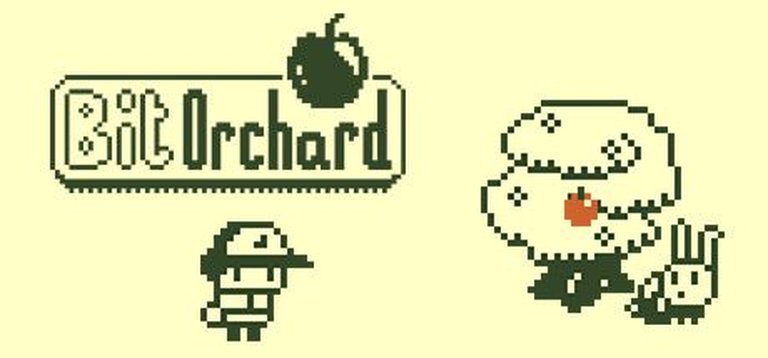
Bit Orchard: Animal Valley is a charming, top-down, 2D scrolling game that combines elements of managerial simulation, puzzles, and RPG. Set in a fantasy world, players manage their own apple orchard, planting trees, harvesting apples, and completing tasks for the villagers. The game features a relaxing pace, classic Game Boy-style graphics, and nostalgic music, making it a delightful time sink for casual gamers.
Gameplay Videos
Where to Buy Bit Orchard: Animal Valley
PC
Bit Orchard: Animal Valley Patches & Updates
Bit Orchard: Animal Valley Guides & Walkthroughs
Bit Orchard: Animal Valley Review
A charming but fleeting bite of retro farming nostalgia that shines in its simplicity yet falters in longevity.
Introduction
In an era dominated by sprawling RPGs and hyper-competitive multiplayer titles, Bit Orchard: Animal Valley (2021) carves out a niche as a minimalist homage to the Game Boy era. Developed by 2Boone Games, this top-down farming sim blends retro aesthetics with cozy gameplay loops, offering a tranquil escape—albeit one that feels more like an amuse-bouche than a full meal. This review argues that while Bit Orchard succeeds as a love letter to 8-bit simplicity, its lack of depth and fleeting playtime leave it as a footnote rather than a landmark in the farming sim genre.
Development History & Context
Studio Vision & Technological Constraints
2Boone Games, a small indie studio, aimed to evoke the tactile charm of early handheld gaming with Bit Orchard. Built using Unity, the game’s adoption of a monochromatic green-and-black palette and chiptune soundtrack directly channels the Game Boy’s hardware limitations, reimagining them as stylistic choices rather than constraints. Released in May 2021—amid a surge of nostalgic indie titles like Stardew Valley and Graveyard Keeper—Bit Orchard positioned itself as a microcosm of the cozy gaming trend, targeting players seeking bite-sized relaxation.
The Gaming Landscape
The early 2020s saw a resurgence of farming sims and retro-inspired indies, fueled by platforms like Nintendo Switch and Steam. Bit Orchard’s $6.99 price point and short playtime reflect a deliberate pivot toward accessible, low-commitment experiences, contrasting with the time-sink demands of contemporaries like Animal Crossing: New Horizons.
Narrative & Thematic Deep Dive
Plot & Characters
The game’s narrative is threadbare but serviceable: players inherit a dilapidated orchard in Animal Valley, tasked with restoring it while befriending anthropomorphic villagers like a kindly hare and a task-oriented squirrel. Dialogue is minimal, echoing the pared-down storytelling of early Harvest Moon titles, with quests often amounting to fetch tasks (“Collect 10 apples for the harvest festival!”).
Themes
Bit Orchard explores themes of community, tradition, and slow living, encouraging players to savor small victories—watering a sapling, gifting apples to neighbors—rather than chase grand ambitions. The absence of combat or fail states reinforces its pacifist ethos, positioning farming as an act of meditation.
Gameplay Mechanics & Systems
Core Loop & Progression
The gameplay revolves around three pillars:
1. Orchard Management: Plant apple trees, harvest fruit, and sell surplus at market.
2. Village Quests: Complete light puzzles (e.g., arranging crops in specific patterns) for rewards.
3. Relationship Building: Gift apples to villagers to unlock decorative items.
Progress is measured by orchard expansion and cosmetic unlocks, but the RPG-like progression lacks depth. With no skill trees or complex economies, the loop feels repetitive after the 2-hour mark.
UI & Innovation
The UI mimics Game Boy menus, complete with pixelated icons and a grid-based inventory. While intuitive, it lacks quality-of-life features like bulk crafting or quest tracking. The “Tasks” DLC (2022) later added a quest log, addressing early criticism of disorganization.
Flaws
– Short Playtime: Most content is exhausted in 3–4 hours.
– Limited Replayability: No seasonal changes or randomized events.
World-Building, Art & Sound
Visual Direction
The game’s 2D scrolling visuals embrace a retro-fantasy aesthetic, with sprawling orchards framed by jagged, Zelda-like mountains. The monochromatic palette—reminiscent of the Game Boy’s pea-green screen—is softened by subtle dithering effects, creating a surprisingly lush atmosphere.
Sound Design
Composer Ben Hickling’s chiptune soundtrack blends jaunty farm themes with ambient forest noise. Tracks like “Apple Folk Dance” elevate the simplistic gameplay, though the limited sound bank leads to noticeable repetition.
Reception & Legacy
Launch Reception
Critics praised its nostalgic charm but lamented its brevity:
– Gamer’s Palace (80%): “A relaxing escape… but over too soon.”
– Comfy Cozy Gaming (70%): “A cozy time sink for retro enthusiasts.”
The PC version sold modestly, but the 2022 Switch port found a wider audience, capitalizing on the handheld’s cozy gaming demographic.
Industry Influence
While Bit Orchard hasn’t reshaped the genre, its success as a budget title (and subsequent DLCs) demonstrated market appetite for minimalist, nostalgia-driven experiences. It also paved the way for 2Boone’s follow-up projects, which expanded on its tech and art style.
Conclusion
Bit Orchard: Animal Valley is a delightful—if fleeting—tribute to the handheld era, perfect for retro purists seeking a weekend diversion. Its lack of mechanical ambition and short runtime prevent it from standing alongside titans like Stardew Valley, but as a $7 palate cleanser between larger games, it delivers serene, pixelated charm. In the annals of farming sim history, it will be remembered not as a revolution, but as a charming artifact of gaming’s minimalist undercurrent.
Final Verdict: A worthwhile curiosity for nostalgia seekers, but not essential.