
- Release Year: 2018
- Platforms: Windows
- Publisher: Immanitas Entertainment GmbH, JoyBits Ltd.
- Developer: JoyBits Ltd.
- Genre: Puzzle
- Perspective: Diagonal-down
- Game Mode: Single-player
- Gameplay: Alchemy, Element Creation, Point and select
- Average Score: 26/100
Description
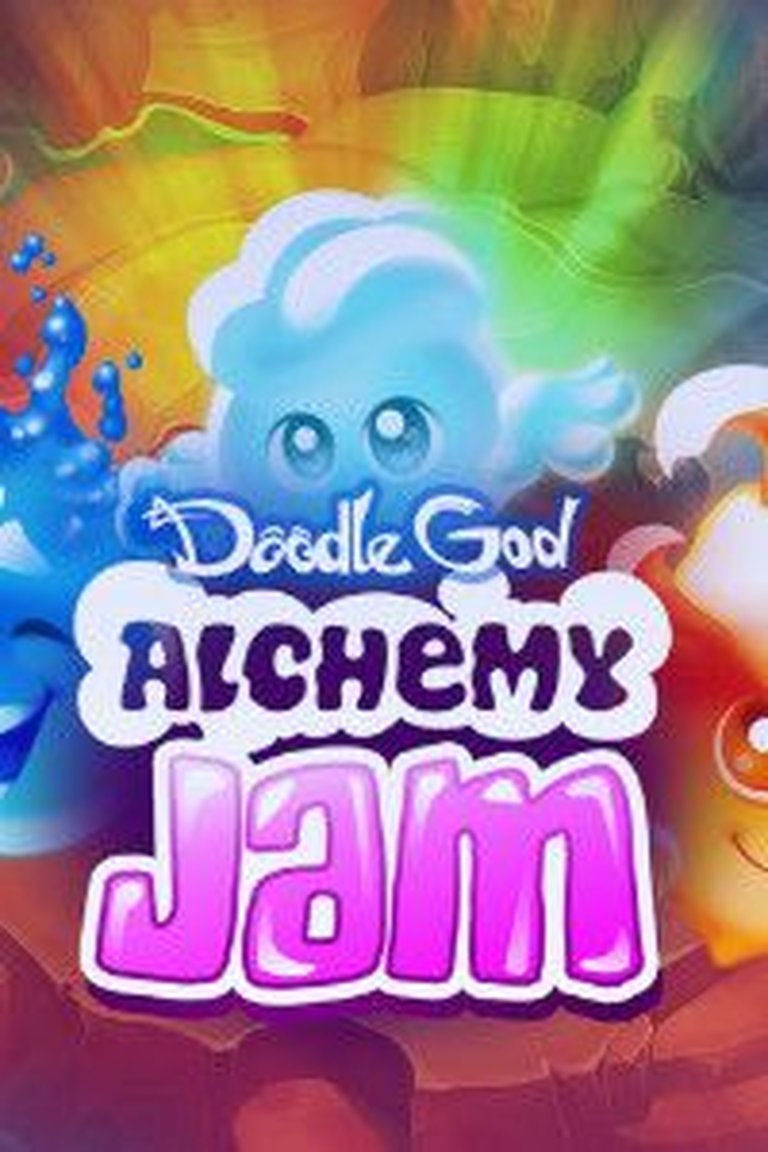
In ‘Doodle God: Alchemy Jam’, players step into the role of a divine creator tasked with building a world from scratch. Starting with the four basic elements—fire, water, earth, and air—you combine them to form increasingly complex substances, objects, and even lifeforms. Through intuitive point-and-select gameplay, you’ll discover hundreds of unique combinations, from simple tools like wheels to advanced concepts like electricity and cities, all while shaping a vibrant planet filled with your creations.
Gameplay Videos
Where to Buy Doodle God: Alchemy Jam
Doodle God: Alchemy Jam Guides & Walkthroughs
Doodle God: Alchemy Jam Reviews & Reception
niklasnotes.com (27/100): Many players express frustration over the game’s brevity, often completing it in under an hour.
Doodle God: Alchemy Jam: Review
Introduction
What if you could play God, crafting entire worlds from nothing but elemental building blocks? Doodle God: Alchemy Jam (2018) invites players to embrace this divine role, promising endless creativity through its alchemy-driven puzzle mechanics. As the ninth installment in JoyBits’ long-running Doodle God series, Alchemy Jam sought to refine the franchise’s signature formula of element-combining experimentation. However, despite its ambitious premise, the game’s execution sparked divisive reactions. This review argues that while Alchemy Jam delivers fleeting moments of charm and addictive experimentation, its shallow systems, repetitive structure, and lack of meaningful innovation render it a forgettable footnote in both the series and the puzzle genre.
Development History & Context
Developed by JoyBits Ltd.—a studio best known for its Doodle franchise of casual puzzle games—Alchemy Jam arrived during a period of rapid iteration for the series. By 2018, the Doodle God brand had already spawned spinoffs like Doodle Devil and Doodle Kingdom, capitalizing on the mobile gaming boom of the early 2010s. Alchemy Jam was positioned as a low-cost experimental title, priced at just $0.79 on Steam, and marketed as a streamlined iteration of its predecessors’ mechanics.
The game’s development faced clear technological constraints. Built for Windows with minimal system requirements (a 2.0GHz processor and 2GB RAM), its design mirrored mobile-first sensibilities, relying on simplistic visuals and touch-friendly UI. This approach clashed with PC gamers’ expectations, particularly in an era dominated by narrative-driven indies like Viewfinder and Opus Magnum. Compared to contemporaries, Alchemy Jam felt less like a fleshed-out experience and more like a hastily ported mobile companion.
Narrative & Thematic Deep Dive
Alchemy Jam eschews traditional storytelling, framing its premise through playful metaphysical ambition. Players assume the role of a nameless deity tasked with populating a barren world by combining elements like fire, water, earth, and air. The “narrative” unfolds through discovery logs, with cheeky quips accompanying each creation (e.g., “Burn, baby, burn!” when crafting lava). While the absence of plot isn’t inherently problematic, the lack of thematic cohesion undermines immersion.
The game’s central theme—creation as experimentation—could have resonated deeply, evoking parallels to scientific curiosity or mythological world-building. Instead, the writing leans heavily on tired humor and superficial rewards. For instance, unlocking “music” or “the internet” triggers brief celebratory messages but no deeper exploration of their cultural or philosophical significance. This squanders the potential for a contemplative meditation on creation, opting instead for a checklist-driven slog.
Gameplay Mechanics & Systems
At its core, Alchemy Jam revolves around a simple loop:
- Combine two elements (e.g., fire + water = steam).
- Unlock new categories (technology, life, etc.).
- Repeat until all 37 levels are completed.
The mechanics are initially satisfying, tapping into the primal joy of discovery. Early combinations—like merging earth and fire to create lava—feel intuitive and rewarding. However, the system’s limitations quickly surface:
- Repetitive experimentation: Many combinations resort to illogical pairings (e.g., “human + music = disco”) that prioritize quantity over quality.
- Lack of progression: Unlike deeper crafting games like Little Alchemy 2, unlocks don’t build toward complex systems or meaningful milestones.
- Shallow UI: The point-and-click interface, while functional, lacks tactile feedback or visual flair, making prolonged play sessions tedious.
The game’s brevity—completable in under two hours—exacerbates these flaws. Steam reviews lamented its abrupt ending, with players noting that the 37-level structure felt more like a demo than a full release.
World-Building, Art & Sound
Alchemy Jam adopts a whimsical, cartoonish aesthetic, with bold colors and minimalist designs that evoke a children’s picture book. Elements are represented by charming icons (e.g., a grinning sun for “energy”), and the UI’s playful fonts reinforce the lighthearted tone. However, the visuals lack polish, with static backgrounds and recycled assets from earlier Doodle God titles.
The sound design is equally sparse. Looping tracks of upbeat synth melodies grow repetitive within minutes, and sound effects—like a generic “ding” for successful combinations—feel perfunctory. While the art and audio aren’t offensive, they contribute to the game’s identity as a disposable mobile experience rather than a meaningful PC title.
Reception & Legacy
Upon release, Alchemy Jam garnered mostly negative reviews (28% positive on Steam), with critics deriding its lack of content and repetitive design. Complaints centered on:
- Its short runtime (1–2 hours).
- Poor value compared to earlier Doodle God entries.
- Technical issues, including crashes on launch (noted in Steam forums).
The game’s commercial performance remains unclear, but its low price and niche appeal likely limited its impact. Its legacy lies primarily as a cautionary tale about the risks of underserving core audiences. While later Doodle titles like Doodle God: Universe (2021) expanded on the formula with deeper systems, Alchemy Jam remains a forgotten misstep—a half-baked experiment that prioritized novelty over depth.
Conclusion
Doodle God: Alchemy Jam is a game of unrealized potential. Its premise—a godly sandbox of elemental creativity—holds timeless appeal, but JoyBits’ execution reduces it to a shallow, forgettable diversion. While casual players or younger audiences might find fleeting enjoyment in its colorful experimentation, the game’s repetitive mechanics, lackluster presentation, and abrupt conclusion make it difficult to recommend. In the pantheon of puzzle games, Alchemy Jam is less a divine creation and more a hastily scribbled draft.
Final Verdict: A middling entry in the Doodle God series, best suited for diehard franchise fans or those seeking a mindless time-waster. For everyone else, its shallow pool of content evaporates long before any lasting satisfaction emerges.