
- Release Year: 2018
- Platforms: Android, iPad, iPhone, Macintosh, Nintendo Switch, PlayStation 4, PlayStation 5, Windows Apps, Windows, Xbox One, Xbox Series
- Publisher: Devolver Digital, Inc.
- Developer: Nomada Studio
- Genre: Action, Puzzle
- Perspective: Side view
- Game Mode: Single-player
- Gameplay: Environmental interaction, Exploration, Platforming, Puzzle-solving
- Setting: Dreamlike, Surreal
- Average Score: 86/100
Description
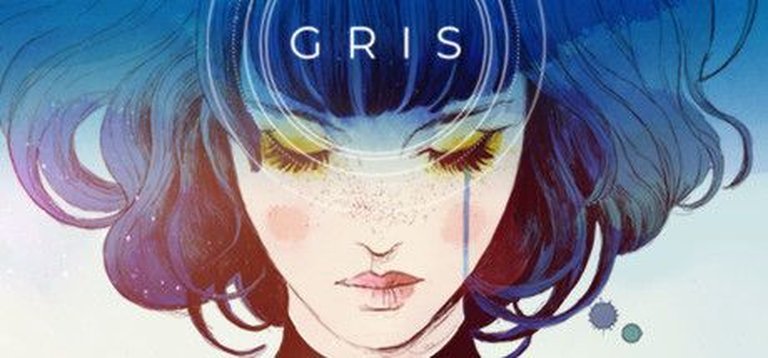
Gris is a serene puzzle-platformer where players guide a young woman named Gris through a crumbling, colorless world. Having lost her voice, she slowly regains strength and symbolic abilities—like manipulating her dress to double-jump or withstand winds—allowing her to restore color and hope to the surreal landscapes. With no dialogue, combat, or traditional fail states, the narrative unfolds through evocative visuals, an adaptive score, and environmental puzzles, emphasizing exploration and emotional storytelling.
Gameplay Videos
Where to Buy Gris
Gris Cracks & Fixes
Gris Patches & Updates
Gris Mods
Gris Guides & Walkthroughs
Gris Reviews & Reception
opencritic.com (66/100): Gris’s visual appeal hinders as much as it helps its exploration of grief.
opencritic.com (65/100): Gris’s beautiful exterior hides a simple, at times confusing, platformer.
opencritic.com : An artful puzzle platformer that’ll stay with you long after its short running time.
opencritic.com (83/100): Offers a well-crafted invitation for exploration on multiple levels, though Gris is neither a walk in the park nor a brain-wringing title
opencritic.com (90/100): Gris is a beautiful and tranquil platformer that relishes in the simple pleasure of exploring its enchanting world.
opencritic.com : Gris will only take you a handful of hours to play from start to finish, but I can’t recommend it strongly enough. I only wish the experience lasted longer.
opencritic.com (90/100): GRIS is, simply put, one of this year’s masterpieces.
opencritic.com : I’m sort of cross with it! But also want to play it again! Because it might be the most stunning game I have ever seen! Argh!
opencritic.com (90/100): We’re very careful when we use this word, but Gris is a masterpiece. Its jaw-dropping visual style and heart-wrenching score combine for one of the most emotional pieces of interactive art you’ll ever play.
opencritic.com (65/100): As an audio and visual package, Gris is stunning. However some missteps in gameplay prevent it from being something special.
opencritic.com (60/100): Gris plays to your aural and optical senses by delivering something exquisite in that area, but lacks a compelling story to prop itself up alongside equivalents.
opencritic.com (95/100): Go play this game, and if you have a chunk of time, play it all at once. Spanish developer Nomada Studio has created something truly special.
opencritic.com (95/100): To call this a simple 2D platforming video game would be to discredit the meticulous work and passion the developers put into this title, not to mention the breathtaking craftsmanship and mental health story you travel on with Gris.
opencritic.com (85/100): A tranquil and serene game in the flavour of Journey or Inside, that is as beautiful as it can be.
opencritic.com : You won’t want the experience to end, but when it does, it will stick in your head due its poignant atmosphere and incredible visuals. It’s just a shame that it only lasted around three hours.
opencritic.com (70/100): A stunning visual achievement
metacritic.com (100/100): GRIS is not only a perfectly designed puzzle-platformer, it’s a title that whisks the player away on a journey of colorful catharsis.
metacritic.com (100/100): Between the gorgeous artwork, haunting score, and increasingly abstract world, it manages to take you on a journey through depression that words alone never could.
metacritic.com (100/100): The true beauty of a minimalist story tied with absolutely stunning visuals and emotionally resonant music make for a genuine masterpiece.
metacritic.com (100/100): The combination of imagery, art, music, and storytelling make GRIS understated but exquisite.
metacritic.com (100/100): Other games may have it beat in terms of pure gameplay, but GRIS is in a league of its own as a gaming experience.
metacritic.com (100/100): GRIS is best experienced as single-sitting five-hour adventure and after that there’s nothing more to do really do with the game.
metacritic.com (95/100): GRIS is a true work of art because it isn’t only beautiful, but also meaningful.
metacritic.com (90/100): We’re very careful when we use this word, but Gris is a masterpiece.
metacritic.com (90/100): With its striking evocative force, GRIS not only pleases the eyes, thanks to Conrad Roset’s beautiful art style, but speaks to all of our senses.
ign.com (65/100): Gris is a visual masterpiece. It’s a living watercolour illustration that explores the complex themes of loss and grief through a visually arresting world and affecting orchestral score.
gamespot.com (90/100): Gris is a beautiful and tranquil platformer that relishes in the simple pleasure of exploring its enchanting world.
gamespot.com (80/100): I love artsy games. Some times it’s nice just to sit back and play a casual game that is a visual treat.
gamespot.com (100/100): Gris blends art, music, and gameplay for an beautiful and emotionally engaging experience.
gamespot.com (80/100): There’s this moment in ‘Gris,’ later in the game that I get lost in its momentum.
gamespot.com (90/100): There is a high degree of difficulty trying to affect people without using words or speach.
gamespot.com (100/100): This is a masterpiece.
gamespot.com (90/100): Like the old saying never judge a game by its cover
Gris: Review
Gris, developed by the Spanish studio Nomada Studio and published by Devolver Digital, is a masterclass in emotional storytelling through gameplay. Released in December 2018, Gris quickly garnered critical acclaim for its unique art style, haunting soundtrack, and deeply resonant narrative. This review will delve into the various aspects that make Gris a standout title in the indie gaming landscape, from its development history to its lasting legacy.
Development History & Context
Nomada Studio, founded by Roger Mendoza, Adrián Cuevas, and Conrad Roset, came together after a chance meeting at a going-away party for Cuevas. The trio, each bringing their unique skills—game development and artistic prowess—decided to create an independent game that would blend their passions. The studio’s debut title, Gris, was envisioned as a mix of Journey and Ori and the Blind Forest, focusing on accessibility and emotional depth.
The game was designed with a minimalist approach, featuring no fail states, which proved challenging during development. The team consulted with a psychologist to ensure the narrative themes of grief and depression were authentically portrayed. The art style, created by Conrad Roset, posed unique problems, such as designing early areas that were appealing despite the game’s initial monochromatic palette. The team took inspiration from Iwagumi-style aquariums to solve this issue. The game’s title, Gris, is a nod to the protagonist’s name and the Spanish word for “gray,” reflecting the game’s color palette and themes.
Narrative & Thematic Deep Dive
Gris follows a young girl named Gris who awakens in the palm of a crumbling statue of a woman. After losing her voice, she embarks on a journey through a surreal, hand-drawn landscape, gradually regaining her strength and abilities. The narrative is conveyed wordlessly through imagery, music, and animation, depicting Gris’ personal struggle and gradual recovery.
The game is structured around the five stages of grief: denial, anger, bargaining, depression, and acceptance. Each stage is represented by a different color and environment, reflecting Gris’ emotional state. The story reaches its climax when Gris confronts a monstrous form of herself, symbolizing her suppressed fears. With the help of her mother’s spirit, Gris overcomes her grief and restores color and life to her world.
Gameplay Mechanics & Systems
Gris is a puzzle-platformer that emphasizes fluid movement and environmental interaction. The core gameplay loop involves exploring dreamlike landscapes, solving light puzzles, and using newly acquired abilities to progress. Gris begins with basic locomotion—walking, running, and jumping—and gradually gains new powers tied to her dress transformations. These abilities include turning into a heavy block to withstand strong winds, transforming into a light form to double jump, and swimming freely through water.
The game features generous checkpoints and no combat mechanics, damage systems, or traditional failure states. Instead, it focuses on fluid movement, environmental interaction, and discovery. Collectible light fragments serve as guides, forming constellations that unlock access to new regions. The absence of death and enemies shifts the emphasis toward atmosphere and problem-solving, making Gris approachable while still offering secrets for thorough explorers.
World-Building, Art & Sound
Gris’ world is presented as a series of interconnected areas, each with distinct visual motifs and challenges. The art style is hand-drawn and watercolor-inspired, evolving from monochromatic desolation to vibrant, blooming scenery as Gris progresses. The soundtrack, composed by Berlinist, complements the visuals, emphasizing themes of loss, healing, and resilience without relying on text or dialogue.
The game’s audio design, led by Rubén Rincón, provides ambient effects that ground the abstract environments, such as whispering winds and crumbling stone debris. The protagonist’s voice restoration is depicted through ethereal vocal cues, adding to the game’s emotional depth. The dynamic layering of the audio allows it to respond interactively to player actions and environmental shifts, creating an intimate, reflective experience.
Reception & Legacy
Gris received generally favorable reviews upon its release, earning aggregate scores of 84/100 on Metacritic for the PC version, 83/100 for the Nintendo Switch version, and 82/100 for the PlayStation 4 version. Critics praised the game’s emotional depth, hand-painted watercolor art style, and accessible platforming mechanics. The game’s stunning visuals and orchestral score were frequently cited as standout elements, blending seamlessly to immerse players in a meditative experience.
Gris has significantly influenced the indie gaming scene by exemplifying emotional, narrative-driven experiences that prioritize artistic expression over traditional gameplay mechanics. Its success has inspired a wave of similar titles that explore personal introspection and visual storytelling. The game’s acclaim elevated Nomada Studio’s reputation, paving the way for their subsequent project, Neva, which builds on Gris’ artistic legacy.
Conclusion
Gris is a testament to the power of video games as a medium for emotional storytelling. Its unique art style, haunting soundtrack, and deeply resonant narrative make it a standout title in the indie gaming landscape. The game’s focus on accessibility and emotional depth has influenced subsequent titles and solidified its place in video game history. Gris is more than just a game; it is an experience that stays with players long after they have finished it. For those seeking a poignant and visually stunning journey, Gris is a must-play.