
- Release Year: 2001
- Platforms: Linux, Macintosh, Windows
- Publisher: Freeware / Free-to-play / Public Domain
- Developer: Open Source
- Genre: Action, Music, rhythm
- Perspective: 3rd-person
- Game Mode: Online PVP, Single-player
- Gameplay: Music, rhythm
- Average Score: 85/100
Description
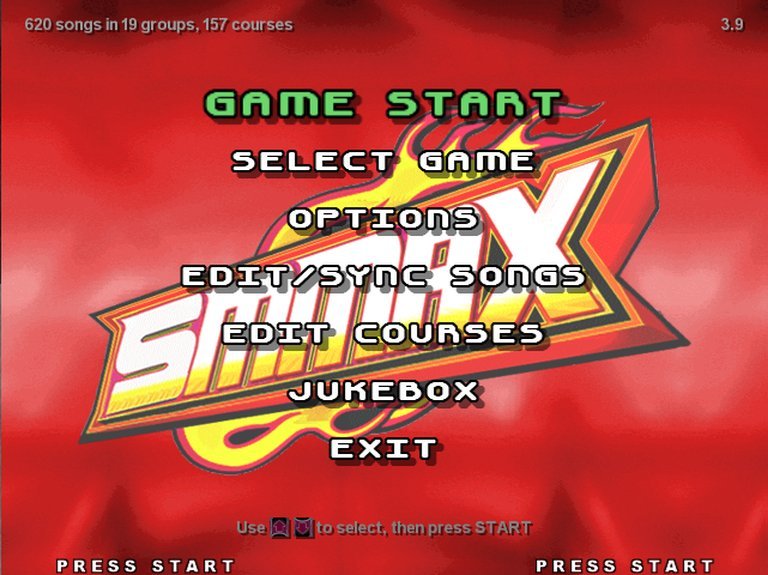
StepMania is an open-source rhythm video game and engine inspired by Dance Dance Revolution (DDR). Players use dance mats or keyboards to hit directional arrows synchronized to music across customizable tracks, with options for multiplayer and internet play. Featuring adjustable difficulty, diverse music styles, themes, and visual effects, it offers a free-to-play cross-platform experience on Windows, macOS, and Linux, appealing to both casual players and rhythm game enthusiasts.
Gameplay Videos
StepMania Free Download
StepMania Guides & Walkthroughs
StepMania Reviews & Reception
mobygames.com (85/100): StepMania is an Open Source clone of the commercial title Dance Dance Revolution (DDR).
StepMania: Review
StepMania, a rhythm game that has left an indelible mark on the gaming landscape, stands as a testament to the power of open-source development and community-driven innovation. Released in 2001, this game has evolved from a simple clone of Dance Dance Revolution (DDR) into a versatile and extensible rhythm game engine. This review will delve into the intricate details of StepMania, exploring its development history, gameplay mechanics, thematic depth, and enduring legacy.
Introduction
In the early 2000s, rhythm games like Dance Dance Revolution captivated audiences with their unique blend of music and physical challenge. StepMania, an open-source clone of DDR, emerged as a groundbreaking title that allowed players to experience the thrill of rhythm gaming on their personal computers. Developed by Chris Danford and a team of dedicated contributors, StepMania has since become a cornerstone of the rhythm gaming community, offering unparalleled customization and a vast array of features. This review aims to provide an in-depth analysis of StepMania, highlighting its strengths, innovations, and enduring impact on the gaming industry.
Development History & Context
Studio and Creators’ Vision
StepMania was initially conceived as an open-source clone of Konami’s popular arcade game series, Dance Dance Revolution. The project was led by Chris Danford, who envisioned a game that would not only replicate the experience of DDR but also expand upon it with new features and customization options. The development team, consisting of volunteers from the open-source community, worked tirelessly to bring Danford’s vision to life.
Technological Constraints of the Era
The early 2000s presented significant technological challenges for game developers. Computers were less powerful, and internet connectivity was not as ubiquitous as it is today. Despite these constraints, the StepMania team managed to create a game that was both visually impressive and technically robust. The use of open-source software allowed the team to leverage existing technologies and community contributions, accelerating the development process.
Gaming Landscape at the Time of Its Release
The gaming landscape in 2001 was dominated by console games, with titles like “Grand Theft Auto III” and “Halo: Combat Evolved” capturing the attention of gamers worldwide. Rhythm games, while popular in arcades, had yet to make a significant impact on the PC gaming scene. StepMania’s release filled this void, offering a unique and engaging experience that appealed to both casual and hardcore gamers.
Narrative & Thematic Deep Dive
Plot and Characters
StepMania does not have a traditional narrative or characters in the same way that story-driven games do. Instead, it focuses on the player’s experience and the challenge of mastering the game’s rhythms. The absence of a linear plot allows players to immerse themselves in the music and the physical act of playing, creating a more personal and immersive experience.
Dialogue and Themes
The dialogue in StepMania is minimal, consisting mainly of announcer comments that provide feedback during gameplay. These comments serve to enhance the player’s engagement with the game, offering encouragement and guidance as they progress. Thematically, StepMania explores the relationship between music and movement, challenging players to synchronize their actions with the rhythm of the songs. This theme of harmony and coordination is central to the game’s design and appeals to players of all skill levels.
Gameplay Mechanics & Systems
Core Gameplay Loops
The core gameplay of StepMania revolves around the player’s ability to match the timing of on-screen arrows with the beat of the music. Players use a dance mat or keyboard to input their responses, with the goal of achieving a high score by accurately timing their actions. The game features a variety of difficulty settings, allowing players to gradually improve their skills and take on more challenging songs.
Combat and Character Progression
Unlike traditional games, StepMania does not feature combat or character progression in the conventional sense. Instead, players progress by mastering new songs and difficulty levels, earning higher scores and achieving better rankings. The game’s scoring system is designed to reward precision and consistency, encouraging players to refine their skills and strive for perfection.
User Interface
StepMania’s user interface is intuitive and customizable, allowing players to tailor their experience to their preferences. The game features a wide range of themes, graphics, and effects, enabling players to create a unique and personalized gaming environment. The interface is designed to be accessible to both novice and experienced players, with clear instructions and feedback mechanisms.
Innovative and Flawed Systems
One of StepMania’s most innovative features is its support for custom songs and stepfiles. Players can create their own dance patterns for any song in .ogg or .mp3 format, using the game’s comprehensive step editor. This feature has led to the creation of a vast and diverse library of user-generated content, enriching the game’s replayability and appeal. However, the game’s reliance on community-contributed content can sometimes result in inconsistencies and quality issues, as not all stepfiles are created equal.
World-Building, Art & Sound
Setting and Atmosphere
StepMania’s setting is primarily determined by the songs and themes chosen by the player. The game’s customizable nature allows for a wide range of visual and auditory experiences, from upbeat and energetic to mellow and introspective. The atmosphere of the game is heavily influenced by the music, with the visuals serving to enhance and complement the player’s experience.
Visual Direction
The visual direction of StepMania is characterized by its use of custom themes and graphics. Players can choose from a variety of pre-made themes or create their own, using the game’s Lua scripting backend. This level of customization allows for a diverse and dynamic visual experience, with each theme offering a unique aesthetic and gameplay style.
Sound Design
The sound design of StepMania is centered around the music, with the game’s audio engine supporting a wide range of formats and effects. The game features real-time lyrics, which display on the opposite side of the screen for stepfiles that have accompanying lyric data. This feature enhances the player’s immersion in the music, allowing them to sing along and engage with the lyrics as they play.
Reception & Legacy
Critical and Commercial Reception at Launch
Upon its release, StepMania received critical acclaim for its innovative gameplay and customization options. Critics praised the game’s ability to replicate the experience of DDR on a personal computer, as well as its support for user-generated content. The game’s open-source nature allowed it to gain a dedicated following, with players contributing to its development and expansion.
Evolution of Reputation
Over the years, StepMania’s reputation has continued to grow, with the game becoming a staple of the rhythm gaming community. Its open-source nature has allowed it to evolve and adapt, with new features and improvements being added by the community. The game’s enduring popularity is a testament to its innovative design and the dedication of its developers and players.
Influence on Subsequent Games and the Industry
StepMania’s influence can be seen in a variety of subsequent games and the industry as a whole. Its open-source nature has inspired other developers to create and share their own rhythm games, leading to a diverse and vibrant community of rhythm gaming enthusiasts. The game’s support for user-generated content has also set a standard for customization and player engagement, influencing the design of other games in the genre.
Conclusion
StepMania stands as a testament to the power of open-source development and community-driven innovation. From its humble beginnings as a clone of Dance Dance Revolution, the game has evolved into a versatile and extensible rhythm game engine, offering unparalleled customization and a vast array of features. Its enduring legacy is a testament to its innovative design and the dedication of its developers and players. StepMania’s place in video game history is secure, and its influence will continue to be felt for years to come.