
- Release Year: 2022
- Platforms: PlayStation 4, Quest, Windows
- Publisher: MiroWin LLC, PM Studios, Inc.
- Developer: MiroWin LLC
- Genre: Action, Shooter
- Perspective: 1st-person
- Gameplay: Motion control
- Setting: City – Vladivostok
- Average Score: 87/100
- VR Support: Yes
Description
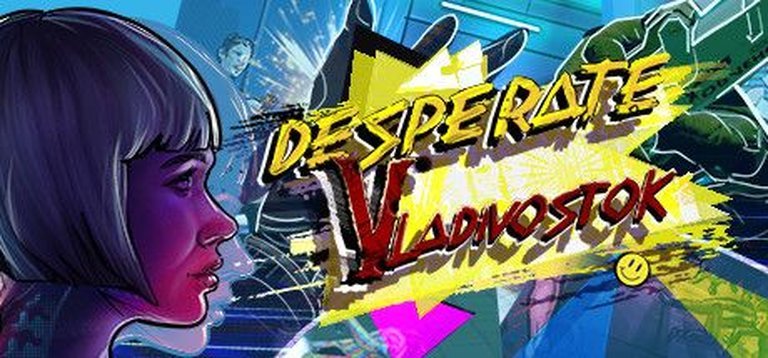
Desperate: Vladivostok is a Bullet Hell VR action game set in the post-Soviet era, offering a cyberpunk atmosphere during the Perestroika period. Players take on the role of a contract killer, navigating through a world of primal ultraviolence, furious fights, and adrenaline-fueled gunfights. The game features 46 hand-crafted scenes of intense combat, a unique dynamic soundtrack for each mission, and a separate arena mode to prove your skills against other players. The setting is the city of Vladivostok, where you must claw your way to the destruction of a political organized criminal group and its leader.
Gameplay Videos
Desperate: Vladivostok Guides & Walkthroughs
Desperate: Vladivostok Reviews & Reception
store.steampowered.com (87/100): Genre-busting VR experience like no other coming this summer
xrsource.net : In any case, in its current form don’t buy the PSVR version, you have been warned.
Desperate: Vladivostok: A Post-Soviet VR Bullet Hell Experiment
Introduction
In the crowded landscape of VR shooters, Desperate: Vladivostok dares to be different—a frenetic, neon-soaked bullet hell experience set against the backdrop of a collapsing Soviet Union. Developed by Ukrainian studio MiroWin and published by PM Studios, this game blends primal ultraviolence with a cyberpunk-infused criminal odyssey. But does its ambitious fusion of genre and setting hold up under the weight of its technical ambitions? This review argues that Desperate: Vladivostok is a flawed yet fascinating artifact of VR experimentation, offering fleeting brilliance amid uneven execution.
Development History & Context
A Studio Forged in Crisis
MiroWin, founded in 2017, positioned itself as a VR-focused developer with titles like Boiling Steel and Guns’n’Stories: Bulletproof VR. Desperate: Vladivostok emerged during one of Ukraine’s darkest periods: the 2022 Russian invasion. In an interview with IGN, CEO Vladimir Kozinyi described the team’s harrowing reality—working under air raids, curfews, and economic instability. Yet, the game’s development persisted, supported by collaborations with U.S.-based PM Studios.
Technological Ambitions
Built on Unreal Engine 4 with PhysX physics, Desperate: Vladivostok targeted VR platforms (Meta Quest, PSVR, and PC VR) during a transitional era for headset hardware. Its design leaned into motion-controlled chaos, a risky choice given VR’s historically finicky input systems. The studio’s vision—to marry fast-paced bullet hell mechanics with visceral melee combat—demanded precision that even veteran developers struggle to achieve.
Narrative & Thematic Deep Dive
A Torpedo in the Trenches
You play as a “torpedo”—a contract killer navigating Vladivostok’s criminal underworld during the Perestroika era. The plot centers on dismantling a political crime syndicate, aided by an android companion whose humanity mirrors your own cybernetic modifications. The narrative unfolds through comic-style cutscenes and sparse dialogue, evoking a bleak, nihilistic tone reminiscent of Hotline Miami’s blood-soaked vignettes.
Themes of Decay and Defiance
The game’s post-Soviet cyberpunk setting is its most compelling element. Neon-lit slums clash with Soviet brutalist architecture, embodying societal collapse. Themes of moral erosion and desperation permeate every interaction: your protagonist isn’t a hero but a weapon clawing through chaos. However, the storytelling feels underbaked—a missed opportunity to explore the era’s socio-political tensions more deeply.
Gameplay Mechanics & Systems
Bullet Hell Meets Brawling
Desperate: Vladivostok pitches itself as a “combat puzzle,” demanding players shoot, dodge, and smash through 46 handcrafted scenarios. The lack of manual reloading encourages frenetic weapon-swapping, while melee objects like crowbars and bottles add brawler flair.
- Strengths: The arena mode shines, offering score-attack chaos with dynamic enemy waves. The 37 Steam Achievements reward mastery, and the leaderboard system fuels competition.
- Flaws: Motion controls are inconsistent, particularly on PSVR. The tutorial is poorly communicated, and campaign progression bugs (noted in XR Source’s review) mar the experience.
Music as a Weapon
Each level features a unique soundtrack that syncs with gameplay tempo—a standout innovation. The throbbing electronic beats amplify the frenzied combat, though audio mixing sometimes drowns out critical sound cues.
World-Building, Art & Sound
Aesthetic Collisions
The game’s visual identity blends Soviet decay with cyberpunk excess. Pixelated comic panels punctuate the action, while environments juxtapose rusted industrial zones with glowing neon underbellies. Though budget constraints show in texture quality, the art direction sells the dystopian vibe.
Sound Design’s Highs and Lows
Dynamic music elevates the mood, but voice acting falters. Russian and English voice lines oscillate between stiff and unintentionally campy, undercutting the gritty narrative.
Reception & Legacy
A Divided Response
The Steam version earned a “Very Positive” rating (87% of 71 reviews), praised for its intensity and originality. Conversely, the PSVR port was panned for bugs and clunky controls. Curator reviews highlighted its niche appeal, with phrases like “genre-busting” and “adrenaline-fueled” recurring.
Influence and Limitations
While not a commercial blockbuster, Desperate: Vladivostok exemplifies the creative risks indie studios take in VR. Its marriage of bullet hell and post-Soviet aesthetics could inspire future titles, though its technical shortcomings serve as a cautionary tale.
Conclusion
Desperate: Vladivostok is a game of contradictions: brilliant in concept, uneven in execution. Its setting and soundtrack are unforgettable, and the arena mode delivers pure VR euphoria. Yet, bugs and control issues—especially on PSVR—hold it back from greatness. For VR enthusiasts hungry for raw, unfiltered chaos, it’s worth the $4.49 sale price. For others, it remains a fascinating footnote in the medium’s evolution—a testament to artistry forged under desperate circumstances.
Final Verdict: A flawed but bold experiment that carves a bloody niche in VR history.