
- Release Year: 2017
- Platforms: Android, iPad, iPhone, Macintosh, Windows
- Publisher: Adventure Islands
- Developer: Adventure Islands
- Genre: Action, Puzzle
- Perspective: Side view
- Game Mode: Single-player
- Gameplay: Character Switching, Color-based Mechanics, Platformer, Puzzle-solving
- Average Score: 91/100
Description
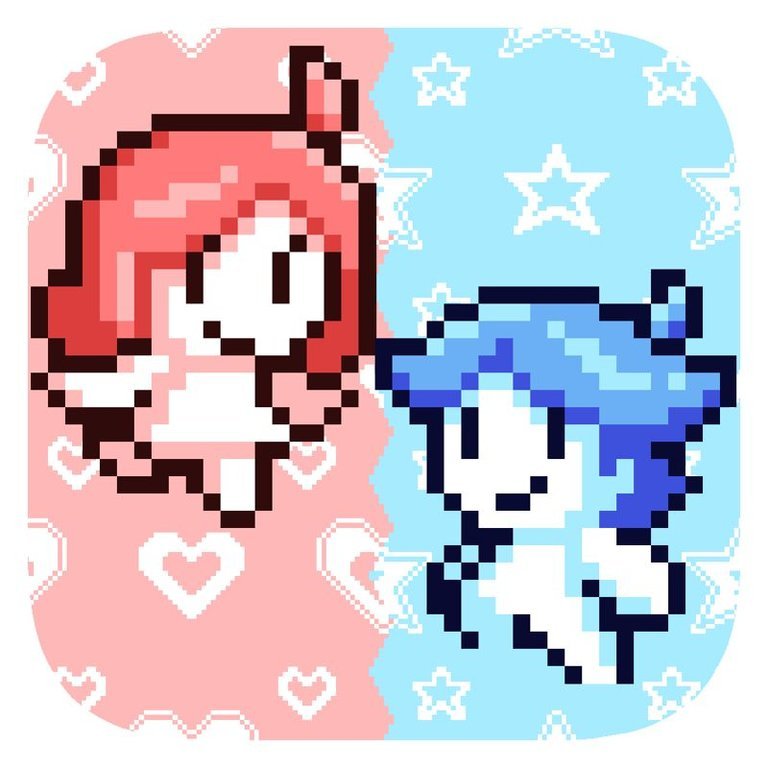
Heart Star is a puzzle-platformer game where players control two characters, Heart and Star, who exist in separate color-coded worlds. The goal is to navigate both characters to a shared endpoint by strategically switching between them, as Heart can only traverse red platforms and Star can only use blue ones. This cooperative mechanic emphasizes teamwork through environmental puzzles, set across 100+ levels in a vibrant, stylized world. Originally developed as a Flash game for Ludum Dare 30 in 2014, it was remade for iOS, Android, and later PC/Mac.
Gameplay Videos
Where to Buy Heart Star
PC
Heart Star Guides & Walkthroughs
Heart Star Reviews & Reception
steambase.io (96/100): Heart Star has earned a Player Score of 96 / 100.
store.steampowered.com (96/100): Very Positive (96% of 75 user reviews for this game are positive).
dommiesblessed.com : A game every stay-at-home mom should play, teaching valuable life lessons like teamwork and different perspectives.
game-solver.com (80/100): A bright and smart platformer with a lot going for it.
taptap.io (92/100): A cute puzzle platformer game about two lovable characters jumping around in their own dimensions while helping the other one too, to clear the level.
Heart Star: Review
In the vast landscape of indie gaming, few titles have captured the hearts of players quite like Heart Star. Developed by the Finnish indie studio Adventure Islands, Heart Star is a delightful puzzle-platformer that combines charming visuals, engaging gameplay, and a heartwarming narrative. Released initially on mobile platforms in 2017 and later ported to PC in 2020, Heart Star has garnered a dedicated following and critical acclaim for its unique mechanics and endearing presentation. This review will delve into the various facets of Heart Star, examining its development history, narrative depth, gameplay mechanics, world-building, and lasting legacy.
Development History & Context
The Studio and Creators
Heart Star is the brainchild of Jussi Simpanen, an illustrator, character designer, and indie game developer based in Finland. Simpanen, under the banner of Adventure Islands, has a knack for creating visually appealing and mechanically sound games. Heart Star is not his first foray into game development; he has previously worked on titles like Tiny Dangerous Dungeons and Total Party Kill, both of which share a similar aesthetic and attention to detail.
Simpanen’s vision for Heart Star was to create a game that emphasized teamwork and cooperation, both in gameplay and narrative. The game’s development began as a browser-based project for the Ludum Dare 30 game jam in 2014, where developers are challenged to create a game over a weekend. The original version, created using Adobe Flash, laid the groundwork for what would become Heart Star.
Technological Constraints and Gaming Landscape
The gaming landscape in 2017 was ripe for the kind of innovative, accessible gameplay that Heart Star offered. Mobile gaming was on the rise, with platforms like the App Store and Google Play becoming hubs for indie developers to showcase their work. The technological constraints of the era, particularly in mobile gaming, required developers to create games that were both visually appealing and mechanically sound without being overly demanding on hardware.
Heart Star was developed using Stencyl, a game development platform that allowed Simpanen to create a game with retro pixel graphics and a catchy retro soundtrack. The game’s fixed/flip-screen perspective and side-view design were choices that not only fit the retro aesthetic but also made the game accessible to a wide audience, including those with older devices.
Narrative & Thematic Deep Dive
Plot and Characters
Heart Star’s narrative is deceptively simple yet deeply resonant. The game follows two characters, Heart and Star, who are trapped in separate worlds. Heart, a pink-haired character, is confined to the pink heart world, while Star, a blue-haired character, is restricted to the blue star world. Their goal is to reunite at the golden torch, a symbol of their connection.
The narrative is an excuse plot, serving as a backdrop for the game’s core mechanics. However, it is executed with such charm and simplicity that it becomes a integral part of the game’s appeal. The characters are designed to be endearing and relatable, with Heart and Star embodying the themes of cooperation and mutual support.
Dialogue and Themes
The dialogue in Heart Star is minimal, but what little there is serves to enhance the game’s themes. The characters communicate through simple, heartfelt exchanges that emphasize the importance of teamwork and understanding. The game’s themes of cooperation, empathy, and perseverance are woven into every aspect of the narrative, making Heart Star a game that resonates on multiple levels.
The game’s ending, where Heart and Star finally reunite on a purple moon platform, is a poignant moment that underscores the game’s themes. The characters, holding hands and staring into each other’s eyes, symbolize the power of connection and the rewards of perseverance.
Gameplay Mechanics & Systems
Core Gameplay Loops
Heart Star’s core gameplay loop revolves around switching between the two characters and using their unique abilities to overcome obstacles. The game’s levels are designed as puzzles that require strategic thinking and precise timing. Players must navigate through each level, using the characters’ abilities to reach the golden torch.
The game’s mechanics are intuitive and easy to learn, but mastering them requires practice and patience. The levels start simple but gradually increase in complexity, challenging players to think creatively and adapt to new situations. The game’s fixed/flip-screen perspective adds an extra layer of challenge, as players must often plan their moves several steps ahead.
Combat and Character Progression
Heart Star is not a combat-focused game, but it does feature elements of challenge and risk. The characters are one-hit-point wonders, meaning they can be defeated by a single mistake. This mechanic adds a layer of tension to the gameplay, as players must be careful and precise in their movements.
There is no traditional character progression in Heart Star. Instead, the game focuses on teaching players new mechanics and strategies as they progress through the levels. This approach keeps the gameplay fresh and engaging, as players are constantly learning and adapting.
UI and Innovative Systems
The user interface in Heart Star is clean and unobtrusive, allowing players to focus on the gameplay. The game’s controls are simple and responsive, making it easy for players to switch between characters and execute their moves.
One of the game’s innovative systems is its world-swapping mechanic. Players can switch between Heart and Star’s worlds at any time, allowing them to see different obstacles and challenges. This mechanic adds depth to the gameplay, as players must often switch between worlds to solve puzzles and overcome obstacles.
World-Building, Art & Sound
Setting and Atmosphere
Heart Star’s setting is a whimsical, otherworldly landscape filled with colorful platforms, moving obstacles, and hidden secrets. The game’s art style is retro pixel graphics, which gives it a timeless, nostalgic feel. The worlds of Heart and Star are distinct yet complementary, with each character’s world featuring unique visual elements and challenges.
The game’s atmosphere is one of wonder and discovery. The levels are designed to be visually appealing, with each screen featuring a mix of colorful platforms, moving obstacles, and hidden secrets. The game’s soundtrack, composed by Christina Antoinette Neofotistou, complements the visuals perfectly, with catchy, upbeat tunes that enhance the gameplay experience.
Visual Direction and Sound Design
The visual direction in Heart Star is consistent and cohesive, with each element of the game’s design working together to create a harmonious whole. The game’s pixel art is detailed and expressive, with each character and object featuring a unique design. The game’s color palette is vibrant and varied, with each world featuring its own distinct color scheme.
The sound design in Heart Star is equally impressive, with a catchy retro soundtrack that complements the game’s visuals perfectly. The game’s sound effects are subtle but effective, with each action and event accompanied by a satisfying audio cue. The game’s music and sound effects work together to create an immersive and engaging experience.
Reception & Legacy
Critical and Commercial Reception
Upon its release, Heart Star received critical acclaim for its unique mechanics, charming visuals, and engaging narrative. Critics praised the game’s emphasis on teamwork and cooperation, as well as its retro-inspired design. The game was awarded the Pocket Gamer Silver Award, with the reviewer describing it as “a bright and smart platformer with a lot going for it.”
Commercially, Heart Star was a success, particularly on mobile platforms. The game’s simple yet engaging gameplay made it accessible to a wide audience, and its charming visuals and narrative resonated with players. The game’s port to PC in 2020 further expanded its reach, with positive reviews on platforms like Steam.
Influence on Subsequent Games and the Industry
Heart Star’s influence can be seen in subsequent games that emphasize teamwork and cooperation. Its unique world-swapping mechanic and retro-inspired design have inspired other indie developers to create games with similar themes and aesthetics. The game’s success also highlighted the potential of mobile gaming as a platform for innovative and engaging experiences.
Heart Star’s legacy is one of innovation and charm. Its unique mechanics, engaging narrative, and retro-inspired design have made it a standout title in the indie gaming landscape. The game’s emphasis on teamwork and cooperation has resonated with players, making it a beloved and enduring classic.
Conclusion
Heart Star is a testament to the power of simple, engaging gameplay and charming design. Its unique mechanics, engaging narrative, and retro-inspired aesthetic have made it a standout title in the indie gaming landscape. The game’s emphasis on teamwork and cooperation has resonated with players, making it a beloved and enduring classic.
In the ever-evolving world of video games, Heart Star stands as a beacon of innovation and charm. Its legacy is one of inspiration and influence, with its unique mechanics and engaging narrative continuing to inspire and delight players. Whether you’re a fan of puzzle-platformers, retro-inspired design, or heartwarming narratives, Heart Star is a game that deserves a place in your library. Its enduring appeal is a testament to the power of simple, engaging gameplay and the timeless charm of indie gaming.