
- Release Year: 2014
- Platforms: Windows
- Publisher: Kingstill International Software Services Ltd.
- Developer: Sunlight Games GmbH
- Genre: Simulation
- Perspective: 3rd-person (Other)
- Game Mode: Single-player
- Gameplay: Business simulation, Managerial
- Setting: Game development
- Average Score: 36/100
Description
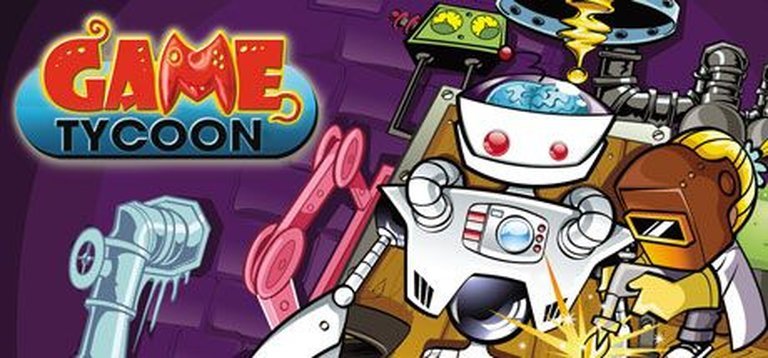
Game Tycoon 1.5 is a strategic and simulation game developed by Sunlight Games, released in 2014. Players assume the role of entrepreneurs in the gaming industry during the 1980s, navigating the complexities of game development. The game involves managing finances, responding to market demands, and competing against rivals, all while dealing with challenges from banks, investors, and the press. With cartoon-style graphics and an interactive advisor, Game Tycoon 1.5 offers a mix of strategic planning and resource management, set against the backdrop of a competitive gaming market.
Gameplay Videos
Where to Buy Game Tycoon 1.5
PC
Game Tycoon 1.5 Cracks & Fixes
Game Tycoon 1.5 Patches & Updates
Game Tycoon 1.5 Guides & Walkthroughs
Game Tycoon 1.5 Reviews & Reception
metacritic.com (80/100): I’ve had more fun and put more time into this small, 11 year old game, than in many modern critically acclaimed games.
Game Tycoon 1.5 Cheats & Codes
PC
Use PLITCH software to activate cheats.
| Code | Effect |
|---|---|
| Money +100.000 | Adds 100,000 money/resources |
Game Tycoon 1.5: Review
Introduction
In the crowded pantheon of business simulation games, Game Tycoon 1.5 (2014) stands as a curious relic—a title that ambitiously attempts to capture the chaos of game development but stumbles under the weight of its own flaws. Developed by Sunlight Games, this Windows-exclusive managerial sim arrived during a golden age of indie game development, yet its reception ranged from bemused tolerance to outright disdain. This review argues that Game Tycoon 1.5 is a fascinating case study in mismatched ambition and execution: a game that aspires to chronicle the rise of a ’80s-era gaming empire but falters due to clunky systems, missed opportunities, and a legacy overshadowed by superior competitors like Game Dev Tycoon.
Development History & Context
Studio Vision & Constraints
Sunlight Games GmbH, a German studio, positioned Game Tycoon 1.5 as an updated iteration of their 2003 original, aiming to refine gameplay and graphics. However, the technological constraints of the era are glaring: the game’s minimum specs (a Pentium 3 processor, 128MB RAM) suggest a project shackled by budget limitations. Built using the Gamestudio engine, it leans into simplistic, fixed-screen visuals reminiscent of early 2000s business sims like Airline Tycoon.
The 2014 Landscape
By 2014, the gaming industry had embraced indie development, with titles like Game Dev Tycoon (2013) setting a high bar for depth and polish. Game Tycoon 1.5 arrived in this climate as an underdog, but its lack of innovation and technical polish left it floundering. Its $0.99 price tag on Steam hinted at modest aspirations, yet even at that threshold, players expected a functional experience—a bar the game often failed to clear.
Narrative & Thematic Deep Dive
Plot & Characters
The game’s narrative premise is charmingly retro: three entrepreneurs in 1982 vie to dominate the nascent gaming industry. Players choose between caricatured protagonists—each with vague stat boosts—but their personalities rarely evolve beyond cartoonish stereotypes. The script leans heavily on humor, with animated characters delivering jokes about investors and market trends, though the writing often feels more grating than witty.
Themes & Satire
Game Tycoon 1.5 tries to critique the cutthroat nature of the gaming industry, with banks, press, and retailers pressuring players for results. However, its satire lacks bite. Unlike The Movies (2005), which skewered Hollywood’s excesses, this game settles for surface-level jabs at “greedy publishers” without deeper commentary. The result is a narrative that feels underbaked, failing to leverage its historical setting meaningfully.
Gameplay Mechanics & Systems
Core Loop: Chaos, Not Strategy
At its heart, Game Tycoon 1.5 is a resource-management sim where players juggle finances, staff, and technology across 11 missions. The “continuous play” mode promises endless replayability, but the systems are plagued by imbalance. Steam reviewers consistently noted broken economics: even optimal strategies could lead to bankruptcy due to unpredictable market swings and punishing loan mechanics.
Innovation vs. Frustration
The game’s sole standout feature is its interactive advisor, who offers tips—a crutch for its opaque systems. However, mission design lacks variety, reducing gameplay to repetitive checkbox-ticking (e.g., “develop an RPG for teens”). The UI, with its cramped menus and lack of tooltips, exacerbates the frustration.
Technical Issues
Bugs were rampant at launch, including crashes and save file corruption. While patches may have addressed some issues, the damage to its reputation was irreversible.
World-Building, Art & Sound
Visual Style: Charming Yet Dated
The cartoonish art direction is a double-edged sword. Characters are expressively animated, evoking Airline Tycoon’s slapstick charm, but environments lack detail, relying on static screens and generic office backdrops. The “evolution” of technology is represented through simplistic sprite changes, missing a chance to visually celebrate gaming history.
Sound Design: A Mixed Bag
Voice acting in English and German adds personality, though performances range from endearingly cheesy to grating. The soundtrack is forgettable, failing to evoke the ’80s synth-wave vibe that could have bolstered its nostalgia appeal.
Reception & Legacy
Launch Backlash
Game Tycoon 1.5 was eviscerated at release, earning an “Overwhelmingly Negative” rating on Steam (11% positive out of 661 reviews). Critics lambasted its broken economy, with one user quipping, “What kind of Tycoon game doesn’t let you earn money?” MetaCritic scores are absent, but player sentiment on GameRebellion averaged a dismal 14/100.
Long-Term Impact
The game’s legacy is minimal. While its predecessor (Game Tycoon, 2003) earned a cult following, the 1.5 update is largely forgotten. Its sole contribution was underscoring the importance of polish in the simulation genre—a lesson heeded by later successes like Two Point Hospital.
Conclusion
Game Tycoon 1.5 is a cautionary tale of unrealized potential. Its premise—a love letter to gaming’s wild west era—is compelling, but shoddy execution, baffling design choices, and technical incompetence render it more frustrating than fun. For historians, it offers a glimpse into the challenges of indie development; for players, it’s a curiosity best left in the past. Final verdict: A well-intentioned misfire that fails to capitalize on its promising concept.
Score: 3/10
For completionists only.