
- Release Year: 2001
- Platforms: Windows
- Publisher: StarWraith 3D Games LLC
- Developer: StarWraith 3D Games LLC
- Genre: Action, Simulation
- Perspective: First-person
- Game Mode: Single-player
- Gameplay: Campaign, Instant Action, Mercenary mode, Ship Customization, Space combat, Squadron Command
- Setting: Futuristic, Sci-fi
- Average Score: 80/100
Description
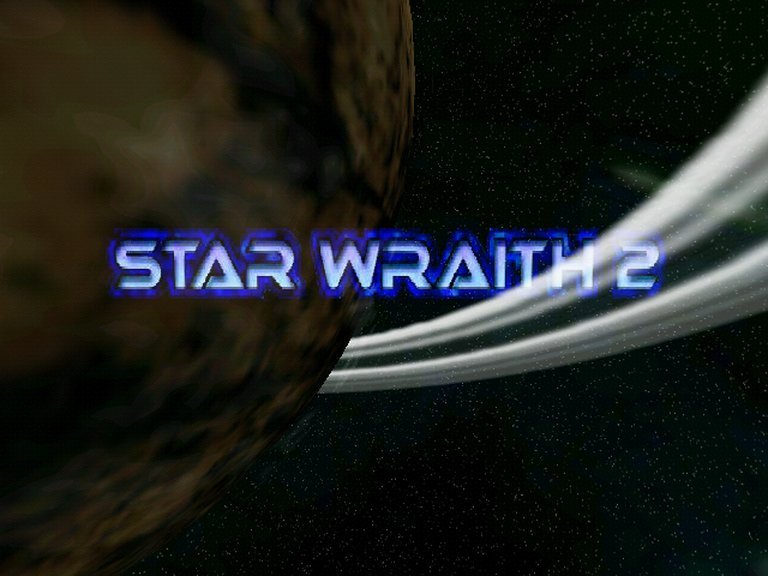
Star Wraith 2 is a space combat simulation game set in a futuristic sci-fi universe where players engage in aerial dogfights and strategic missions. As the second installment in the series, it expands upon its predecessor with three single-player modes: a story-driven campaign centered on the war between human factions (the Alliance and Federation), a mercenary mode requiring pilots to complete contracts for income and upgrades, and instant-action scenarios with customizable combat environments like asteroid fields and planetary atmospheres. Players command squadrons, select ship loadouts, and face diverse objectives, though multiplayer is notably absent.
Star Wraith 2 Free Download
Star Wraith 2 Reviews & Reception
mobygames.com (80/100): A triumphant return to form for the series.
Star Wraith 2: Review
Star Wraith 2, released in 2001, stands as a pivotal entry in the Star Wraith series, a franchise that has carved out a niche for itself in the space combat simulation genre. Developed by StarWraith 3D Games LLC, this game not only expanded on the mechanics of its predecessor but also introduced innovative gameplay modes that set it apart from other titles of its time. This review will delve into the game’s development history, narrative depth, gameplay mechanics, world-building, and its enduring legacy in the gaming industry.
Development History & Context
Studio and Creators’ Vision
StarWraith 3D Games LLC, founded by an individual with a passion for space combat simulations, has been a consistent force in the genre since the early 1990s. The studio’s journey began with simpler 2D games like Star Commander and Raven, gradually evolving into more complex 3D simulations with Star Wolf and ultimately Star Wraith. The creators’ vision for Star Wraith 2 was to build upon the foundations laid by its predecessor while introducing new elements that would enhance the gameplay experience.
Technological Constraints and Gaming Landscape
The early 2000s were a transitional period for the gaming industry, marked by the shift from 2D to 3D graphics. Star Wraith 2 was developed during this time, leveraging the capabilities of DirectX to deliver a more immersive 3D experience. The game’s use of 3D textured models, animated explosions, and a 3D spherical radar display were significant advancements for the time, setting a new standard for space combat simulations.
The gaming landscape in 2001 was dominated by titles like Wing Commander and Freelancer, which also focused on space combat. Star Wraith 2 differentiated itself by offering a more tactical and strategic approach to gameplay, with a focus on squadron management and mission variety.
Narrative & Thematic Deep Dive
Plot and Characters
Star Wraith 2 is set during a conflict between two human factions: the Alliance and the Federation. The player assumes the role of an Alliance pilot assigned to the Special Operations Wing, operating from the Lexington class carrier in the Alpha Centauri system. The narrative revolves around covert missions against Federation forces, with the player leading a squadron of Alliance fighters.
The game’s plot is relatively straightforward, serving as a backdrop for the gameplay mechanics. However, it introduces elements of intrigue and espionage, adding depth to the missions. The characters, while not deeply developed, serve their purpose in driving the narrative forward.
Dialogue and Themes
The dialogue in Star Wraith 2 is functional, providing necessary information and context for the missions. The game explores themes of loyalty, sacrifice, and the complexities of war. The conflict between the Alliance and the Federation is portrayed as a brutal civil war, with both sides suffering significant losses.
The introduction of the mercenary mode adds another layer to the narrative, exploring the motivations and ethics of those who fight for profit rather than ideology. This mode allows players to experience the game from a different perspective, highlighting the moral ambiguities of war.
Gameplay Mechanics & Systems
Core Gameplay Loops
Star Wraith 2 offers three main gameplay modes: campaign, mercenary, and instant action. Each mode provides a unique experience, catering to different playstyles.
-
Campaign Mode: This mode features a linear series of missions, with the player leading a squadron of Alliance fighters against Federation forces. The missions are varied, ranging from asteroid field battles to planetary assaults.
-
Mercenary Mode: In this mode, the player acts as a space pilot for hire, completing contract jobs to earn a living. The mercenary fighters are somewhat inferior to the military technology available in the campaign mode, adding an element of challenge and strategy.
-
Instant Action: This mode allows players to fly missions unrelated to any storyline. It includes three types of instant action: freeflight, random, and create mission. This mode is ideal for players who want to engage in quick, high-intensity combat without the constraints of a narrative.
Combat and Character Progression
Combat in Star Wraith 2 is fast-paced and tactical, with a focus on squadron management. The player can select ship types and armament for each mission, adding a layer of strategy to the gameplay. The combat environments are diverse, including asteroid fields, nebula clouds, and planetary atmospheres, each presenting unique challenges.
Character progression is handled through the upgrade of ships and equipment. In the mercenary mode, the money earned from successful jobs is used to maintain and upgrade the player’s ship, adding a resource management element to the gameplay.
UI and Innovative Systems
The user interface in Star Wraith 2 is intuitive and functional, providing all the necessary information without cluttering the screen. The 3D spherical radar display is a standout feature, offering a clear and concise overview of the battlefield.
The game’s innovative systems include the ability to hire and pay wingmen in the mercenary mode, adding a layer of realism and strategy to the gameplay. The instant action mode also introduces the concept of creating custom missions, allowing players to tailor their experience to their preferences.
World-Building, Art & Sound
Setting and Atmosphere
Star Wraith 2 is set in a futuristic sci-fi universe, with a focus on the conflict between the Alliance and the Federation. The game’s setting is richly detailed, with diverse environments ranging from asteroid fields to planetary surfaces. The atmosphere is tense and immersive, with a constant sense of danger and urgency.
Visual Direction
The visual direction of Star Wraith 2 is impressive for its time, with 3D textured models and animated explosions. The game’s graphics are a significant improvement over its predecessor, with a more detailed and realistic presentation. The use of DirectX allows for smooth and fluid gameplay, enhancing the overall experience.
Sound Design
The sound design in Star Wraith 2 is effective, with realistic sound effects and a tense soundtrack. The sound effects are immersive, with the roar of engines and the explosion of ships adding to the intensity of the combat. The soundtrack is composed of electronic and orchestral elements, creating a sense of urgency and excitement.
Reception & Legacy
Critical and Commercial Reception
Upon its release, Star Wraith 2 received positive reviews from critics, who praised its gameplay mechanics, visuals, and sound design. The game’s introduction of the mercenary mode was particularly well-received, adding a new dimension to the space combat simulation genre.
Commercially, Star Wraith 2 was a success, selling well and establishing the Star Wraith series as a significant player in the genre. The game’s legacy can be seen in subsequent titles, which continued to build upon its foundations.
Influence on Subsequent Games and the Industry
Star Wraith 2 has had a lasting influence on the space combat simulation genre, with its innovative gameplay modes and tactical approach to combat. The game’s introduction of the mercenary mode has been emulated by other titles, and its focus on squadron management and mission variety has set a new standard for the genre.
The game’s legacy can also be seen in the evolution of the Star Wraith series, with each subsequent title building upon the foundations laid by Star Wraith 2. The series has continued to innovate and evolve, with titles like Star Wraith 3: Shadows of Orion and Star Wraith 4: Reviction expanding on the gameplay mechanics and narrative depth of the original.
Conclusion
Star Wraith 2 is a landmark title in the space combat simulation genre, offering a rich and immersive experience that has stood the test of time. Its innovative gameplay modes, tactical combat, and detailed world-building have set a new standard for the genre, influencing subsequent titles and establishing the Star Wraith series as a significant player in the industry. Whether you’re a fan of space combat simulations or simply looking for a challenging and engaging gaming experience, Star Wraith 2 is a title that deserves your attention. Its place in video game history is secure, and its legacy continues to inspire and influence new generations of gamers and developers alike.