
- Release Year: 1998
- Platforms: DOS, Windows
- Publisher: Electronic Arts, Inc.
- Genre: Compilation
- Game Mode: Single-player
- Average Score: 73/100
Description
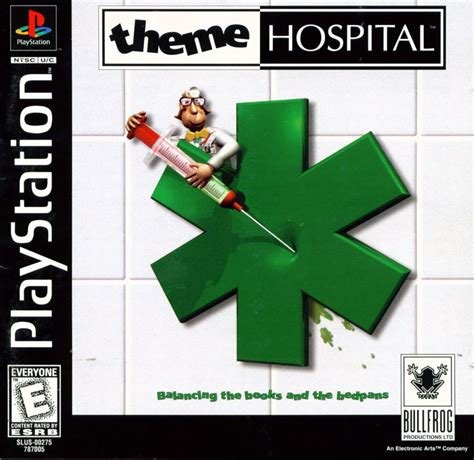
Theme Park / Theme Hospital is a compilation of two classic business simulation games developed by Bullfrog Productions and published by Electronic Arts. Theme Park, released in 1994, allows players to design and manage their own theme park, focusing on attracting visitors and maximizing profits. Theme Hospital, released in 1997, tasks players with building and operating a hospital to cure patients of humorous and fictional ailments, balancing staff management, research, and patient care.
Gameplay Videos
Where to Buy Theme Park / Theme Hospital
PC
Theme Park / Theme Hospital Patches & Updates
Theme Park / Theme Hospital Mods
Theme Park / Theme Hospital Guides & Walkthroughs
Theme Park / Theme Hospital Reviews & Reception
gamespot.com (55/100): Theme Hospital is at heart a god-game in the vein of SimCity or Populous.
metacritic.com (88/100): You can see from the game that the developers were thinking creatively, not in patterns.
mobygames.com (80/100): Very simple, but still highly addictive!
ign.com (70/100): Hilarious, deep, and hugely satisfying, Theme Hospital suffers from one major dilemma.
Theme Park / Theme Hospital Cheats & Codes
Theme Hospital PC
Enter codes at the fax machine screen by clicking the green ‘?’ box and typing the numbers, then press the green button.
| Code | Effect |
|---|---|
| 24328 | Enables the following cheats during gameplay |
| 7287 | Go to a rat shoot level after completing the current level |
| 7827 | Go to a secret level after completing the current level |
| Shift+C | Gain $2000 |
| Ctrl+C | All research completed |
| Ctrl+M | Skip to the end of the month |
| Ctrl+Y | Skip to the end of the year |
| Ctrl+E | Makes one emergency |
| Shift+1 | Extra patient |
| Shift+I | Change patients illness |
| Shift+Q | Causes an earthquake |
| Shift+E | Causes an emergency |
| Shift+L | Change patient’s appearance |
| Ctrl+S | Finish whatever you are currently researching |
| Ctrl+Shift+C | All items |
| F11 | Lose the game |
| F12 | Win the game |
Theme Hospital PlayStation
Enter level passwords on the menu screen to jump to the specified level.
| Code | Effect |
|---|---|
| CIRCLE, SQUARE, X, TRIANGLE, SQUARE, X, CIRCLE, SQUARE | Level 10 |
| TRIANGLE, CIRCLE, SQUARE, CIRCLE, TRIANGLE, SQUARE, CIRCLE, X | Level 11 |
| CIRCLE, SQUARE, X, X, SQUARE, CIRCLE, SQUARE, TRIANGLE | Level 12 |
| X, CIRCLE, SQUARE, TRIANGLE, TRIANGLE, CIRCLE, SQUARE, X | Level 2 |
| CIRCLE, CIRCLE, TRIANGLE, SQUARE, X, TRIANGLE, CIRCLE, TRIANGLE | Level 3 |
| SQUARE, TRIANGLE, CIRCLE, SQUARE, X, X, TRIANGLE | Level 4 |
| CIRCLE, TRIANGLE, SQUARE, CIRCLE, X, TRIANGLE, CIRCLE, SQUARE | Level 5 |
| SQUARE, TRIANGLE, SQUARE, CIRCLE, X, SQUARE, X, CIRCLE | Level 6 |
| SQUARE, TRIANGLE, TRIANGLE, CIRCLE, X, SQUARE, TRIANGLE, CIRCLE | Level 7 |
| X, TRIANGLE, SQUARE, CIRCLE, TRIANGLE, CIRCLE, SQUARE, X | Level 8 |
| TRIANGLE, SQUARE, X, TRIANGLE, CIRCLE, X, TRIANGLE, SQUARE | Level 9 |
Theme Park PC
Enter nickname at the startup screen to enable cheat mode.
| Code | Effect |
|---|---|
| HORZA | Enables cheat mode |
| Shift+C | Get $50,000 |
| Alt+Z | All rides |
| Ctrl+Z | All shops |
| Shift+Z | All facilities |
| DEMO | Start with a super park |
| BOVINE | Unlimited money |
Theme Park PlayStation
Enter nickname and password at the startup screen to enable cheat mode.
| Code | Effect |
|---|---|
| DEAD | Access everything |
| MIKE | Enter during play for extra money and items |
| HORZA | All rides available |
| zarkon | Australia and lots of cash |
| DST | Megabucks |
Theme Park / Theme Hospital: A Definitive Retrospective of Bullfrog’s Management Masterpieces
Introduction
In the pantheon of 1990s simulation games, few titles have aged as gracefully—or as hilariously—as Bullfrog Productions’ Theme Park (1994) and Theme Hospital (1997). Bundled together in Electronic Arts’ 1998 compilation Theme Park / Theme Hospital, these games redefined the management sim genre by marrying meticulous strategic depth with absurdist British humor. This review argues that Bullfrog’s duo represents a peak in accessible yet challenging simulation design, leveraging satire and systemic creativity to critique capitalism, bureaucracy, and human folly. Over 25 years later, their influence reverberates through modern spiritual successors like Two Point Hospital and Parkitect.
Development History & Context
The Bullfrog Vision
Founded by Peter Molyneux and Les Edgar in 1987, Bullfrog Productions became synonymous with innovative, player-driven experiences. After the success of Populous (1989) and Syndicate (1993), the studio turned its attention to the Theme series—a lineage of management sims beginning with Theme Park. Molyneux’s philosophy was clear: games should empower players to create, experiment, and fail spectacularly.
Theme Park emerged from Molyneux’s fascination with blending business strategy and playful chaos. The team visited real amusement parks, studying ride mechanics and visitor behavior, but opted for cartoonish exaggeration over realism. This approach carried into Theme Hospital, spearheaded by designer Mark Webley and artist Gary Carr. Despite Molyneux’s limited direct involvement (he was preoccupied with Dungeon Keeper), his ethos of “emergent storytelling” permeated the project.
Technological Constraints and Innovations
Both games were developed for MS-DOS and Windows, leveraging isometric 2D sprites to simulate complex systems within the hardware limits of mid-’90s PCs. Theme Park’s engine was repurposed for Theme Hospital, but Webley overhauled its codebase, dubbing the new framework the “Complex Engine.” This allowed for thousands of character animations and dynamic AI behaviors, such as patients vomiting from neglect or machines exploding from poor maintenance.
The PlayStation ports faced significant challenges. Krisalis Software adapted Theme Hospital for consoles in 1998, but the lack of mouse support led to clunky controls—a recurring criticism. Despite this, the core humor and gameplay survived intact, cementing the game’s cross-platform appeal.
The Gaming Landscape
The mid-’90s saw a surge in management sims, with SimCity 2000 (1993) and RollerCoaster Tycoon (1999) dominating the genre. Bullfrog differentiated itself through tone: where Maxis leaned into sober realism, Theme Park and Theme Hospital embraced British wit, poking fun at greed, incompetence, and institutional absurdity. This resonated in an era marked by growing skepticism toward privatization—particularly in the UK’s NHS, which ironically critiqued Theme Hospital as “sick” for satirizing healthcare profit motives.
Narrative & Thematic Deep Dive
Absence of Plot, Presence of Story
Neither game features a traditional narrative. Instead, they generate emergent stories through gameplay. In Theme Park, players grapple with labor strikes, vandalism, and roller coaster disasters—accidental commentaries on capitalist overreach. Theme Hospital escalates this into dark comedy: patients suffer from fictional ailments like “Bloaty Head” (treated by popping their swollen skulls) or “King Complex” (delusions of Elvis impersonation), while harried doctors juggle epidemics and exploding machinery.
Themes of Capitalism and Bureaucracy
Both games are thinly veiled critiques of profit-driven systems. Theme Park lets players price-gouge guests with $10 sodas, while Theme Hospital incentivizes overtreating patients to milk their wallets. The latter’s “Emergency” scenarios—where players must cure waves of patients under tight deadlines—mirror real-world healthcare crises, albeit with a tongue-in-cheek tone.
Dark Humor as Social Commentary
The games’ humor serves a subversive purpose. By replacing real diseases with ludicrous alternatives (e.g., “Invisibility” from radioactive ant bites), Theme Hospital avoids trivializing real suffering while lampooning medical bureaucracy. The game’s announcer deadpans macabre lines like “Patients are reminded not to die in the corridors,” underscoring the absurdity of prioritizing efficiency over empathy.
Gameplay Mechanics & Systems
Core Loops
– Theme Park: Players build rides, set prices, and manage staff across global parks. Research unlocks new attractions, while “economic mode” adds stock markets and competitor sabotage.
– Theme Hospital: Design clinics, hire specialists, and cure diseases. Each level introduces tougher objectives, like achieving 70% cure rates while fending off earthquakes and rat infestations.
Staff and AI
Both games feature nuanced AI:
– Theme Park: Visitors have unique preferences (e.g., sugar levels in cotton candy), while unhappy employees unionize or quit.
– Theme Hospital: Doctors skill up through training but demand higher wages, and janitors prioritize cleaning vomit over fixing critical machinery—a nod to workplace mismanagement.
Innovations and Flaws
– Innovations:
– Theme Hospital’s “disease research” system, which lets players unlock cures via mini-games.
– Multiplayer patches for Theme Hospital, allowing four players to compete in hospital-building via IPX/SPX networks.
– Flaws:
– Pathfinding issues: Patients and staff often get stuck, leading to fatal bottlenecks.
– Overly punitive RNG: Epidemics or machine explosions could derail runs without warning.
World-Building, Art & Sound
Visual Design
– Theme Park: Vibrant, caricatured landscapes with rides resembling Rube Goldberg machines. The SNES version’s “desert” and “glacier” themes added visual variety.
– Theme Hospital: Sterile white corridors juxtaposed with cartoonish illnesses. The Bloaty Head cure—a needle popping a giant head—epitomizes the game’s slapstick aesthetic.
Sound Design
Russell Shaw’s soundtracks blend chipper melodies with cacophonous chaos. Theme Hospital’s PA announcements (“Surgeon required in operating theater”) became iconic, while Adrian Moore’s sound effects—farts for “The Squits,” thwumps for exploding machines—elevated the comedy.
Atmosphere
The games’ tone is equal parts whimsical and cynical. Theme Park parodies consumerism with greasy food stalls and rigged carnival games, while Theme Hospital’s grim reaper—who appears to claim deceased patients—mocks the inevitability of bureaucratic failure.
Reception & Legacy
Critical Reception
– Theme Park: Praised for its depth and humor, earning 95% from PC Gamer and a spot on Edge’s 1997 top 100 list. Console ports were criticized for clunky controls.
– Theme Hospital: Lauded for its originality (90% from PC Zone), though some found its difficulty spikes frustrating. The PlayStation version’s 7.3/10 from GameSpot reflected porting compromises.
Commercial Success
– Theme Park sold 15 million copies, dominating charts in Japan and Europe.
– Theme Hospital moved 4 million units, outperforming EA’s expectations and remaining a budget-bin staple for years.
Lasting Influence
– Spiritual Successors: Two Point Hospital (2018), developed by Bullfrog alumni, revived the formula with HD graphics and new ailments.
– Modding Communities: Projects like CorsixTH modernize Theme Hospital with widescreen support and bug fixes.
– Cultural Impact: The games are frequently cited in debates about gamifying capitalism, and their humor has inspired memes and TikTok tributes.
Conclusion
Theme Park and Theme Hospital are foundational texts in the management sim canon—titles that balance strategic rigor with unabashed silliness. Their genius lies in how they transform mundane tasks (fixing rides, diagnosing patients) into absurdist theater, all while critiquing the systems they simulate. For modern players, the compilation remains a masterclass in design, proving that games can be both intellectually demanding and uproariously funny. In an era where “tycoon” games often prioritize monetization over creativity, Bullfrog’s legacy endures as a reminder of what the genre can achieve when it dares to laugh at itself.