
- Release Year: 2019
- Platforms: Macintosh, Windows
- Publisher: CloudNovel LLC
- Genre: Adventure, Visual novel
- Perspective: 1st-person
- Game Mode: Single-player
- Gameplay: Menu structures, Visual novel
- Setting: School
- Average Score: 44/100
Description
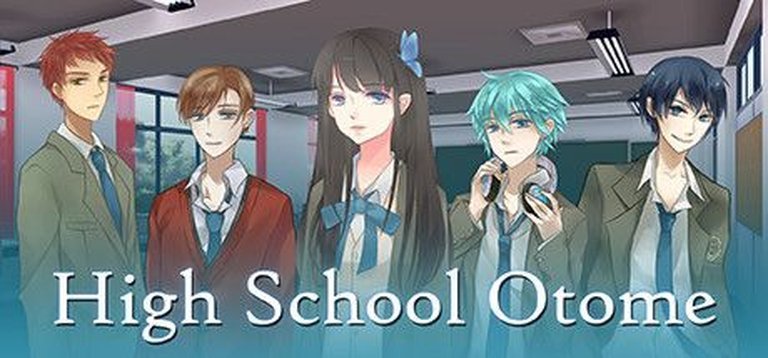
High School Otome is a visual novel adventure game set in a school environment, following protagonist Sabrina, an average teenager grappling with the emotional turmoil of her grandmother’s cancer diagnosis and strained family relationships. As Sabrina navigates these personal challenges, players engage in a narrative-driven experience exploring themes of love, self-discovery, and finding meaning in life. The game features four dateable characters—Mike, Jared, Isaac, and Tom—with beautifully illustrated CGs and eight possible endings, including both romance and friendship outcomes for each love interest. With its anime/manga art style and first-person perspective, High School Otome offers an intimate and heartfelt journey through adolescence.
High School Otome Guides & Walkthroughs
High School Otome: A Deep Dive into Ambitious Emotion and Flawed Execution
Introduction
In the overcrowded landscape of indie visual novels, High School Otome (2019) dares to tackle grief, family estrangement, and existential purpose through the lens of a free-to-play otome game. Developed by solo creator Sonya Fung under CloudNovel LLC, this emotionally charged narrative promised catharsis but delivered a polarizing experience. Framed by its free accessibility and themes darker than most high school romances, High School Otome stands as a case study in how ambition can both elevate and undermine indie storytelling.
Development History & Context
The Creator’s Vision
Sonya Fung, a solo developer known for earlier projects like Skights and Café Rouge, leveraged CloudNovel’s web-based engine to create High School Otome as her Steam debut. Released on October 31, 2019, the game targeted a niche audience craving emotionally complex otome narratives beyond corporate tropes. Fung’s stated goal was to explore “strained family relationships and finding one’s purpose in life” – a radical departure from lighthearted dating sims.
Technological and Market Constraints
Built using CloudNovel’s proprietary tools, the game faced inherent limitations: minimal animation, static backgrounds, and a rigid menu-driven interface. At a time when visual novels like Doki Doki Literature Club! (2017) redefined player expectations for meta-narrative innovation, High School Otome’s traditional structure felt dated. Its free-to-play model sacrificed monetization for accessibility, a double-edged sword that drew players but limited resources for polish.
Narrative & Thematic Deep Dive
Plot and Structure
Players inhabit Sabrina, a 17-year-old orphan living with her emotionally distant grandmother, whose terminal cancer diagnosis forces a reckoning with mortality. The story bifurcates into parallel arcs: navigating familial grief and pursuing romance with four archetypal suitors (Mike, Jared, Isaac, and Tom). Each route culminates in a “friendship” or “romance” ending, totaling eight outcomes.
Characterization and Flaws
Sabrina’s characterization polarized players. While praised for her vulnerability, her passivity and self-pitying monologues (“Why does everyone leave me?”) alienated those craving agency. The love interests suffer from inconsistent writing: Isaac’s “protective older brother” dynamic clashes with Jared’s underdeveloped “rebellious artist” tropes. Only Tom’s route – centering on shared grief – received consistent praise for emotional authenticity.
Thematic Ambition vs. Execution
The game’s exploration of cancer, parental loss, and existential dread is commendably bold. A haunting scene where Sabrina tearfully debates euthanasia with her grandmother showcases raw potential. Yet these moments drown in repetitive dialogue loops (“Grandma’s treatments are expensive…” recurs verbatim across routes) and tonal whiplash between melodrama and mundane high school chatter.
Gameplay Mechanics & Systems
Visual Novel Fundamentals
As a kinetic novel with minimal branching, High School Otome offers fewer choices than genre standards. Critical decisions occur only in final chapters, locking endings behind superficial metrics (e.g., “choose 3/5 kind dialogue options”). The lack of a flowchart or scene replay forces full replays – a fatal flaw given the story’s 6.3-hour runtime and glacial pacing.
Technical Shortcomings
Players universally panned the inability to skip unread text efficiently. Lines inch forward at 20 words per second without turbo mode, exacerbating the déjà vu of reused dialogue. Technical hiccups like frozen save screens and abrupt crashes further marred the experience, though patches later mitigated these issues.
UI/UX Design
The interface reflects its web-based roots: a sparse menu with oversized buttons and no backlog customization. While functional, the absence of QoL features like auto-advance timers or quick-saves feels archaic post-2019.
World-Building, Art & Sound
Visual Direction
The anime/manga aesthetic delivers four “beautifully illustrated CGs” (per the Steam description), with poignant use of color in climactic scenes – Sabrina’s rain-soaked confrontation with Tom stands out. However, background art remains static and generic (classrooms, hospitals), lacking environmental storytelling.
Sound Design
A limited soundtrack loops melancholic piano melodies during emotional beats, but abrupt silence dominates ordinary scenes. Voice acting’s absence heightens reliance on text, magnifying writing flaws.
Atmosphere
Despite technical limitations, the game achieves fleeting moments of intimacy through close-up sprites and carefully timed pauses. The grandmother’s gaunt, deteriorating sprite across chapters viscerally conveys her decline.
Reception & Legacy
Launch Reception
High School Otome debuted to muted buzz, earning a 44% mixed rating on Steam (54 reviews). Positive reviews lauded its “emotional gut-punch” and free accessibility, while negatives fixated on “amateurish writing” and “slog pacing” (Steambase, 2025). Notably, no major critics covered the game – a reflection of its obscurity.
Long-Term Impact
Though not a commercial landmark, the game inspired earnest fan discourse on portraying illness in romance games. Fung’s subsequent projects (Café Rouge) iterated on its themes with improved mechanics. Culturally, it exemplifies the indie otome struggle: balancing heartfelt storytelling with limited resources.
Conclusion
High School Otome is a paradox – a game whose thematic courage outshines its flawed execution. While bogged down by repetitive writing, technical jank, and undercooked romance routes, its unflinching portrayal of grief resonates in isolated brilliance. For patient players, Sabrina’s journey offers poignant reflections on mortality, but most will find its potential stifled by developmental growing pains. As a footnote in visual novel history, it remains a testament to the power – and peril – of solo dev passion in an unforgiving industry.
Final Verdict: A noble misfire, best appreciated as a free curio for genre completionists rather than a genre-defining experience.