
- Release Year: 2010
- Platforms: iPad, Windows
- Publisher: Intenium GmbH, Star Game Group s.r.o.
- Developer: Alt.A Games LLC
- Genre: Adventure, Puzzle
- Perspective: 1st-person
- Game Mode: Single-player
- Gameplay: Hidden object, Mini-games, Puzzle elements
- Setting: Fantasy
- Average Score: 80/100
Description
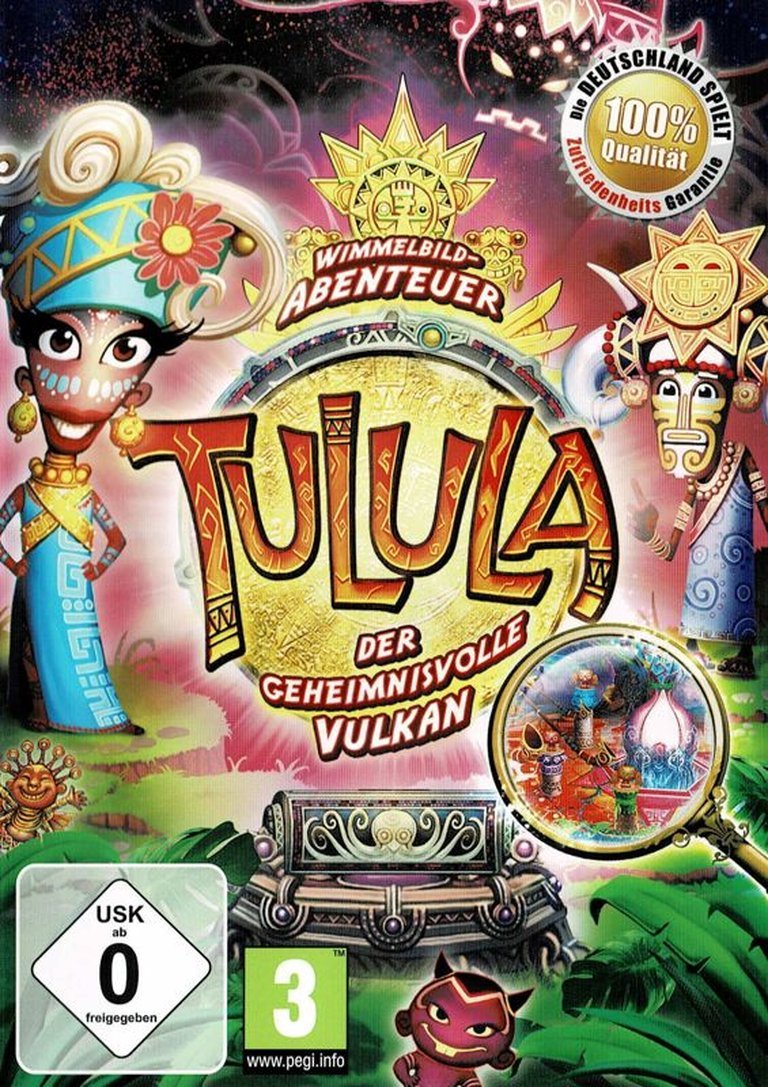
Tulula: Legend of Volcano is a fantasy Hidden Object Puzzle Adventure game where players embark on a perilous journey across diverse environments like volcanic regions, jungles, floating villages, and ice deserts. As Tulula, heroes must prevent catastrophic eruption by solving puzzles, finding hidden objects, collecting Stone Shards to rebuild magical totems, and gathering blueprints to restore the devastated Tulula Village. The game features sequential challenges, magical mini-games, and environmental interactions where tools like lamps, scissors, and ladders unlock progress through its volcanic narrative.
Gameplay Videos
Tulula: Legend of Volcano Guides & Walkthroughs
Tulula: Legend of Volcano Reviews & Reception
jayisgames.com : An adventure of epic proportions. Perfect for young readers.
gamezebo.com (80/100): Tulula: Legend of a Volcano blends HOG, puzzle and city building gameplay.
Tulula: Legend of Volcano: Review
Tulula: Legend of Volcano, released in 2010, stands as a testament to the golden age of hidden object games, blending intricate puzzles with a rich narrative and whimsical art style. Developed by Alt.A Games and published by Intenium GmbH, this game offers a unique adventure that transcends the typical fare of the genre. This review will delve into the game’s development history, narrative depth, gameplay mechanics, world-building, and its enduring legacy.
Development History & Context
Studio and Creators’ Vision
Alt.A Games, the developer behind Tulula, brought a fresh perspective to the hidden object genre. The studio aimed to create a game that was not only engaging but also visually stunning and narratively rich. The creators’ vision was to craft an experience that would appeal to both casual and seasoned gamers, offering a blend of puzzles, exploration, and storytelling.
Technological Constraints of the Era
Released in 2010, Tulula benefited from the technological advancements of the time, particularly in graphics and sound design. The game’s fixed/flip-screen perspective and 1st-person view allowed for detailed environments and smooth transitions between scenes. The use of CD-ROMs as the media type ensured that the game could be distributed widely and played on most Windows PCs of the era.
Gaming Landscape
The gaming landscape in 2010 was dominated by a mix of casual and hardcore titles. Hidden object games were particularly popular, with titles like “Mystery Case Files” and “Hidden Expedition” leading the charge. Tulula stood out by offering a more integrated experience, combining hidden object scenes with puzzles, mini-games, and a village-building mechanic. This holistic approach set it apart from its contemporaries and contributed to its unique appeal.
Narrative & Thematic Deep Dive
Plot
Tulula: Legend of Volcano tells the story of a tribe cursed by an evil spirit, leaving only the player character unaffected. The player must embark on a journey to collect the scattered pieces of the tribal totem and break the spell, restoring peace to the island. The narrative is woven through cutscenes, dialogues, and environmental storytelling, creating a cohesive and engaging plot.
Characters
The game features a colorful cast of characters, each with their own quirks and roles in the story. The shaman Taboo serves as the player’s guide, providing hints and background information. Maya, Taboo’s true love, adds a romantic subplot, while the troublesome imp Volco and the evil spirit provide conflict and tension. The characters are well-developed, adding depth to the narrative and making the player invested in their fates.
Dialogue
The dialogue in Tulula is lighthearted and humorous, breaking the tension and adding a layer of enjoyment. The conversations between characters are witty and often humorous, making the game accessible and entertaining for a wide audience. The use of dialogue also serves to advance the plot and provide necessary information, ensuring that the player is always engaged.
Themes
The game explores themes of friendship, love, and the struggle against evil. The overarching theme of breaking a curse and restoring harmony resonates throughout the game, tying the various elements together. The narrative also touches on the importance of community and the power of determination, making it a relatable and inspiring story.
Gameplay Mechanics & Systems
Core Gameplay Loops
Tulula’s gameplay is built around several core loops. The primary loop involves exploring various locations, solving puzzles, and finding hidden objects. Each location presents a unique set of challenges, keeping the gameplay fresh and engaging. The game also features a village-building mechanic, where players can use earned talents to rebuild the tribal village, adding a layer of strategy and long-term goals.
Combat
Unlike many games in the genre, Tulula does not feature traditional combat. Instead, the game focuses on puzzle-solving and exploration. This absence of combat allows the game to maintain a lighthearted and accessible tone, making it suitable for a wide audience.
Character Progression
Character progression in Tulula is tied to the player’s ability to solve puzzles and complete tasks. As the player progresses, they earn talents and blueprints, which can be used to rebuild the village. This progression system provides a sense of accomplishment and encourages players to explore and engage with the game’s mechanics.
User Interface
The user interface in Tulula is intuitive and user-friendly. The hint system, notebook, and inventory are all easily accessible, ensuring that players can navigate the game without frustration. The UI is designed to be unobtrusive, allowing players to focus on the gameplay and narrative.
Innovative or Flawed Systems
One of the innovative systems in Tulula is the integration of hidden object scenes with puzzles and mini-games. This approach provides a varied and engaging experience, keeping players on their toes. However, the game’s linear progression and lack of freedom in task completion can be seen as a flaw, particularly for experienced players who prefer more open-ended gameplay.
World-Building, Art & Sound
Setting
Tulula’s setting is a fantastical island filled with diverse environments, from dense jungles to underground caves and volcanic landscapes. Each location is meticulously designed, providing a rich and immersive experience. The world-building in Tulula is exceptional, with each area feeling unique and alive.
Atmosphere
The game’s atmosphere is whimsical and enchanting, with a bright and colorful art style. The use of tropical music and basic sound effects contributes to the game’s upbeat and lighthearted tone. The atmosphere is consistent throughout the game, ensuring that players remain engaged and entertained.
Visual Direction
The visual direction in Tulula is a standout feature. The game’s art style is unique, with bright, colorful animations and detailed environments. The visuals are not only pleasing to the eye but also serve to enhance the gameplay and narrative, making the world of Tulula feel vibrant and alive.
Sound Design
The sound design in Tulula is effective, with a tropical soundtrack that complements the game’s visuals and narrative. The sound effects are basic but functional, providing necessary feedback without detracting from the overall experience. The use of sound in Tulula is subtle but impactful, contributing to the game’s immersive atmosphere.
Reception & Legacy
Critical and Commercial Reception
Upon its release, Tulula received positive reviews from critics and players alike. The game was praised for its unique blend of gameplay mechanics, engaging narrative, and stunning visuals. Critics noted the game’s accessibility and appeal to a wide audience, making it a standout title in the hidden object genre. Commercially, the game was successful, selling well and receiving numerous awards.
Evolution of Reputation
Over the years, Tulula’s reputation has only grown. The game is often cited as a classic in the hidden object genre, with its unique approach to gameplay and storytelling. Its influence can be seen in subsequent games, which have attempted to replicate its success with varying degrees of achievement.
Influence on Subsequent Games and the Industry
Tulula’s influence on the industry is undeniable. The game’s integration of hidden object scenes with puzzles, mini-games, and village-building mechanics has become a staple in the genre. Its success paved the way for other developers to experiment with similar approaches, leading to a richer and more diverse gaming landscape. The game’s legacy continues to inspire developers, ensuring that its impact will be felt for years to come.
Conclusion
Tulula: Legend of Volcano is a masterclass in hidden object gameplay, combining engaging puzzles, a rich narrative, and stunning visuals. Its unique approach to gameplay, innovative mechanics, and whimsical art style make it a standout title in the genre. The game’s legacy is secure, with its influence continuing to be felt in the industry. For those seeking a classic hidden object experience, Tulula is a must-play title that offers hours of entertainment and enjoyment. Its place in video game history is assured, and it stands as a testament to the creativity and innovation of its developers.