
- Release Year: 2013
- Platforms: Linux, Macintosh, Windows
- Publisher: Frozenbyte Oy
- Developer: Frozenbyte Oy
- Genre: Compilation
- Perspective: Side view
- Game Mode: Co-op, Single-player
- Setting: Fantasy
- Average Score: 56/100
Description
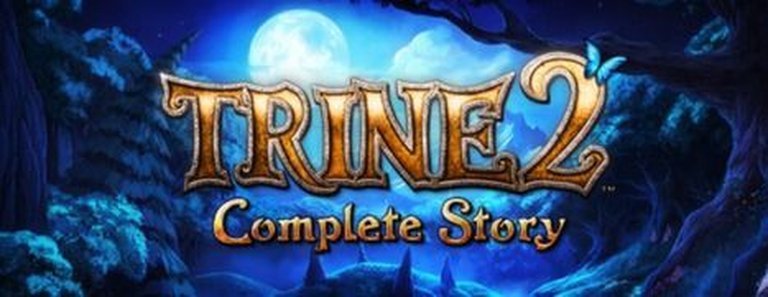
Trine: Complete Collection is a digital compilation featuring the physics-based action-adventure games Trine and Trine 2: Complete Story. Players control three heroes—Amadeus the Mage, Zoya the Thief, and Pontius the Knight—each with unique abilities, as they journey through a fantasy kingdom to break an evil spell. The game combines puzzle-solving, platforming, and combat, utilizing interactive physics to overcome challenges and save the realm from darkness.
Trine: Complete Collection Cracks & Fixes
Trine: Complete Collection Guides & Walkthroughs
Trine: Complete Collection Reviews & Reception
metacritic.com (80/100): A triumphant return to form for the series.
metacritic.com (9/100): The Trine Collection is all 4 of the acclaimed Side-Scrolling Puzzle Platforming Games.
metacritic.com (80/100): The Trine: Ultimate Collection is great if you’re after a co-op puzzler – or four – with a ton of challenging, but fun, gameplay to be had.
keengamer.com : Trine Ultimate Collection is a charming and beautifully designed platform puzzler.
Trine: Complete Collection: Review
Introduction
In the pantheon of indie game classics, Trine: Complete Collection stands as a shimmering gem—a masterclass in physics-based puzzle-platforming that marries fairy-tale aesthetics with ingenious cooperative gameplay. Released in 2013 by Finnish studio Frozenbyte, this compilation bundles Trine (2009) and Trine 2: Complete Story (2011), alongside bonus content like an art book and soundtrack. Forged during an era when digital distribution began democratizing game development, Trine carved a niche with its magical blend of narrative charm, environmental puzzles, and trio-based mechanics. This review unpacks its legacy, interrogates its systems, and celebrates its enduring allure.
Development History & Context
Studio & Vision: Frozenbyte, founded in 2001, initially focused on 3D action titles like Shadowgrounds. However, Trine emerged from a pivot—a side project brewed by senior programmer Jukka Kokkonen while navigating publisher struggles. The team envisioned a medieval fantasy world where physics-driven puzzles and character synergy took center stage, inspired by classics like The Lost Vikings and Lemmings.
Technological Constraints & Innovations: Built on the Storm3D engine with NVIDIA PhysX integration, Trine leveraged realistic physics for interactions—stacking crates, swinging ropes—while opting for 2.5D visuals to balance depth and performance. The decision to feature three distinct characters (Thief, Wizard, Knight) forced creativity within technical limits, as switching mechanics required seamless AI handling for solo play.
Gaming Landscape: At release, Trine entered a market hungry for indie experimentation. Digital platforms like Steam and PlayStation Network offered visibility, while contemporaries (Braid, Limbo) redefined narrative depth in side-scrollers. Trine stood apart with co-op focus and a whimsical aesthetic, earning GameSpot’s “Best Downloadable Game” award at E3 2009.
Narrative & Thematic Deep Dive
Plot & Characters: Bound by the mystical Trine artifact, the unlikely trio—Zoya (the agile Thief), Pontius (the brawny Knight), and Amadeus (the bumbling Wizard)—embarks on a quest to restore balance to a kingdom ravaged by undead hordes and a corrupted king. The story unfolds through a wry, omniscient narrator, evoking a storybook tone.
Themes:
– Unity in Diversity: The heroes’ contrasting personalities—Zoya’s cunning, Pontius’ valor, Amadeus’ timidity—mirror their gameplay roles, emphasizing teamwork.
– Corruption & Redemption: The Trine’s splintered artifacts symbolize fractured morality, with the heroes mending both world and self (e.g., Pontius abandoning knightly duty for ale-brewing).
– Fate vs. Free Will: The artifact chooses the trio, weaving destiny with player agency.
Dialogue & Tone: Witty and self-aware, the writing balances humor and gravitas. Amadeus’ delusions of grandeur (“I’ve mastered the fireball… er, almost”) contrast Zoya’s sardonic pragmatism, while Pontius’ dim earnestness provides comic relief.
Gameplay Mechanics & Systems
Core Loop: Players switch between the trio to solve physics puzzles and combat foes. Each character’s abilities synergize:
– Zoya: Fires arrows, uses grappling hooks for traversal.
– Pontius: Swings swords/shields, smashes obstacles.
– Amadeus: Conjures boxes/planks, levitates objects.
Innovations:
– Physics-Driven Puzzles: Solutions are rarely singular—stack crates, build bridges, or fling enemies via telekinesis.
– Co-Op Dynamics: Local/online multiplayer lets players control one hero each, fostering camaraderie or chaos.
– Progression: Shared XP upgrades abilities (e.g., Zoya’s flaming arrows, Amadeus’ multiple conjurations).
Flaws:
– Combat Repetition: Enemy variety is sparse (skeletons, bats), and Pontius’ melee dominance overshadows nuanced tactics.
– Checkpoint System: Limited respawns frustrate in later levels, though Trine 2 refines this.
World-Building, Art & Sound
Setting: From the Astral Academy’s crumbling halls to the ethereal Fangle Forest, Trine’s biomes evoke a living storybook. Trine 2 expands into vibrantly surreal landscapes—goblin-infested jungles, crystal caves—bolstered by parallax scrolling.
Visuals: Frozenbyte’s 2.5D art style—hand-painted textures, dynamic lighting—ages gracefully. The Enchanted Edition (2014) further polished assets, but even the original’s gothic whimsy enchants.
Sound Design: Ari Pulkkinen’s orchestral score mingles whimsical melodies (“Astral Academy”) with foreboding strings (“Dragon Graveyard”). Ambient sounds—creaking wood, crackling fire—immerse players in its fairy-tale logic.
Reception & Legacy
Launch Reception:
– Critics: Praised for creativity (Metacritic: 80-83), though some docked points for brevity (~8 hours) and underbaked multiplayer.
– Sales: Topped 1.1 million units by 2011, proving indie viability without AAA marketing.
Enduring Influence:
– Sequels & Industry Impact: Trine 2 (2011) refined mechanics, while Trine 3 (2015) stumbled with 3D ambitions before Trine 4 (2019) returned to form. The series’ DNA lives in co-op puzzlers like Unravel Two and It Takes Two.
– Cultural Footprint: The narrator’s voice became a Dota 2 announcer pack, and its art style inspired countless indie devs.
Conclusion
Trine: Complete Collection is more than a nostalgia trip—it’s a testament to Frozenbyte’s vision of blending physics, story, and cooperation into a cohesive whole. While its combat and pacing show age, the core experience remains magical: a shimmering artifact of indie gaming history. For those seeking a whimsical, brain-teasing adventure alone or with friends, this collection is an essential portal to a kingdom where heroes are flawed, puzzles are mutable, and fairy tales gleam with timeless charm.
Final Verdict: A foundational title in the puzzle-platformer genre, Trine: Complete Collection earns its place in the hall of indie legends—9/10.