
- Release Year: 2016
- Platforms: Windows, Xbox 360, Xbox One
- Publisher: Microsoft Corporation, Mojang AB
- Developer: Oxeye Game Studio
- Genre: Action
- Perspective: Side view
- Game Mode: Online Co-op, Single-player
- Gameplay: Platform, Puzzle elements
- Setting: Futuristic, Sci-fi
- Average Score: 61/100
Description
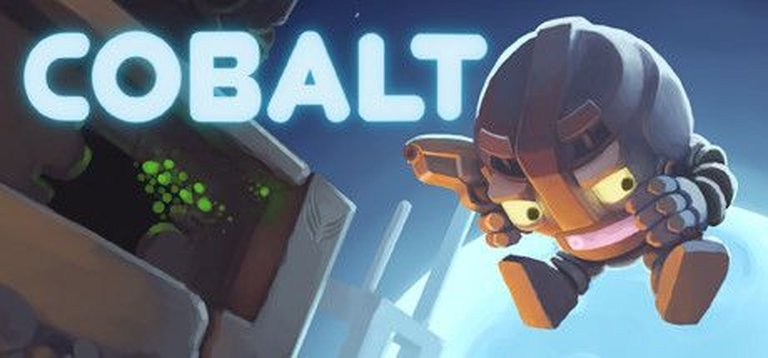
Set in a futuristic sci-fi universe, Cobalt is an action-packed 2D platformer combining intense combat, puzzle elements, and fast-paced multiplayer modes. Players master unique control mechanics to execute advanced tricks and tactical moves across challenges and a story-driven campaign. While praised for its creativity and replayability, the game’s fragmented progression system and occasional technical issues leave its ambitions feeling unevenly realized.
Gameplay Videos
Where to Buy Cobalt
Cobalt Cracks & Fixes
Cobalt Patches & Updates
Cobalt Mods
Cobalt Reviews & Reception
opencritic.com (70/100): There’s a pretty good game buried somewhere inside Cobalt, obscured by layers of poor balancing and technical glitches.
metacritic.com (69/100): Cobalt is an instant classic for side-scrolling brawlers. The combat is varied and addictive, the mechanics sufficiently complex to satisfy dedicated players, and the competitive modes can entertain all sorts of fans.
escapistmagazine.com : Cobalt really shines here, showing the right direction to take when making an engaging battle experience: an enemy needs to be smart for a game to feel worthwhile.
ign.com (45/100): Cobalt is a frustrating side-scroller marred by too many arbitrary deaths and bugs.
Cobalt: Review
Introduction
In the crowded landscape of indie platformers, Cobalt (2016) stands out as a frenetic, bullet-time-infused oddity—a game that defies easy categorization. Developed by Sweden’s Oxeye Game Studio and published by Minecraft creator Mojang, Cobalt merges side-scrolling chaos with meticulous combat mechanics, wrapped in a cyberpunk-lite aesthetic. While its uneven execution and niche appeal have relegated it to cult status, the game’s inventive systems—particularly its signature slow-motion rolls and multiplayer madness—offer a glimpse into what happens when a small team dreams big. This review argues that Cobalt is a flawed but fascinating artifact of indie ambition, one that prioritizes mechanical depth over polish, leaving behind a legacy of unfulfilled potential and die-hard fans.
Development History & Context
Cobalt began as a passion project by Oxeye Game Studio, a trio of Swedish developers: Daniel Brynolf (lead programmer), Pontus Hammarberg (artist), and Jens Bergensten (designer, later Minecraft’s lead dev). Originally prototyped in 2011 using Oxeye’s in-house DaisyMoon engine, the game attracted Mojang’s attention, becoming its first third-party-published title. This partnership granted Cobalt visibility but also tied it to Mojang’s post-Minecraft growing pains.
The game endured a five-year development cycle, transitioning from alpha (2011) to beta (2013) and finally gold (2016). Early builds focused on local multiplayer and community-driven design, with Oxeye iterating based on player feedback. A pivotal shift occurred in 2013 when the team abandoned DaisyMoon for Autodesk’s Stingray engine, enabling smoother networked play but scrapping planned macOS/Linux ports.
Released on February 2, 2016, for Windows, Xbox 360, and Xbox One, Cobalt arrived in a market saturated with indie platformers. Its $19.99 price point and lack of post-launch updates hindered longevity, though Steam Workshop support allowed modest community creativity. The Xbox versions, ported by Fatshark, were swiftly abandoned, leaving Cobalt as a relic of Mojang’s pre-Microsoft acquisition era.
Narrative & Thematic Deep Dive
Cobalt’s story mode is a functional scaffold for its gameplay, not its soul. Players control the titular cyborg, a “Metalface,” dispatched to investigate the collapse of a human colony on the alien planet Trunkopia. The plot—a mix of corporate conspiracies, rogue AI (ETAC), and interstellar mystery—is delivered through sparse dialogue and environmental hints. While the premise echoes classic sci-fi tropes (Alien meets Portal), the narrative lacks depth, reduced to filler between combat sequences.
Themes of identity and technological exploitation linger beneath the surface. As Cobalt, players grapple with fragmented memories and a warranty-voiding mission, subtly critiquing corporate control. However, these ideas are underdeveloped, overshadowed by the game’s focus on mechanics. Co-op storytelling (for 1-2 players) injects humor—taming explosive space hamsters, impromptu dance-offs—but feels disjointed. Critics panned the campaign as a “plodding mess” (Destructoid), though supporters praised its B-movie charm.
Gameplay Mechanics & Systems
Cobalt’s genius—and frustration—lies in its systems:
Core Combat & Movement
- The Roll: A defining mechanic. Rolling triggers bullet-time, letting players deflect projectiles, dodge attacks, or launch rocket-powered punches. Mastery demands precision, rewarding skill with devastating counters.
- Weapon Sandbox: Over 70 tools, from plasma rifles to time bombs, encourage experimentation. Weapons interact dynamically with the environment (e.g., destroying cover), though balance issues plague late-game unlocks.
- Health & Progression: Segmented shields and permadeath-like consequences (losing upgrades on death) add stakes.
Multiplayer Modes
- Deathmatch: 8-player chaos with projectile-rich arenas.
- Plug Slam: A soccer-like “capture the plug” mode, emphasizing teamwork.
- Team Strike: Round-based 4v4 eliminations with class upgrades.
- Survival: Co-op horde mode against escalating AI waves.
Flaws & Innovations
- The learning curve is steep, with clunky UI and inconsistent auto-aim frustrating newcomers.
- Level editor and Steam Workshop support fostered creativity, though limited by a shrinking player base.
World-Building, Art & Sound
Cobalt’s retro-futuristic aesthetic blends pixel-art grit with absurdist sci-fi. Environments range from industrial complexes to alien jungles, all rendered in vibrant, destructible 2D. While the art direction feels uneven—some areas lack detail—the game’s charm emerges in small touches: explode-happy birds, graffiti-laden bunkers, and cyborgs with interchangeable heads.
Sound design elevates the chaos. Mattias Häggström Gerdt’s synth-heavy soundtrack mirrors the action’s rhythm, while effects like the thunk of a deflected bullet or the screech of a rolling dodge ground the absurdity. The lack of voice acting (outside radio jingles) reinforces the game’s DIY ethos.
Reception & Legacy
Cobalt garnered mixed reviews (Metacritic: 69/100 on PC), praised for its combat but criticized for bugs and repetitive design. Destructoid’s 4/10 review summed it up: “A neat idea buried under poor execution.” Yet fans cherished its depth, with Rock Paper Shotgun calling it “a 2D Deus Ex in flashes.”
Commercially, Cobalt sold ~44k copies on Steam, per SensorTower, peaking at 321 concurrent players. Its legacy lives in mods and the 2017 sequel Cobalt WASD, which refined its multiplayer focus. While overshadowed by Mojang’s titans, Cobalt remains a testament to indie experimentation—a game that dared to mesh bullet-time ballet with hamster-riding whimsy.
Conclusion
Cobalt is a game of contradictions: brilliant in concept, erratic in delivery. Its combat systems are sublime, offering a skill ceiling few platformers match, while its story and pacing falter. For every moment of slow-motion euphoria, there’s a glitch or baffling design choice. Yet, like its cyborg protagonist, Cobalt endures—a scrappy underdog with more heart than polish. It may not be a masterpiece, but as a slice of indie ambition, it’s unforgettable.
Final Verdict: A flawed gem for mechanics-driven players, Cobalt deserves a spot in the pantheon of “what could have been”—and a cult following that still rolls on.