
- Release Year: 2016
- Platforms: Windows
- Publisher: Active Gaming Media Co., Ltd.
- Developer: Satsuma Software
- Genre: JRPG, Role-playing
- Perspective: Top-down
- Game Mode: Single-player
- Gameplay: Japanese-style RPG
- Average Score: 85/100
Description
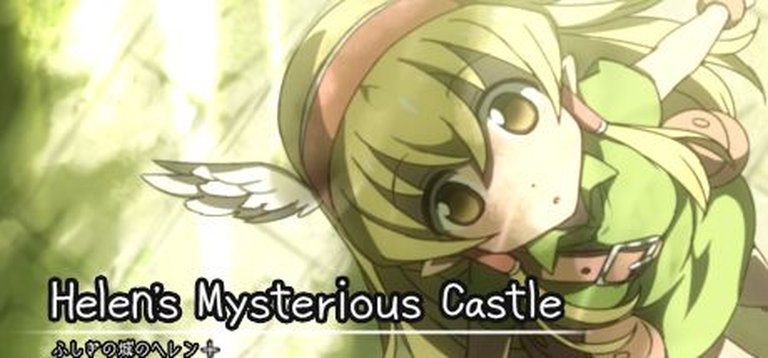
In ‘Helen’s Mysterious Castle,’ players follow young Helen, raised by a nameless guardian in an enigmatic fortress, as she embarks on an adventure to escape her isolated life. Developed in RPG Maker, this indie JRPG features a mysterious castle filled with monsters, allies like the Demon King and Undead Knight, and a looming threat from antagonist Krace, who seeks to reignite a century-old war. The game combines classic JRPG gameplay with unique anti-frustration mechanics and a narrative exploring themes of atonement and defiance.
Gameplay Videos
Where to Buy Helen’s Mysterious Castle
Helen’s Mysterious Castle Cracks & Fixes
Helen’s Mysterious Castle Guides & Walkthroughs
Helen’s Mysterious Castle Reviews & Reception
metacritic.com (70/100): Helen’s Mysterious Castle is easy to recommend for those who love a challenge and are willing to work hard for their rewards.
16bitworld.com : ultra-charming, pocket-sized RPG
archive.rpgamer.com : Helen’s Mysterious Castle, though corny in name, has a surprising amount of content for its incredibly low two-dollar price point.
Helen’s Mysterious Castle: An Exhaustive Dissection of Indie Alchemy
Introduction: A Whisper in the Cathedral of JRPGs
In an era dominated by blockbuster budgets and open-world bloat, Helen’s Mysterious Castle (2016) stands as a masterclass in minimalist design—a game that distills the essence of Japanese RPGs into a crystalline, four-hour experience. Developed by one-man studio Satsu (Satsuma Software) and published by PLAYISM, this pixelated gem defies its RPG Maker roots through tactical innovation and narrative subtlety. This review argues that Helen achieves a rare synthesis: a mechanically inventive, emotionally resonant adventure that leverages constraints to create focus, carving its niche as a cult classic among indie devotees and JRPG purists.
Development History & Context: The Alchemist’s Crucible
The Vision of Satsu
Satsu, a pseudonymous Japanese developer, crafted Helen using RPG School 2000—a lesser-known engine compared to RPG Maker, yet one offering granular control over combat systems. The developer’s intent was clear: subvert JRPG tropes (level grinding, party management) while preserving their strategic soul. Satsu’s design philosophy echoes Shadow of the Colossus: strip away excess to amplify what remains.
Technological Constraints as Innovation
Built on an aging engine, Helen sidestepped technical limitations through elegance rather than spectacle. The decision to eschew traditional leveling (replaced by weapon-specific progression) emerged from engine limitations, yet became its genius. PLAYISM’s localization—sharpened by Active Gaming Media’s expertise—brought Helen’s wordless expressiveness to global audiences, avoiding the awkward translations plaguing many indie JRPGs.
The 2016 Landscape
Released amidst a renaissance of retro-styled indies (Undertale, Stardew Valley), Helen stood apart by merging nostalgia with ruthlessly modern design. Its $1.99 price point and compact runtime positioned it as an anti-blockbuster—a rebuttal to bloat in AAA RPGs like Final Fantasy XV, released the same year.
Narrative & Thematic Deep Dive: Silence as Substance
Plot Architecture: Unpeeling the Onion
Helen, a near-mute protagonist, awakens in a floating castle with her guardian Ardis. Her journey—framed as curiosity-driven exploration—slowly unravels a century-old war where Ardis crafted monstrous armies for the mage Krace. The castle, a prison for war exiles, shelters homunculi, reformed monsters, and Helen herself—revealed to be a resurrected child soldier. The narrative’s power lies in negative space: Helen communicates solely through “!” and “?”, forcing players to infer her trauma from environmental clues (gravestones, cryptic texts) and NPC dialogues.
Characters as Moral Mirrors
- Ardis: The repentant creator, embodying paternal guilt and the cost of redemption.
- Undead Knight: A melancholic sentinel blurring lines between monster and guardian.
- Demon King: Subverts trope as a benevolent figure orchestrating a Secret Test of Character.
- Krace: A late-game Big Bad symboling imperialistic ambition, his curse-twisting arrogance becoming self-destruction.
Themes: Identity and Absolution
Helen dissects cyclical violence through its cast: monsters seeking peace, heroes confronting complicity (Zack’s Would Not Hit a Girl hypocrisy). The castle becomes a microcosm of post-war reconciliation—a theme mirroring Japan’s own historical reflection. Helen’s muteness transforms her into a vessel for player empathy, her quest for identity reflecting universal anxieties about legacy and belonging.
Gameplay Mechanics & Systems: The Clockwork Heart
Combat as Chrono-Chess
The 1v1 battle system is Helen’s pièce de résistance. Each action (attack, spell, block) has a “Wait” timer (e.g., Bow: 12 ticks; Meteor: 50 ticks). Battles become real-time puzzles: players must sequence actions to exploit enemy cooldowns, juggling eight equipment slots. A bow might interrupt a slow spell, while a shield negates a heavy strike—but misjudge the rhythm, and a 10-damage poke could cascade into defeat.
Progression: Weapons as Characters
Helen doesn’t level up—weapons do. EXP upgrades their damage, speed, or effects (e.g., Burning Agony’s escalating power). This demands agonizing choices: invest in a versatile sword or niche shield? The village blacksmith allows deeper refinement, echoing Dark Souls’ weapon loyalty but with JRPG accessibility.
Anti-Frustration Elegance
- Steak System: Each death grants +1 max HP, softening difficulty spikes without hand-holding.
- Retry States: Boss rushes (the final quintet) allow instant retries, respecting player time.
- Domain of Chaos: The brutal bonus dungeon nullifies healing, demanding peak mastery—a Superboss (Ahriman) caps this gauntlet with HP-draining attacks and equipment seals.
UI/UX: Minimalism as Clarity
The interface—clean tooltips, intuitive equip screens—excels where many indies falter. One flaw: hidden paths lack visual cues, occasionally stalling progress without guides.
World-Building, Art & Sound: Nostalgia with Purpose
Pixel Poetry
While limited by RPG School 2000’s assets, Helen’s art direction transcends engine limitations. Floating islands evoke Laputa; candlelit libraries and frost-bitten spires pulse with Miyazaki-esque whimsy. Monster designs—from gelatinous slimes to Ahriman’s Lovecraftian horror—balance charm and menace, though palette-swapped foes signal budget constraints.
A Symphony of Silence and Surprise
The soundtrack—a patchwork of RPG Maker staples and original compositions—elevates mood without overpowering. Tracks like “Dead or Alive” (tense boss percussions) and “Landscape” (town serenity) mirror Chrono Trigger’s ability to telegraph emotion through melody. Sound design shines in subtlety: the click of a refined weapon echoes Helen’s growing resolve.
Atmosphere: Isolation and Intimacy
The castle’s labyrinthine floors—each a self-contained biome (library, volcanic forge)—feel paradoxically claustrophobic and boundless. This duality mirrors Helen’s journey: physically confined, yet psychologically unchained.
Reception & Legacy: From Obscurity to Indie Benchmark
Launch Resonance
Critics praised Helen’s combat (RPGamer: “Addictive”) and writing (16bitworld: “Goofy yet profound”), while noting repetitive enemy variety. Its Steam debut boasted a 93% “Very Positive” rating (828/888 reviews)—a triumph for a $2 niche title. PLAYISM’s JRPG Bundle later amplified its reach alongside One Way Heroics and LiEat.
Cultural Footprint
Helen’s legacy lies in influencing a wave of minimalist JRPGs:
– Mechanical: Games like Chained Echoes adopted its weightless progression.
– Narrative: Its silent-protagonist-as-blank-slate approach predated Hollow Knight’s success.
– Indie Theology: Proved that scope ≠ depth—a mantra embraced by Celeste and A Short Hike.
Retrospective Reappraisal
A 2025 TV Tropes deep dive cemented its cult status, analyzing themes like “Dark Is Not Evil” monsters and Bilingual Bonus nuances (Zack’s “Kugelschreiber” sword—German for “ballpoint pen”). Speedrun communities cherish its sequence-breaking potential (e.g., exploiting early Longsword refinement).
Conclusion: The Castle Endures
Helen’s Mysterious Castle is neither flawless nor revolutionary—yet within its self-imposed confines, it achieves perfection. Its combat system remains a gold standard for turn-based innovation, its narrative a masterclass in environmental storytelling. Like its protagonist, the game speaks volumes through restraint, transforming technical and budgetary limitations into artistic virtues. For historians, it exemplifies early indie JRPG design; for players, it’s a bittersweet parable of war, family, and finding one’s voice. Two dollars and four hours have rarely offered so much.
Final Verdict: A diamond-hewn marvel that belongs in the indie canon—a testament to how small stories, told with precision, can outshine giants.