
- Release Year: 2013
- Platforms: Windows
- Publisher: Square Enix Limited
- Genre: Compilation
- Game Mode: Single-player
- Average Score: 100/100
Description
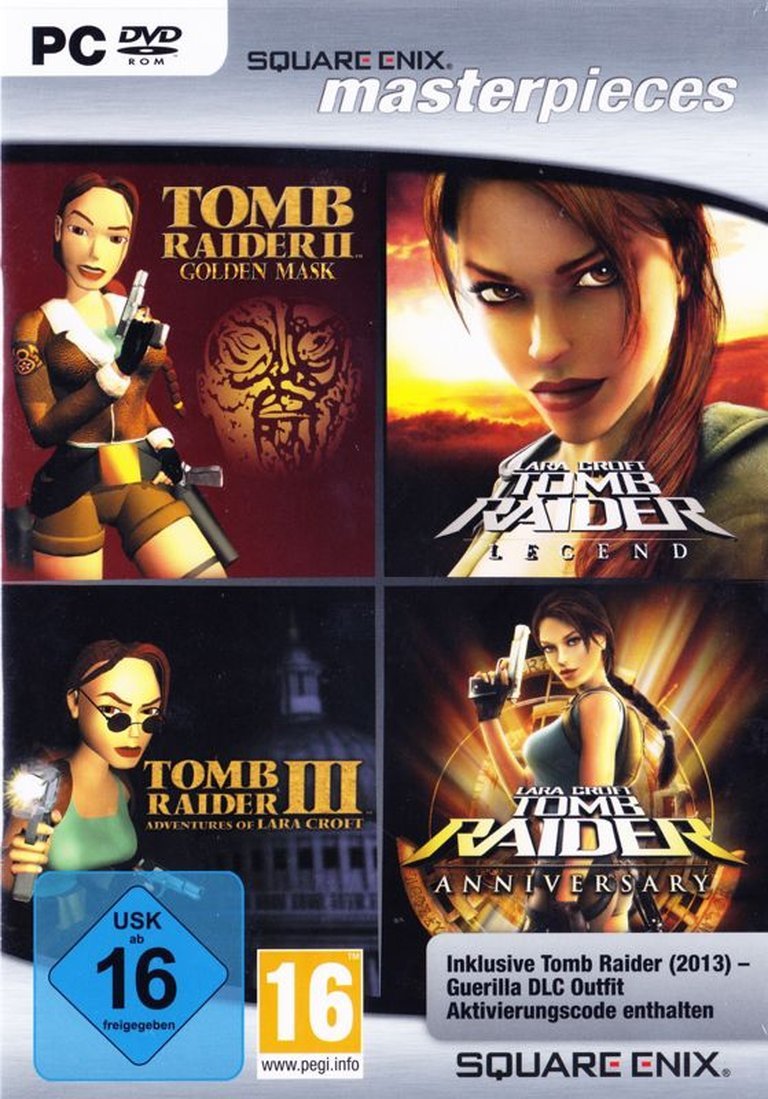
Tomb Raider Quadrology is a 2013 compilation for Windows that brings together four pivotal entries in the Lara Croft adventure series, allowing players to experience her evolution across different eras. The collection includes Tomb Raider II: Gold (1999), Tomb Raider III: Adventures of Lara Croft (1998), the modern reimagining Tomb Raider: Legend (2006), and the tribute remake Tomb Raider: Anniversary (2007), along with the Guerrilla Skin DLC as bonus content. Published by Square Enix Limited, this bundle serves as an entry point to the iconic franchise’s exploration-focused action-adventure gameplay spanning classic and contemporary titles.
Gameplay Videos
Tomb Raider Quadrology Cracks & Fixes
Tomb Raider Quadrology Mods
Tomb Raider Quadrology Guides & Walkthroughs
Tomb Raider Quadrology Reviews & Reception
vgtimes.com : However, this doesn’t mean that we’ll never see the Lara Croft everyone knows and remembers again. The new Tomb Raider is an attempt to tell the story of how the famous tomb raider became a strong, determined, and willful individual—a story of how an inexperienced child turned into the very Lara who captured millions of hearts in 1996. And I must say, the developers succeeded one hundred percent.
imdb.com (100/100): What a fantastic game this is. I have walked about 30% or so but i can honestly say – this is an amazing and exciting gaming experience.
talontrotgames.com : The gunplay is good… so I’m happy to report this is a good time.
Tomb Raider Quadrology: Review
The Tomb Raider Quadrology is a monumental collection that encapsulates the essence of Lara Croft’s evolution from a fledgling archaeologist to a seasoned adventurer. This compilation, released in 2013, includes four pivotal games in the series: Tomb Raider II: Gold, Tomb Raider III: Adventures of Lara Croft, Tomb Raider: Legend, and Tomb Raider: Anniversary. Each game offers a unique perspective on Lara’s journey, showcasing the technological advancements and narrative innovations that have defined the franchise. This review will delve into the development history, narrative depth, gameplay mechanics, world-building, and the enduring legacy of the Tomb Raider Quadrology.
Development History & Context
The Tomb Raider Quadrology is a testament to the evolution of the Tomb Raider series, spanning multiple decades and technological eras. The studio behind this compilation, Crystal Dynamics, has been instrumental in redefining Lara Croft’s adventures, blending cutting-edge technology with rich storytelling.
Studio and Creators’ Vision:
Crystal Dynamics, a subsidiary of Square Enix, took the reins of the Tomb Raider franchise with a vision to modernize the series while preserving its core elements. The creators aimed to deliver a more immersive and emotionally resonant experience, focusing on Lara’s character development and the challenges she faces. The studio’s commitment to innovation is evident in the use of advanced graphics, dynamic weather systems, and adaptive enemy AI, all of which contribute to a more engaging gameplay experience.
Technological Constraints and Gaming Landscape:
The games included in the Tomb Raider Quadrology were developed during a time of significant technological advancement. The transition from 2D to 3D graphics, the introduction of more sophisticated AI, and the integration of multiplayer modes reflect the evolving gaming landscape. These technological constraints and innovations shaped the gameplay mechanics and narrative structures of the games, pushing the boundaries of what was possible in the action-adventure genre.
Narrative & Thematic Deep Dive
The Tomb Raider Quadrology offers a rich tapestry of narratives that explore Lara Croft’s growth and the themes of survival, discovery, and self-realization.
Plot and Characters:
Each game in the compilation tells a unique story, but they all share a common thread: Lara Croft’s journey from a naive young woman to a hardened survivor. In Tomb Raider II: Gold, Lara is on a mission to retrieve the Dagger of Xian, a powerful artifact with the ability to control the minds of others. The game introduces new characters, including the enigmatic Marco Bartoli, and explores themes of betrayal and redemption.
Tomb Raider III: Adventures of Lara Croft continues Lara’s quest for ancient artifacts, this time focusing on the lost city of Atlantis. The game delves into Lara’s personal growth as she navigates treacherous landscapes and encounters formidable foes. The narrative is interspersed with flashbacks to Lara’s past, providing insights into her motivations and fears.
Tomb Raider: Legend serves as a soft reboot, reimagining Lara’s origin story. The game follows Lara as she searches for the mythical Sword Excalibur, uncovering secrets about her family’s past and her own destiny. The narrative is more character-driven, focusing on Lara’s emotional journey and her relationships with other characters.
Tomb Raider: Anniversary is a remake of the original 1996 game, updated with modern graphics and gameplay mechanics. The story remains largely the same, with Lara searching for the Scion of Atlantis, but the game introduces new elements, such as alternate endings and expanded levels.
Dialogue and Themes:
The dialogue in the Tomb Raider Quadrology is designed to be both engaging and informative, providing context and depth to the characters and their motivations. The themes of survival, discovery, and self-realization are woven throughout the narratives, reflecting Lara’s personal growth and the challenges she faces. The games explore the consequences of Lara’s actions, the moral dilemmas she encounters, and the sacrifices she must make to achieve her goals.
Gameplay Mechanics & Systems
The Tomb Raider Quadrology offers a diverse range of gameplay mechanics and systems, each designed to enhance the player’s experience and immersion.
Core Gameplay Loops:
The core gameplay loops in the Tomb Raider Quadrology revolve around exploration, combat, and puzzle-solving. Players traverse vast environments, from dense jungles to ancient ruins, uncovering secrets and collecting artifacts. The combat system has evolved over the years, from the acrobatic and flamboyant style of the early games to the more grounded and realistic approach of the later titles. Puzzle-solving remains a staple, with players using their wits and observation skills to overcome obstacles and unlock hidden areas.
Combat and Character Progression:
Combat in the Tomb Raider Quadrology is a blend of action and strategy. Players must use a variety of weapons and tactics to defeat their enemies, from hand-to-hand combat to ranged attacks. The character progression system allows players to upgrade Lara’s skills and abilities, making her more effective in combat and exploration. This system is tied to the narrative, with Lara’s growth and development reflected in her gameplay capabilities.
UI and Innovative Systems:
The user interface in the Tomb Raider Quadrology is designed to be intuitive and unobtrusive, allowing players to focus on the gameplay. The games feature innovative systems, such as the survival instinct mode, which highlights important objects and enemies, and the crafting system, which allows players to create and upgrade weapons and tools using salvaged materials.
World-Building, Art & Sound
The Tomb Raider Quadrology is renowned for its stunning visuals, immersive sound design, and meticulously crafted worlds.
Setting and Atmosphere:
The games in the compilation are set in a variety of locations, from the lush jungles of South America to the icy peaks of Tibet. Each environment is meticulously designed, with attention to detail and authenticity. The atmosphere is enhanced by dynamic weather systems, day-night cycles, and adaptive enemy AI, creating a living, breathing world that reacts to the player’s actions.
Visual Direction:
The visual direction of the Tomb Raider Quadrology is a testament to the advancements in graphics technology. The games feature high-resolution textures, realistic lighting, and fluid animations, bringing Lara and her world to life. The art style has evolved over the years, from the stylized and exaggerated designs of the early games to the more realistic and grounded approach of the later titles.
Sound Design:
The sound design in the Tomb Raider Quadrology is integral to the overall experience. The games feature a dynamic soundtrack that adapts to the player’s actions and the environment, enhancing the immersion and emotional resonance. The sound effects are realistic and immersive, from the crunch of gravel underfoot to the roar of distant thunder. The voice acting is top-notch, with Camilla Luddington delivering a nuanced and compelling performance as Lara Croft.
Reception & Legacy
The Tomb Raider Quadrology has been met with critical acclaim and commercial success, cementing its place in video game history.
Critical and Commercial Reception:
The games in the compilation have received high praise for their graphics, gameplay, and narrative depth. Critics have lauded the series for its innovation and influence on the action-adventure genre. Commercially, the Tomb Raider Quadrology has been a massive success, selling millions of copies worldwide and spawning a multitude of sequels, spin-offs, and adaptations.
Influence on Subsequent Games and the Industry:
The Tomb Raider Quadrology has had a profound impact on the gaming industry, influencing countless games and setting new standards for the action-adventure genre. The series’ focus on character development, narrative depth, and immersive world-building has inspired developers to push the boundaries of what is possible in video games. The legacy of the Tomb Raider Quadrology can be seen in the countless games that have followed in its footsteps, from Uncharted to Horizon Zero Dawn.
Conclusion
The Tomb Raider Quadrology is a monumental achievement in video game design, offering a rich and immersive experience that spans multiple decades and technological eras. From its innovative gameplay mechanics to its stunning visuals and sound design, the compilation is a testament to the enduring appeal of Lara Croft and her adventures. The series’ influence on the gaming industry is undeniable, and its legacy will continue to inspire and entertain players for generations to come. The Tomb Raider Quadrology is not just a collection of games; it is a journey through the evolution of a franchise and the indomitable spirit of its heroine.