
- Release Year: 2002
- Platforms: Windows
- Publisher: Techland Soft
- Developer: Techland Soft
- Genre: Strategy, Tactics
- Perspective: Diagonal-down
- Game Mode: Single-player
- Gameplay: Board game, Chess
- Average Score: 76/100
Description
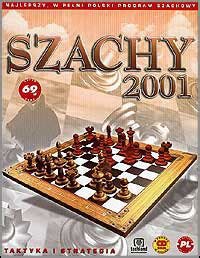
Szachy 2001 (also known as Šachy 2002) is a straightforward chess simulation game developed and published by Techland Soft for Windows in 2002. As a digital adaptation of the classic board game, it offers standard chess gameplay against AI opponents across multiple difficulty levels, with an emphasis on accessibility through its Czech language localization and budget-friendly pricing. While functionally meeting basic expectations for a chess program, contemporary reviews noted its lack of ergonomic polish and advanced features compared to alternatives.
Szachy 2001 Reviews & Reception
gamepressure.com (85/100): A worthy rival for advanced players with a rich library of games played by grandmasters.
mobygames.com (60/100): Fully customizable Windows 95 compliant interface with advanced Artificial Intelligence.
gamepressure.com (85/100): A worthy rival for advanced players with a rich library of games played by grandmasters.
Szachy 2001: Review
Szachy 2001, released in 2002, is a chess game developed and published by Techland Soft. It stands as a testament to the enduring appeal of chess and the innovative spirit of its creators. This review will delve into the game’s development history, narrative and thematic elements, gameplay mechanics, world-building, art and sound, reception, and legacy, ultimately providing a definitive verdict on its place in video game history.
Development History & Context
The Studio
Techland Soft, the developer behind Szachy 2001, was a Polish video game developer and publisher founded in 1991. Known for their innovative approach to game development, Techland Soft was not afraid to experiment with new ideas and technologies. Their portfolio includes a variety of genres, but Szachy 2001 is notable for its focus on strategy and tactics, specifically chess.
The Creators’ Vision
The vision behind Szachy 2001 was to create a comprehensive chess experience that could be enjoyed by both casual and serious players. The game was designed to be fully customizable, with options for single-player, two-player, and internet play. The developers aimed to provide a challenging AI opponent, comprehensive game analysis, and an innovative editor that allowed users to create their own puzzles. This vision was driven by a desire to make chess accessible and engaging for a wide audience.
Technological Constraints of the Era
The early 2000s were a time of significant technological advancement in the gaming industry. The release of the PlayStation 2 and the Xbox in 2001 marked the beginning of the sixth generation of video game consoles, which brought with them increased processing power and graphical capabilities. However, PC games like Szachy 2001 had to contend with the limitations of the hardware available to the average consumer. The game was designed to run on systems with a Pentium 233MHz processor and 16MB of RAM, which were modest by today’s standards but represented a significant portion of the market at the time.
The Gaming Landscape
The gaming landscape in 2002 was diverse and rapidly evolving. The year saw the release of several influential games, including Grand Theft Auto III, Halo: Combat Evolved, and Metal Gear Solid 2: Sons of Liberty. These games pushed the boundaries of what was possible in terms of storytelling, graphics, and gameplay. Szachy 2001, while not as visually impressive as these titles, offered a unique and challenging experience that catered to a different audience.
Narrative & Thematic Deep Dive
Plot
Szachy 2001 is a chess game, and as such, it does not have a traditional narrative. However, the game’s design and features tell a story of their own. The game is a celebration of the ancient game of chess, offering players the opportunity to test their skills against a challenging AI opponent or other players. The game’s tutorial and hint system provide a narrative of learning and improvement, guiding players from novice to master.
Characters
The characters in Szachy 2001 are the pieces on the chessboard. Each piece has its own unique movement and abilities, and understanding these is key to mastering the game. The AI opponent is also a character of sorts, providing a challenge that adapts to the player’s skill level.
Dialogue
There is no dialogue in Szachy 2001, as the game is a chess simulation. However, the game’s interface and tutorial provide clear and concise instructions, guiding the player through the game’s features and mechanics.
Themes
The primary theme of Szachy 2001 is the strategic depth of chess. The game encourages players to think critically and plan ahead, rewarding careful consideration and foresight. The game also explores the theme of competition, pitting the player against an AI opponent or other players in a battle of wits.
Gameplay Mechanics & Systems
Core Gameplay Loops
The core gameplay loop of Szachy 2001 is the chess match. Players take turns moving their pieces, with the goal of checkmating the opponent’s king. The game’s AI opponent provides a challenging experience, adapting to the player’s skill level and providing a worthy adversary.
Combat
Combat in Szachy 2001 is abstract, with pieces capturing each other by moving into their squares. The game’s rules are based on the standard rules of chess, with no modifications or additions.
Character Progression
There is no character progression in Szachy 2001. The game is a chess simulation, and the player’s skill is the only thing that progresses. The game’s tutorial and hint system provide guidance for players looking to improve their skills.
UI
The user interface of Szachy 2001 is clean and intuitive, with a focus on functionality. The game’s menu structures are easy to navigate, and the direct control scheme allows for quick and easy piece movement. The game’s customizable interface is a standout feature, allowing players to tailor the game to their preferences.
Innovative or Flawed Systems
One of the innovative features of Szachy 2001 is its custom game editor, which allows players to create their own puzzles. This feature adds a layer of depth to the game, encouraging players to engage with the game’s mechanics in new and creative ways. However, the game’s AI, while challenging, can be predictable, and the game’s graphics, while functional, are not particularly impressive.
World-Building, Art & Sound
Setting
The setting of Szachy 2001 is the chessboard. The game’s art direction is focused on creating a clear and functional representation of the game’s mechanics, with a clean and intuitive interface.
Atmosphere
The atmosphere of Szachy 2001 is one of concentration and strategy. The game’s sound design is minimal, with simple sound effects for piece movement and capture. The game’s music is equally minimal, with a simple and unobtrusive melody that does not detract from the game’s focus on strategy.
Visual Direction
The visual direction of Szachy 2001 is functional and straightforward. The game’s graphics are not particularly impressive, but they serve their purpose well, providing a clear and uncluttered representation of the game’s mechanics.
Sound Design
The sound design of Szachy 2001 is minimal, with simple sound effects for piece movement and capture. The game’s music is equally minimal, with a simple and unobtrusive melody that does not detract from the game’s focus on strategy.
Reception & Legacy
Critical & Commercial Reception at Launch
Szachy 2001 received a mixed reception at launch. Critics praised the game’s depth and customization options, but noted that the game’s graphics and AI were not particularly impressive. The game’s commercial reception was similarly mixed, with the game selling modestly but not achieving widespread success.
Evolution of Reputation
The reputation of Szachy 2001 has evolved over time, with the game gaining a cult following among chess enthusiasts. The game’s innovative features, such as its custom game editor, have been praised, and the game’s strategic depth has been recognized as a significant achievement.
Influence on Subsequent Games and the Industry
Szachy 2001 has had a lasting influence on the gaming industry, particularly in the realm of strategy and tactics games. The game’s innovative features, such as its custom game editor, have been emulated by other developers, and the game’s strategic depth has inspired a generation of chess games. The game’s success also paved the way for other Techland Soft titles, demonstrating the studio’s ability to innovate and adapt.
Conclusion
Szachy 2001 is a chess game that stands out for its strategic depth and innovative features. While the game’s graphics and AI may not be particularly impressive, the game’s customization options and custom game editor provide a level of depth and engagement that is rare in the genre. The game’s reception was mixed, but its reputation has evolved over time, with the game gaining a cult following among chess enthusiasts. The game’s influence on the industry is undeniable, with its innovative features and strategic depth inspiring a generation of chess games. Szachy 2001 is a testament to the enduring appeal of chess and the innovative spirit of its creators, and it deserves a place in the annals of video game history.