
- Release Year: 2023
- Platforms: Macintosh, Windows
- Publisher: Polytely Games
- Developer: Polytely Games
- Genre: Adventure
- Perspective: 3rd-person (Other)
- Game Mode: Single-player
- Gameplay: Graphic adventure, Point and select
- Setting: Christmas, Contemporary, Holiday season
Description
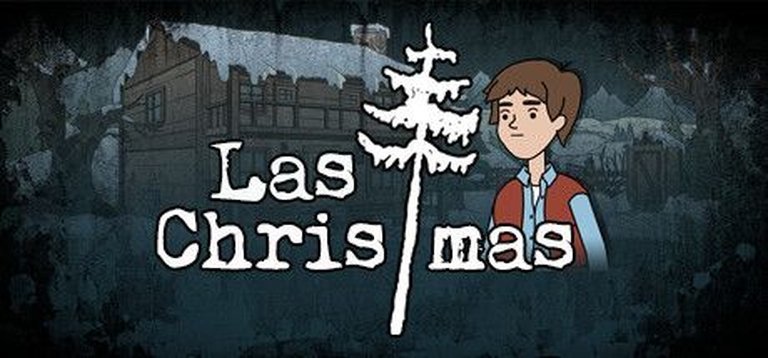
Last Christmas is a spine-chilling point-and-click adventure game set in a secluded mountain cabin during the holiday season. Players take on the role of Frankie, who aims to create the perfect Christmas for his girlfriend, Betty. However, as the cabin’s dark secrets unravel, sinister forces emerge, and every decision shapes the player’s fate. The game blends a cute cartoon style with a horrifying narrative, exploring the darker elements of the Christmas season in a compelling way.
Gameplay Videos
Where to Buy Last Christmas
PC
Last Christmas Patches & Updates
Last Christmas Guides & Walkthroughs
Last Christmas Reviews & Reception
adventuregamehotspot.com : Disturbing psychological themes to unwrap in this short but darkly compelling holiday adventure
adventuregamers.com : Casual players who enjoy short stories and straightforward puzzles will relish this experience.
Last Christmas: Review
Introduction
In an era where indie games often punch above their weight, Last Christmas (2023) from Polytely Games stands as a hauntingly memorable entry in the point-and-click adventure genre. Set against the festive backdrop of a snowy mountain cabin, this brief but emotionally charged experience juxtaposes holiday cheer with psychological horror, exploring themes of isolation, depression, and existential dread. While its cartoonish art style and simplistic puzzles initially suggest a lighthearted romp, Last Christmas delivers a narrative gut-punch that lingers long after the credits roll. This review dissects the game’s development, narrative depth, mechanics, and legacy, arguing that its bold blending of whimsy and darkness cements its place as a cult gem for players seeking substance in small packages.
Development History & Context
Polytely Games, a relatively obscure indie studio, emerged in the early 2020s with a focus on narrative-driven experiences. Last Christmas began as an entry for Adventure Jam 2022 before evolving into a commercial release. Developed with limited resources, the game leans into its constraints: its 2D hand-drawn visuals and confined cabin setting reflect a deliberate choice to prioritize atmosphere over scale.
Released on April 22, 2023, Last Christmas debuted amid a crowded landscape of indie darlings and AAA juggernauts. Its launch window—far from the holiday season—hinted at its subversive intent. Technologically, the game harnesses Unity’s engine for its point-and-click mechanics, avoiding complex systems in favor of accessibility. While Polytely’s vision was clear, the game’s modest critical reception (70% on MobyGames and Metacritic) underscored its niche appeal, praised for its originality but critiqued for its brevity and uneven pacing.
Narrative & Thematic Deep Dive
Last Christmas follows Frankie, a well-meaning boyfriend tasked with preparing a cozy Christmas Eve for his girlfriend, Betty, at her family’s remote cabin. The opening act leans into festive tropes: decorating trees, mulling wine, and building romantic anticipation. However, the game quickly unravels into a psychological horror story, interspersing Frankie’s chores with disturbing visions of death and despair.
Characters & Dialogue:
- Frankie: Voiced with anxious charm, Frankie’s dialogue oscillates between humorous quips (“Guess this tree’s fir the chopping block!”) and existential dread. His kleptomaniac tendencies (pocketing absurd items like a two-story Christmas tree) underscore the game’s darkly comic tone.
- Betty: A spectral presence whose late arrival reveals the cabin’s tragic history. Her minimal dialogue amplifies the narrative’s ambiguity.
- The Detective: A late-game figure whose interrogation forces Frankie to confront his role in the cabin’s horrors.
Themes:
The game’s true strength lies in its thematic weight. Beneath its festive veneer, Last Christmas grapples with seasonal depression, suicide, and the erosion of reality. Frankie’s visions—graphic depictions of self-harm and spectral figures—mirror the emotional toll of unmet expectations. The cabin itself symbolizes isolation, its cheerful décor masking a history of trauma.
The plot twist—revealing Frankie’s complicity in Betty’s fate—echoes The Shining’s descent into madness, while the multiple endings (from bittersweet reconciliation to nihilistic despair) invite replayability. Critics have debated whether the game’s handling of mental health risks trivialization, but its unflinching approach sets it apart from safer holiday fare.
Gameplay Mechanics & Systems
Last Christmas adheres to classic point-and-click conventions with a few modern tweaks:
Core Loop:
- Exploration: Comb the cabin’s six rooms (living room, kitchen, bedrooms) for hidden items.
- Puzzle-Solving: Use inventory objects in increasingly absurd ways (e.g., repurposing a decorative plate as a toboggan).
- Task Completion: Check off Frankie’s to-do list, which anchors the narrative progression.
Strengths:
- Hotspot Highlighter: A double-tap feature reveals interactable objects, easing exploration.
- Instant Scene Exit: Double-clicking exits rooms, streamlining backtracking.
Weaknesses:
- Overstuffed Inventory: With 20+ items, puzzle solutions often rely on illogical combinations (e.g., using a squid to spice wine).
- Hidden Objects: Key items are buried in drawers or behind furniture, frustrating completionists.
While the puzzles lack challenge, their simplicity ensures accessibility for casual players. The lack of fail states or time limits reinforces the game’s focus on narrative over gameplay rigor.
World-Building, Art & Sound
Visual Design:
Polytely’s hand-drawn art style channels 90s cartoon nostalgia, with lush, snow-blanketed landscapes and cozy interiors reminiscent of Over the Garden Wall. The cabin’s vibrant reds and greens starkly contrast Frankie’s grim visions, which employ jagged, monochromatic sketches to visceral effect.
Sound Design:
- Music: A haunting piano-and-strings score nods to Carol of the Bells, its cheerful melodies twisting into dissonant chords during horror sequences.
- Voice Acting: Frankie’s performance balances levity and unease, while Betty’s ethereal whispers heighten the eerie atmosphere.
- Environmental Audio: Crackling fires, creaking floorboards, and distant wolf howls immerse players in the isolating mountain setting.
The game’s audiovisual cohesion amplifies its emotional beats, proving that indie budgets need not compromise artistic impact.
Reception & Legacy
Critical Response:
- Adventure Game Hotspot: Praised the “horrifying yet compelling” narrative but critiqued its “too-dark-for-some” themes (70/100).
- Adventure Gamers: Applauded the “well-crafted graphics and voice acting” but lamented its “bite-sized” runtime (70/100).
Player Reception:
The sole user review on MobyGames (5/5) highlights its cult appeal, though its limited player base suggests niche staying power.
Legacy:
While Last Christmas hasn’t reshaped the genre, its audacious tone and thematic risks inspire indie developers to blend whimsy with horror. Its Steam achievements—unlocked via an advent calendar mini-game—demonstrate Polytely’s flair for thematic innovation. However, the game’s short length and mixed reviews have relegated it to obscurity outside dedicated adventure circles.
Conclusion
Last Christmas is a paradox: a festive adventure that unsettles as much as it enchants. Polytely Games crafts a poignant meditation on mental health wrapped in holiday trappings, though its brief runtime and uneven puzzles may deter players seeking depth. For those willing to embrace its darkness, the game offers a memorable, emotionally charged experience—one that proves even the coziest settings can harbor profound scares. While not a genre-defining masterpiece, Last Christmas earns its place as a bold experiment in narrative-driven horror, perfect for players craving substance in small, snow-globe-sized doses.
Final Verdict: A flawed but fearless indie gem that deserves a spot beside Fran Bow and Oxenfree in the pantheon of psychological adventure games.