
- Release Year: 2023
- Platforms: Windows
- Publisher: Prismatika GmbH
- Developer: Galaxy Grove B.V.
- Genre: Puzzle, Simulation
- Perspective: 3rd-person
- Game Mode: Single-player
- Gameplay: City building, construction simulation, Puzzle-solving, Train management
- Setting: Meditative, Zen
- Average Score: 82/100
Description
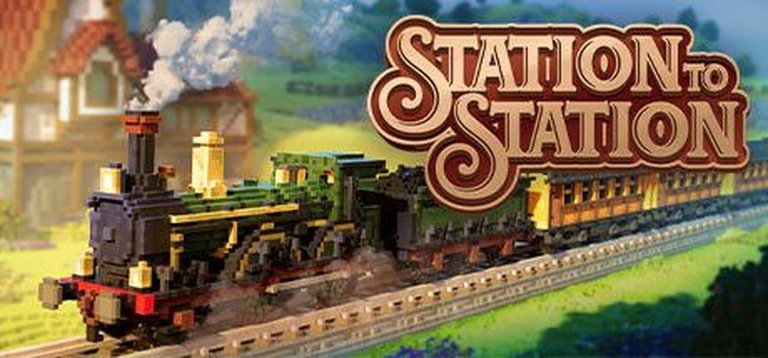
Station to Station is a meditative puzzle and city-building simulation game where players design and manage intricate railway networks in a charming, voxel-based world. With a focus on relaxing gameplay, free camera exploration, and a soothing aesthetic, the game challenges players to connect stations efficiently while enjoying the serene landscapes and calming soundtrack. Developed by Galaxy Grove B.V. and published by Prismatika GmbH, it offers a zen-like experience blending strategy and creativity.
Gameplay Videos
Where to Buy Station to Station
PC
Station to Station Free Download
Station to Station Cracks & Fixes
Station to Station Patches & Updates
Station to Station Guides & Walkthroughs
Station to Station Reviews & Reception
ign.com : Station to Station appeals to me at the deepest levels of my being.
metacritic.com (80/100): Station to Station is a relaxing, cozy railway planner with clear goals, flexibility in how you accomplish them, and the absolute perfect amount of challenge.
opencritic.com (81/100): Station to Station is a relaxing, cozy railway planner with clear goals, flexibility in how you accomplish them, and the absolute perfect amount of challenge.
techradar.com : The concept of Station to Station sounds incredibly simple at first, but this sweet pixelated world will enchant you for hours on end – regardless of your passion for trains or railway networks.
impulsegamer.com (86/100): Station to Station is more than just a railroad management game, it’s a puzzle game that will put your forward planning skills to the test.
Station to Station: A Masterclass in Relaxing Railway Puzzles
Introduction
In an era where video games often prioritize adrenaline-pumping action and high-stakes competition, Station to Station emerges as a breath of fresh air—a serene, meditative puzzle game that invites players to slow down, think strategically, and bask in the simple joy of building railway networks. Developed by Galaxy Grove and published by Prismatika, this indie gem has carved out a niche for itself in the crowded landscape of simulation and puzzle games. With its charming voxel art, soothing soundtrack, and deceptively deep gameplay, Station to Station offers a unique blend of relaxation and mental stimulation that appeals to both casual gamers and hardcore puzzle enthusiasts.
At its core, Station to Station is a game about connecting the dots—literally. Players are tasked with linking various buildings, such as farms, factories, and mines, to cities that require their resources. The goal is to create efficient railway networks that facilitate the flow of goods, all while managing a budget and navigating the terrain. What begins as a straightforward task quickly evolves into a complex puzzle, as players must consider the optimal placement of stations, the cost of tracks, and the logistics of resource distribution. The game’s brilliance lies in its ability to balance simplicity and depth, offering a gameplay experience that is both accessible and engaging.
Since its release on October 3, 2023, Station to Station has garnered widespread acclaim from critics and players alike. It has been praised for its relaxing atmosphere, beautiful visuals, and satisfying gameplay loop. However, it has also faced criticism for its limited accessibility options and the occasional frustration of having to restart levels due to poor planning. Despite these minor drawbacks, the game has resonated with a broad audience, from train enthusiasts to fans of cozy games and puzzle lovers.
This review will delve deep into the various aspects of Station to Station, exploring its development history, narrative and thematic elements, gameplay mechanics, world-building, and reception. By the end, we aim to provide a comprehensive analysis of what makes this game a standout title in the indie gaming scene and why it deserves a place in the pantheon of great puzzle games.
Development History & Context
The Studio and Creators’ Vision
Galaxy Grove, the studio behind Station to Station, is a relatively new player in the gaming industry, founded by Joost van Dongen, a veteran game developer with a rich history in the field. Van Dongen’s previous work includes notable titles such as Awesomenauts and Swords and Soldiers, both of which showcased his knack for blending engaging gameplay with unique art styles. With Station to Station, Van Dongen sought to create a game that captured the essence of railway management without the overwhelming complexity often associated with the genre.
The vision for Station to Station was clear from the outset: to craft a relaxing, minimalist game that focused on the joy of building railway connections. Van Dongen drew inspiration from his personal experiences, particularly his visits to railway museums with his young son, who was a train enthusiast. This personal connection to the subject matter infused the game with a sense of authenticity and passion that is evident in every aspect of its design.
Technological Constraints and Innovations
Developed using Unreal Engine 4, Station to Station leverages the power of modern game engines to create a visually stunning world. The use of voxel art, a style that harks back to classic pixelated graphics but with a three-dimensional twist, gives the game a distinctive and charming aesthetic. This artistic choice was not merely a stylistic preference but also a practical one, as voxel art allowed the developers to create detailed environments and objects with relative ease.
One of the key innovations in Station to Station is its procedural generation system, which powers the custom game mode. This feature allows players to create their own maps with varying biomes, industries, and difficulty levels, adding a layer of replayability and creativity to the game. The procedural generation system is a testament to the developers’ commitment to providing a dynamic and engaging experience for players.
The Gaming Landscape at Release
Station to Station was released at a time when the gaming industry was experiencing a surge in the popularity of cozy and relaxing games. Titles like Animal Crossing: New Horizons, Stardew Valley, and Dorfromantik had already demonstrated the appeal of games that prioritize relaxation and creativity over high-stakes competition. Station to Station fit neatly into this trend, offering a unique take on the genre with its focus on railway management and puzzle-solving.
The game’s release also coincided with a growing interest in indie games that emphasized accessibility and inclusivity. While Station to Station has been praised for its relaxing gameplay and beautiful visuals, it has also faced criticism for its limited accessibility options, highlighting the ongoing challenges in making games accessible to all players.
Narrative & Thematic Deep Dive
Plot and Characters
Station to Station is not a game driven by a traditional narrative. There are no protagonists, antagonists, or overarching storylines to follow. Instead, the game’s narrative is emergent, arising from the player’s interactions with the world and the gradual transformation of the landscape as railway networks are built. The absence of a conventional plot allows players to focus on the core gameplay mechanics and the satisfaction of solving puzzles.
The characters in Station to Station are the buildings and resources themselves. Each building, whether it’s a farm, a factory, or a city, has its own role to play in the game’s ecosystem. The relationships between these buildings—how they produce and consume resources—form the basis of the game’s puzzle mechanics. The player’s task is to facilitate these relationships by building efficient railway networks, thereby bringing life and color to the world.
Dialogue and Themes
Given the game’s minimalist approach, there is little in the way of dialogue or text. The game communicates with players primarily through visual and auditory cues, such as the spreading of color across the landscape as resources are connected and the soothing music that accompanies the player’s progress. This approach reinforces the game’s focus on relaxation and immersion, allowing players to lose themselves in the world without the distraction of excessive text or dialogue.
The themes of Station to Station are deeply rooted in the idea of connectivity and transformation. The game explores the ways in which infrastructure—specifically railway networks—can bring life and vitality to a landscape. As players connect buildings and resources, they witness the gradual transformation of barren landscapes into vibrant, thriving communities. This theme of transformation is further emphasized by the game’s visual design, which uses color and light to represent the spread of life and activity.
Another key theme is the balance between planning and adaptability. Station to Station challenges players to think ahead and plan their railway networks carefully, but it also requires them to adapt to changing circumstances, such as the unlocking of new buildings and resources. This balance reflects the real-world challenges of railway management, where careful planning must be combined with the flexibility to respond to unexpected developments.
Gameplay Mechanics & Systems
Core Gameplay Loop
The core gameplay loop of Station to Station revolves around the construction and management of railway networks. Players start each level with a small amount of money and a handful of buildings scattered across the map. Their task is to connect these buildings with railway tracks and stations, allowing resources to flow from production sites to consumption sites. As resources are successfully delivered, the landscape begins to transform, with color and life spreading across the map.
The gameplay is divided into several key phases:
-
Planning: Players must analyze the map and determine the most efficient way to connect the buildings. This involves considering the placement of stations, the cost of tracks, and the logistics of resource distribution.
-
Building: Once a plan is in place, players begin constructing the railway network. This involves placing stations near buildings and laying tracks to connect them. Players must also manage their budget, ensuring that they have enough money to complete the network.
-
Optimizing: As the network grows, players must optimize their routes to maximize efficiency and profitability. This may involve rearranging tracks, adding new stations, or using special cards to enhance certain routes.
-
Expanding: As players successfully deliver resources, new buildings and resources are unlocked, requiring them to expand their network and adapt to new challenges.
Combat and Character Progression
Station to Station is not a game that features traditional combat or character progression. Instead, the game’s challenge comes from the puzzle-solving aspect of building efficient railway networks. Players must use their strategic thinking and planning skills to overcome the obstacles presented by each level.
The game does feature a form of progression, however, in the form of unlockable content and achievements. As players complete levels and meet optional objectives, they unlock new biomes, industries, and locomotive models. These unlocks add variety and depth to the gameplay, encouraging players to revisit levels and experiment with different strategies.
UI and Innovative Systems
The user interface (UI) of Station to Station is designed to be intuitive and unobtrusive, allowing players to focus on the gameplay without distraction. The UI provides clear information about the player’s budget, the status of their railway network, and the objectives for each level. The game also features a checkpoint system, which allows players to save their progress and reload previous phases of the level if they get stuck.
One of the most innovative systems in Station to Station is the card system, which offers one-time boons to use on specific routes. These cards can provide benefits such as reduced track costs or increased profitability, adding a layer of strategic depth to the gameplay. The card system encourages players to think carefully about when and where to use their cards, enhancing the overall challenge and replayability of the game.
Flawed Systems
While Station to Station is generally well-designed, it is not without its flaws. One of the most significant criticisms of the game is its limited accessibility options. The game lacks features such as difficulty levels, gameplay assists, and visual assistance modes, which can make it challenging for players with disabilities to enjoy the game fully. Additionally, the game’s reliance on precise mouse movements for track placement can be frustrating for players with motor impairments.
Another flaw is the inability to demolish or move tracks once they are placed. This can lead to situations where players must restart a level from a checkpoint if they realize that their initial plan was flawed. While this adds a layer of challenge to the game, it can also be frustrating, particularly for players who prefer a more forgiving gameplay experience.
World-Building, Art & Sound
Setting and Atmosphere
Station to Station takes place in a series of idyllic, voxel-based landscapes, each with its own unique biome and aesthetic. The game features six different biomes, including grasslands, forests, deserts, and mountains, each with its own distinct visual style and environmental challenges. The landscapes are designed to be inviting and relaxing, with gentle hills, flowing rivers, and lush vegetation that gradually comes to life as players build their railway networks.
The atmosphere of Station to Station is one of tranquility and serenity. The game’s visual design, with its soft colors and gentle lighting, creates a sense of calm and relaxation. The absence of time pressure or high-stakes competition further enhances this atmosphere, allowing players to immerse themselves in the world and enjoy the process of building and exploring.
Visual Direction
The visual direction of Station to Station is a standout feature of the game. The use of voxel art gives the game a distinctive and charming aesthetic, reminiscent of classic pixelated graphics but with a modern, three-dimensional twist. The voxel art is meticulously crafted, with each building, tree, and animal designed to be visually appealing and easily distinguishable.
The game’s lighting and color palette are also noteworthy. The landscapes are bathed in soft, warm light, creating a sense of coziness and comfort. As players connect buildings and deliver resources, the landscape begins to transform, with color and life spreading across the map. This visual feedback is a key part of the game’s appeal, providing players with a tangible sense of progress and accomplishment.
Sound Design
The sound design of Station to Station is another highlight of the game. The soundtrack is soothing and melodic, with gentle guitar melodies and chimes that ebb and flow organically around the player’s actions. The music is adaptive, changing in response to the player’s progress and the transformation of the landscape. This creates a dynamic and immersive auditory experience that complements the game’s visual design.
The environmental sound design is also well-crafted, with chirping birds, babbling brooks, and the satisfying clackity-clack of trains moving along the tracks. These sounds add depth and realism to the world, enhancing the player’s sense of immersion and relaxation.
Reception & Legacy
Critical and Commercial Reception
Station to Station has received widespread acclaim from critics, with an average score of 82% based on 17 ratings. Critics have praised the game for its relaxing atmosphere, beautiful visuals, and satisfying gameplay loop. The game has been described as a “delightful gaming experience” and a “fantastic little game” that offers a unique blend of relaxation and mental stimulation.
Commercially, Station to Station has also been successful, with a strong showing on platforms like Steam. The game has garnered a “Very Positive” rating from players, with 89% of the 1,150 user reviews being positive. Players have praised the game for its charming visuals, soothing soundtrack, and engaging puzzle mechanics.
Evolution of Reputation
Since its release, Station to Station has continued to receive positive attention from both critics and players. The game’s reputation has been bolstered by its post-launch updates, which have added new content and features, such as the custom game mode and the inclusion of the demon spider-train, Choo-Choo Charles. These updates have kept the game fresh and engaging, encouraging players to return and explore new challenges.
The game’s reputation has also been enhanced by its strong community support. The developers have been active in engaging with players, responding to feedback, and addressing issues. This commitment to community engagement has helped to foster a positive and supportive player base, further enhancing the game’s reputation.
Influence on Subsequent Games
While it is still early to assess the full impact of Station to Station on the gaming industry, the game has already demonstrated the appeal of relaxing, puzzle-based games that prioritize accessibility and creativity. The success of Station to Station has shown that there is a strong market for games that offer a blend of relaxation and mental stimulation, and it has inspired other developers to explore similar concepts.
The game’s use of voxel art and procedural generation has also been influential, demonstrating the potential of these techniques to create visually stunning and dynamic worlds. The success of Station to Station has encouraged other developers to experiment with voxel art and procedural generation, leading to a wave of new games that prioritize creativity and player agency.
Conclusion
Station to Station is a masterclass in relaxing railway puzzles, offering a unique blend of relaxation and mental stimulation that appeals to a broad audience. The game’s charming voxel art, soothing soundtrack, and satisfying gameplay loop create a serene and immersive experience that is both accessible and engaging. While the game is not without its flaws, such as its limited accessibility options and the occasional frustration of having to restart levels, these drawbacks are outweighed by the sheer quality of the core experience.
The game’s success is a testament to the developers’ commitment to creating a relaxing and enjoyable experience for players. The use of voxel art and procedural generation, combined with the game’s focus on connectivity and transformation, creates a world that is both visually stunning and deeply satisfying to explore. The game’s post-launch updates and strong community support have further enhanced its reputation, ensuring that it remains a standout title in the indie gaming scene.
In conclusion, Station to Station is a must-play for fans of puzzle games, railway management sims, and cozy games. Its unique blend of relaxation and mental stimulation, combined with its beautiful visuals and soothing soundtrack, makes it a game that is both enjoyable and memorable. Whether you’re a seasoned puzzle enthusiast or a casual gamer looking for a relaxing experience, Station to Station offers something for everyone.