
- Release Year: 2020
- Platforms: Windows
- Publisher: R3 Games
- Developer: R3 Games
- Genre: Action
- Perspective: 3rd-person
- Game Mode: Single-player
- Gameplay: Mini-games, Party game
Description
Hive Mind is a 4X tabletop RPG where players take on the role of leaders of a swarm with a shared consciousness, such as bees, nanites, or alien hordes. The game emphasizes customization, allowing players to design their hive, castes, and characters while exploring diverse settings—from fantasy realms to cyberpunk dystopias. With a d10 dice pool system, strategic hive development, and a unique ‘Hive Meeting’ mechanic for cooperative decision-making, players must expand their domain, forge alliances, and overcome challenges in a dynamic, evolving world.
Where to Buy Hive Mind
PC
Hive Mind Cracks & Fixes
Hive Mind Patches & Updates
Hive Mind Guides & Walkthroughs
Hive Mind Reviews & Reception
theboardgamefamily.com : A hit with all the groups we played with and we only had one complaint – it looked like a children’s game.
gameshoutout.com : Hive Mind is the kind of game that creates stories. It’s not about winning. It’s about realizing three people said ‘marshmallow’ for favorite camping snack and laughing together about it.
reddit.com : I played it just once over the weekend and found I REALLY enjoyed this game.
Hive Mind Cheats & Codes
PC
Type the code at the player name screen.
| Code | Effect |
|---|---|
| TORYO | Unlocks level select |
Hive Mind: A Buzzing Cooperative Experience That Stings with Charm
Introduction: The Hive Awakens
In an era where cooperative games often lean toward high-stakes survival or competitive chaos, Hive Mind (2020) by R3 Games emerges as a delightful anomaly—a frantic, bee-themed management sim that blends teamwork, humor, and just enough stress to keep players engaged. Released on October 27, 2020, this indie title carves out a niche in the party-game landscape, offering a unique twist on the “work together or fail” formula. But does it soar like a queen bee or get lost in the swarm? This review dissects Hive Mind from its developmental roots to its lasting impact, exploring why it stands out in a crowded genre.
Development History & Context: The Birth of a Hive
The Studio Behind the Swarm
R3 Games, a relatively small but ambitious studio, developed and published Hive Mind as part of their portfolio of casual, multiplayer-focused titles. Known for games like Doge Simulator and Shadowless, R3 Games specializes in accessible, often humorous experiences. Hive Mind continues this trend, blending lighthearted visuals with cooperative mechanics.
The Vision: A Hive in Peril
The game’s premise is simple yet engaging: players take on the role of bees working together to prepare their hive for winter. The core loop involves gathering resources, managing morale, and fending off intruders—all while racing against time. The developers sought to create a game that was easy to pick up but challenging to master, emphasizing teamwork over individual skill.
Technological Constraints & Design Choices
Released in 2020, Hive Mind leverages modern but not cutting-edge technology. The game’s 3D cartoony aesthetic is optimized for low-to-mid-range PCs, ensuring broad accessibility. The developers prioritized smooth online co-op functionality, a feature that has become increasingly important in the post-pandemic gaming landscape.
The Gaming Landscape at Launch
At the time of Hive Mind’s release, the party-game genre was dominated by titles like Overcooked! and Fall Guys, which emphasized chaotic teamwork and competitive play. Hive Mind distinguished itself by focusing on a more structured, resource-management approach while retaining the humor and accessibility of its peers.
Narrative & Thematic Deep Dive: More Than Just Bees
Plot & Setting
Hive Mind’s narrative is minimal but effective. Players are bees in a hive preparing for winter, a premise that serves as a backdrop for the game’s cooperative mechanics. The lack of a deep story allows the gameplay to shine, but the setting is rich with charm and personality.
Characters & Dialogue
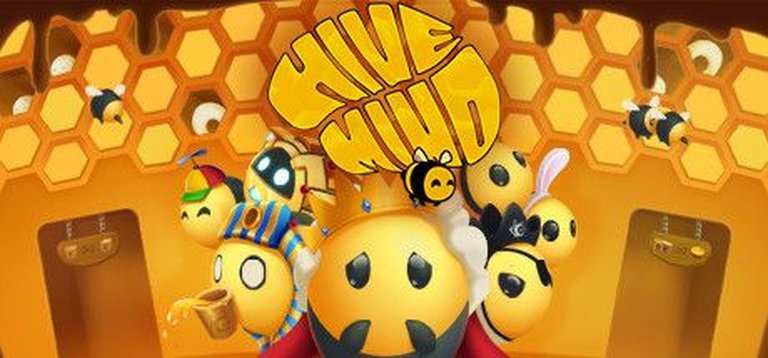
The game features a cast of quirky bee characters, each with distinct outfits and personalities. While there’s no traditional dialogue, the visual design and animations convey a sense of urgency and camaraderie. The “Reaper Bee,” for example, adds a touch of dark humor to the otherwise lighthearted experience.
Underlying Themes
At its core, Hive Mind explores themes of teamwork, resource management, and the consequences of failure. The game’s mechanics reinforce these themes, requiring players to communicate effectively and prioritize tasks to avoid disaster. The “morale” system, in particular, adds a layer of emotional stakes, as players must balance productivity with the well-being of their hive.
Gameplay Mechanics & Systems: The Hive in Motion
Core Gameplay Loop
Hive Mind’s gameplay revolves around managing a hive’s resources before winter arrives. Players must:
– Gather pollen from worker bees.
– Deliver resources to the appropriate stations.
– Maintain morale by keeping the hive happy.
– Defend against intruders that threaten the hive’s stability.
Combat & Progression
While not a traditional combat game, Hive Mind includes defensive mechanics where players must fend off intruders. The progression system is tied to the hive’s overall health, with players unlocking new outfits and abilities as they succeed.
UI & Accessibility
The game’s UI is clean and intuitive, with clear indicators for resource management and morale levels. The direct-control interface ensures that players can quickly adapt to their roles, though the lack of a tutorial may leave some newcomers confused.
Innovative & Flawed Systems
- Morale System: A unique mechanic that adds emotional weight to the gameplay.
- Outfit Customization: Allows players to express their individuality within the hive.
- Lack of Depth: Some players may find the gameplay repetitive after extended sessions.
World-Building, Art & Sound: A Hive of Color and Sound
Visual Direction
Hive Mind’s art style is vibrant and cartoony, with a focus on bright colors and exaggerated animations. The hive itself is a bustling, detailed environment, filled with interactive elements that reinforce the game’s themes.
Sound Design
The game’s soundtrack is upbeat and cheerful, complementing the lighthearted tone. Sound effects, such as the buzzing of bees and the hum of the hive, immerse players in the world.
Atmosphere & Immersion
The combination of visuals and sound creates a lively, engaging atmosphere. The game’s humor and charm make it accessible to players of all ages, though the lack of a deeper narrative may limit its appeal to those seeking a more immersive experience.
Reception & Legacy: A Hive’s Impact
Critical & Commercial Reception
Hive Mind received generally positive reviews from players, with praise for its cooperative mechanics and humor. However, the lack of critical reviews on platforms like Metacritic suggests that it did not achieve widespread mainstream attention.
Evolution of Reputation
Over time, Hive Mind has developed a cult following among fans of cooperative party games. Its unique blend of resource management and teamwork has earned it a place in the genre, though it remains overshadowed by more prominent titles.
Influence on Subsequent Games
While Hive Mind has not directly inspired major sequels or imitators, its emphasis on cooperative resource management has influenced smaller indie titles. The game’s success demonstrates the viability of niche cooperative experiences in a competitive market.
Conclusion: A Sweet but Short-Lived Buzz
Hive Mind is a charming, if somewhat shallow, cooperative experience that excels in its accessibility and humor. While it may not offer the depth of more complex management sims or the chaos of competitive party games, its unique premise and teamwork-focused mechanics make it a standout title in its genre. For players seeking a lighthearted, cooperative challenge, Hive Mind delivers a delightful, if brief, buzz of fun.
Final Verdict: 7.5/10 – A Hive Worth Visiting, But Not Living In
Hive Mind is a solid addition to the cooperative party-game genre, offering a refreshing take on teamwork and resource management. Its lack of depth and narrative may limit its long-term appeal, but its charm and accessibility make it a worthwhile experience for casual gamers and fans of cooperative play.