
- Release Year: 2017
- Platforms: Linux, Macintosh, Nintendo Switch, PlayStation 4, Windows, Xbox One
- Publisher: Iceberg Interactive B.V.
- Developer: Zoetrope Interactive
- Genre: Adventure
- Perspective: 1st-person
- Game Mode: Single-player
- Gameplay: Graphic adventure, Multiple endings, Puzzle elements
- Setting: Fantasy
- Average Score: 72/100
Description
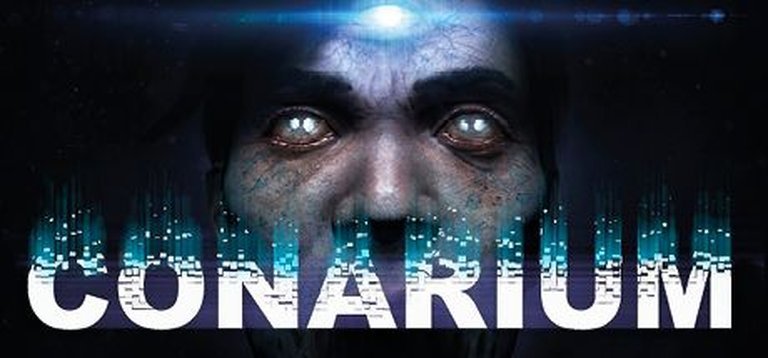
Conarium is a first-person Lovecraftian horror adventure game that immerses players in a chilling narrative inspired by H.P. Lovecraft’s ‘At the Mountains of Madness.’ Set in a mysterious Antarctic base, the game follows the story of Frank Gilman, a scientist who awakens in a surreal and nightmarish world filled with cosmic horrors and eerie puzzles. As players explore the desolate environment, they uncover dark secrets, encounter unsettling entities, and grapple with the fragility of the human mind in the face of the unknown. The game features atmospheric visuals, a haunting soundtrack, and multiple endings, delivering a deeply immersive experience that blends psychological horror with classic adventure gameplay.
Gameplay Videos
Where to Buy Conarium
Conarium Free Download
Conarium Patches & Updates
Conarium Mods
Conarium Guides & Walkthroughs
Conarium Reviews & Reception
metacritic.com (71/100): A truly amazing tribute to H.P Lovecraft.
polygon.com (75/100): Conarium could have pushed deeper, but it stays true to the spirit of Lovecraft’s work.
opencritic.com (70/100): Conarium could have pushed deeper, but it stays true to the spirit of Lovecraft’s work.
Conarium: A Lovecraftian Journey Through Madness and Mystery
Introduction
In the vast, frozen expanse of Antarctica, where the wind howls like a chorus of forgotten gods and the ice conceals secrets older than humanity itself, lies the abandoned research base Upuaut. Here, amidst the remnants of a doomed expedition, a lone scientist awakens with no memory of his past, his mind fractured by forces beyond comprehension. This is the haunting premise of Conarium, a first-person horror adventure game developed by Zoetrope Interactive and published by Iceberg Interactive. Released in 2017, Conarium is a love letter to the works of H.P. Lovecraft, drawing heavily from his novella At the Mountains of Madness while weaving a narrative that explores the boundaries of human consciousness, the horrors of the unknown, and the fragility of sanity.
Conarium is not just a game; it is an experience, a descent into madness that challenges players to piece together a mystery shrouded in cosmic horror. With its atmospheric visuals, eerie soundtrack, and a narrative that unfolds through exploration and discovery, Conarium stands as a testament to the enduring appeal of Lovecraftian horror in the digital age. This review will delve deep into the game’s development history, narrative intricacies, gameplay mechanics, world-building, and its reception and legacy, offering a comprehensive analysis of what makes Conarium a unique and memorable entry in the horror genre.
Development History & Context
The Studio and Creators’ Vision
Zoetrope Interactive, a Turkish indie game development studio, is the creative force behind Conarium. Founded by Galip Kartoğlu, Onur Şamlı, and Oral Şamlı, the studio has a history of crafting psychological horror experiences, with previous titles like Darkness Within: In Pursuit of Loath Nolder and Darkness Within 2: The Dark Lineage under their belt. These earlier works laid the groundwork for Conarium, showcasing the team’s prowess in creating immersive, narrative-driven horror games.
The vision for Conarium was clear from the outset: to create a game that not only paid homage to Lovecraft’s mythos but also expanded upon it in meaningful ways. The developers sought to capture the essence of Lovecraft’s cosmic horror, where the true terror lies not in the monsters themselves but in the incomprehensible vastness of the universe and the insignificance of humanity within it. This vision was realized through a meticulous blend of storytelling, environmental design, and atmospheric tension.
Technological Constraints and Innovations
Developed using the Unreal Engine 4, Conarium leverages the engine’s advanced visual capabilities to create a world that is both beautiful and unsettling. The game’s environments, from the claustrophobic corridors of the Upuaut research base to the vast, otherworldly landscapes beneath the ice, are rendered with a level of detail that enhances the sense of immersion. The use of dynamic lighting and shadow effects further amplifies the game’s eerie atmosphere, casting long, ominous shadows that hint at unseen horrors lurking just out of sight.
One of the key innovations in Conarium is the Conarium device itself, a mysterious artifact that serves as both a narrative device and a gameplay mechanic. The device, worn on the protagonist’s left hand, allows players to experience hallucinatory visions and alternate realities, adding a layer of psychological depth to the gameplay. This mechanic not only drives the story forward but also challenges players to question the nature of reality within the game’s world.
The Gaming Landscape at Release
Conarium was released in June 2017, a time when the horror genre was experiencing a resurgence in popularity. Games like Amnesia: The Dark Descent, Outlast, and SOMA had already set a high bar for atmospheric horror, and Conarium sought to carve out its own niche within this competitive landscape. The game’s focus on Lovecraftian themes and its emphasis on exploration and puzzle-solving over traditional combat set it apart from its contemporaries, offering a unique blend of horror and adventure that appealed to fans of both genres.
The gaming community’s reception to Conarium was mixed but generally positive, with many praising the game’s faithful adaptation of Lovecraft’s themes and its immersive atmosphere. However, some critics noted that the game’s puzzles were simplistic and that its pacing could be uneven. Despite these criticisms, Conarium managed to find an audience among horror enthusiasts and Lovecraft fans, cementing its place as a notable entry in the genre.
Narrative & Thematic Deep Dive
Plot Overview
Conarium follows the story of Frank Gilman, a scientist who awakens in the abandoned Upuaut research base in Antarctica with no memory of how he got there. As Frank explores the base, he discovers that his colleagues have vanished, leaving behind only cryptic notes and disturbing clues about their fate. The game’s narrative unfolds through a series of flashbacks, visions, and environmental storytelling, gradually revealing the dark secrets that led to the expedition’s downfall.
The central mystery of Conarium revolves around the eponymous device, a mysterious artifact that the expedition’s leader, Dr. Faust, believed could transcend the limits of human consciousness. As Frank delves deeper into the base’s secrets, he uncovers the true nature of the Conarium and the horrors it has unleashed. The game’s story is a complex web of intrigue and cosmic horror, with themes of madness, forbidden knowledge, and the fragility of the human mind.
Characters and Dialogue
The characters in Conarium are few but memorable, each playing a crucial role in the unfolding mystery. Frank Gilman, the protagonist, is a complex figure whose journey from amnesiac scientist to cosmic explorer forms the heart of the game’s narrative. Dr. Faust, the expedition’s leader, is a charismatic but ultimately tragic figure whose obsession with the Conarium leads to his downfall. The other members of the expedition, including Erik Dahlberg, Valentina Illyanova, and Augustus Rogers, are explored through notes and recordings, their fates intertwined with the horrors they uncovered.
The dialogue in Conarium is sparse but effective, with Frank’s internal monologues and the scattered notes and recordings providing much of the narrative context. The game’s writing is steeped in Lovecraftian language, with a focus on the incomprehensible and the unspeakable. This approach to dialogue and storytelling enhances the game’s sense of mystery and dread, leaving players to piece together the story’s fragments on their own.
Themes and Symbolism
Conarium is rich with themes and symbolism that draw from Lovecraft’s mythos and beyond. The game explores the idea of forbidden knowledge, the dangers of seeking to understand the incomprehensible, and the fragility of the human mind when confronted with the vastness of the cosmos. The Conarium device itself is a powerful symbol of humanity’s hubris, representing the desire to transcend the limits of human understanding and the consequences that follow.
The game’s setting in Antarctica is also significant, serving as a metaphor for the isolation and desolation that comes with the pursuit of forbidden knowledge. The frozen wasteland is a place where the rules of reality seem to bend and break, where the boundaries between the known and the unknown blur. This setting enhances the game’s themes of cosmic horror, emphasizing the insignificance of humanity in the face of the vast, indifferent universe.
Gameplay Mechanics & Systems
Core Gameplay Loops
Conarium is primarily a first-person adventure game with a strong emphasis on exploration and puzzle-solving. Players take on the role of Frank Gilman as he navigates the abandoned Upuaut research base and the surrounding environments, uncovering clues and solving puzzles to progress the story. The game’s core gameplay loop involves exploring new areas, collecting items and notes, and using these to solve puzzles that unlock further sections of the game.
The game’s puzzles are varied and often require players to think creatively, combining items and using environmental clues to progress. Some puzzles are straightforward, involving simple tasks like finding a key or activating a switch, while others are more complex, requiring players to decipher ancient symbols or navigate maze-like environments. The game’s puzzle design is generally well-balanced, offering a mix of challenge and accessibility that keeps players engaged without becoming frustrating.
Combat and Character Progression
Unlike many horror games, Conarium does not feature traditional combat mechanics. Instead, the game focuses on atmospheric tension and psychological horror, with players often needing to evade or hide from supernatural threats rather than confront them directly. This approach to gameplay enhances the game’s sense of vulnerability and dread, emphasizing the protagonist’s helplessness in the face of the unknown.
Character progression in Conarium is tied to the narrative and the player’s exploration of the game’s world. As Frank uncovers more of the story and gains a deeper understanding of the Conarium device, his perceptions of reality begin to shift, leading to new abilities and insights. This progression is subtle but effective, adding a layer of psychological depth to the gameplay.
UI and Innovative Systems
The game’s user interface is minimalist and intuitive, with a focus on immersion and ease of use. The inventory system is straightforward, allowing players to easily manage collected items and notes. The game also features a unique mechanic involving the Conarium device, which allows players to experience hallucinatory visions and alternate realities. This mechanic is seamlessly integrated into the gameplay, adding a layer of psychological depth and enhancing the game’s sense of mystery and dread.
One of the game’s most innovative systems is its use of environmental storytelling. Rather than relying on traditional cutscenes or dialogue-heavy exposition, Conarium tells its story through the environment itself. Players uncover the game’s narrative by exploring the abandoned research base, reading notes and journals, and piecing together the clues left behind by the expedition’s members. This approach to storytelling is immersive and engaging, encouraging players to actively participate in the narrative rather than passively observe it.
World-Building, Art & Sound
Setting and Atmosphere
Conarium is set in a meticulously crafted world that blends the mundane with the supernatural. The game’s primary setting is the Upuaut research base, a sprawling complex of laboratories, living quarters, and storage areas that have been abandoned in the wake of a mysterious disaster. The base is a character in its own right, with its claustrophobic corridors and eerie silence contributing to the game’s sense of isolation and dread.
Beyond the research base, players explore a variety of environments, including vast ice caverns, ancient ruins, and otherworldly landscapes. Each of these environments is richly detailed, with a distinct visual style that enhances the game’s sense of place. The game’s use of lighting and shadow is particularly effective, casting long, ominous shadows that hint at unseen horrors lurking just out of sight.
Visual Direction
The visual direction in Conarium is a masterclass in atmospheric horror. The game’s environments are rendered with a level of detail that is both beautiful and unsettling, with a color palette that emphasizes the cold, desolate nature of the Antarctic setting. The use of dynamic lighting and shadow effects further enhances the game’s eerie atmosphere, creating a sense of tension and dread that permeates every aspect of the gameplay.
The game’s character models and animations are also well-crafted, with a focus on realism and immersion. The protagonist’s movements are fluid and natural, and the game’s use of first-person perspective enhances the sense of presence and vulnerability. The game’s visual design is a testament to the developers’ skill and attention to detail, creating a world that is both believable and deeply unsettling.
Sound Design
The sound design in Conarium is a crucial element of the game’s atmospheric horror. The game’s soundtrack is a haunting blend of ambient noise, eerie melodies, and unsettling sound effects that create a sense of tension and dread. The use of sound is particularly effective in the game’s more intense moments, with sudden bursts of noise and music heightening the sense of fear and unease.
The game’s voice acting is also well-done, with the protagonist’s internal monologues and the scattered notes and recordings providing much of the narrative context. The game’s use of sound is a testament to the developers’ understanding of the importance of audio in creating a truly immersive horror experience.
Reception & Legacy
Critical Reception
Conarium received mixed but generally positive reviews from critics upon its release. The game was praised for its faithful adaptation of Lovecraft’s themes, its immersive atmosphere, and its engaging narrative. Critics highlighted the game’s use of environmental storytelling and its effective sound design as particular strengths. However, some critics noted that the game’s puzzles were simplistic and that its pacing could be uneven.
The game’s reception on platforms like Steam was more favorable, with many players praising the game’s atmosphere and storytelling. The game’s mixed critical reception is a testament to its ambitious nature, with its strengths and weaknesses both contributing to its unique identity within the horror genre.
Commercial Success and Influence
While Conarium did not achieve blockbuster sales figures, it found a dedicated audience among horror enthusiasts and Lovecraft fans. The game’s success on platforms like Steam and its subsequent ports to consoles like the PlayStation 4, Xbox One, and Nintendo Switch demonstrate its enduring appeal. The game’s influence can be seen in subsequent horror titles that have drawn inspiration from its atmospheric storytelling and psychological horror elements.
Conarium has also been recognized within the gaming industry, winning awards like “Game of the Year” and “Best PC Game” at the Kristal Piksel Video Game Awards in 2017. The game’s showcase at the IndieCade Festival 2017 further highlights its significance as a notable entry in the indie horror genre.
Conclusion
Conarium is a haunting and immersive journey into the heart of Lovecraftian horror. With its atmospheric visuals, eerie soundtrack, and a narrative that unfolds through exploration and discovery, the game offers a unique and memorable experience that challenges players to piece together a mystery shrouded in cosmic horror. While the game’s puzzles and pacing may not be perfect, its strengths far outweigh its weaknesses, making it a standout entry in the horror genre.
For fans of Lovecraft’s works and horror enthusiasts alike, Conarium is a must-play experience that captures the essence of cosmic horror and the fragility of the human mind when confronted with the unknown. The game’s legacy as a faithful adaptation of Lovecraft’s themes and its influence on subsequent horror titles cement its place as a significant entry in the genre. Whether you’re a seasoned horror veteran or a newcomer to the world of Lovecraftian horror, Conarium offers a journey that is as thought-provoking as it is terrifying.