
- Release Year: 2008
- Platforms: iPad, iPhone, Macintosh, Windows
- Publisher: Big Fish Games, Inc, Intenium GmbH, Puzzle Lab
- Developer: Puzzle Lab
- Genre: Action
- Perspective: Diagonal-down
- Game Mode: Single-player
- Gameplay: Point and select, Time management
Description
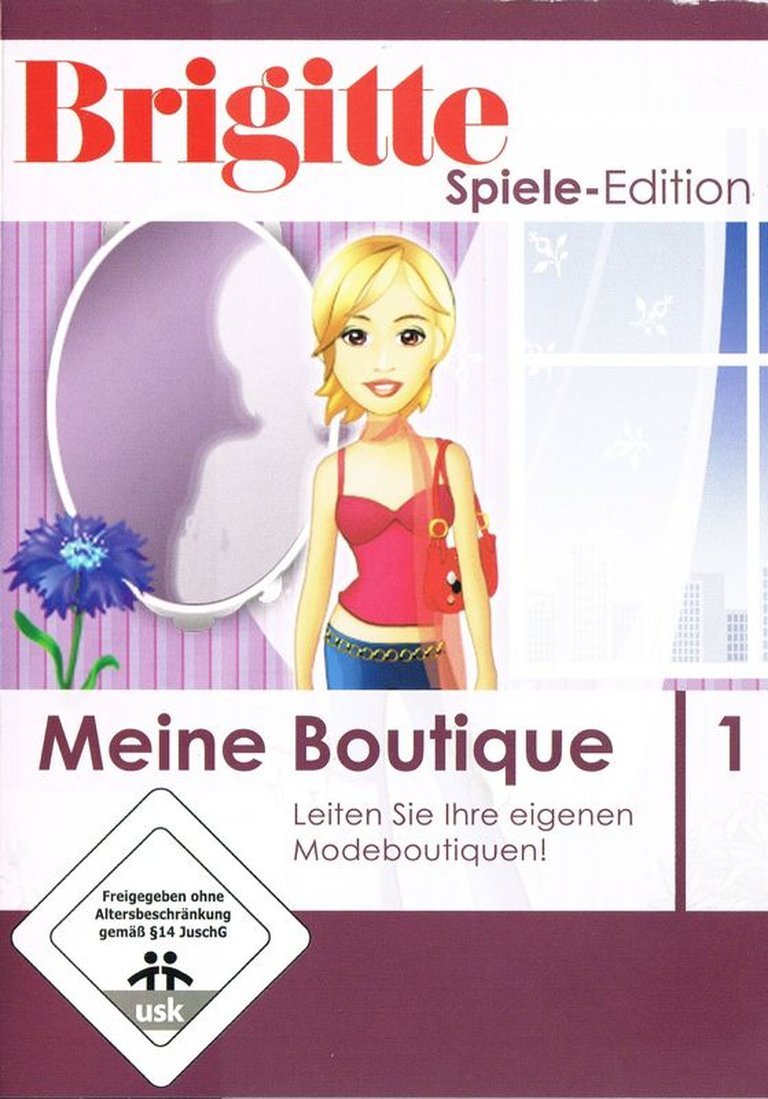
Posh Boutique is a time management game where players run a high-end fashion boutique, serving stylish clients and keeping them happy by selecting the perfect outfits. Set in a chic, diagonal-down perspective with a fixed/flip-screen visual style, the game challenges players to manage their boutique efficiently, earn money, and unlock upgrades while striving for top-tier service. Developed by Puzzle Lab and published by Intenium GmbH and Big Fish Games, it combines fast-paced gameplay with fashion-themed fun, offering a blend of strategy and creativity.
Posh Boutique Free Download
Posh Boutique Guides & Walkthroughs
Posh Boutique Reviews & Reception
gamezebo.com : Time management titles are a tricky beast. When done right, the results can be spectacular.
Posh Boutique: A Stylish Time Management Gem of the Late 2000s
Introduction: The Rise of a Fashionable Empire
In the late 2000s, the casual gaming market was flooded with time management titles, each vying for attention with increasingly niche themes. Amid this crowded landscape, Posh Boutique (2008) emerged as a standout—a charming, fast-paced simulation that blended retail management with fashion flair. Developed by Puzzle Lab and published by Big Fish Games, Posh Boutique offered players the chance to step into the stylish shoes of Alicia, a young woman tasked with running her grandmother’s high-end clothing empire.
At its core, Posh Boutique was a time management game with a fashion-forward twist, challenging players to balance customer service, inventory management, and store upgrades while keeping up with the demands of a diverse clientele. Its success lay in its accessible yet engaging mechanics, vibrant presentation, and addictive progression system, making it a beloved entry in the genre.
This review will dissect Posh Boutique in exhaustive detail, exploring its development, narrative, gameplay, aesthetic design, and lasting influence. By the end, we’ll determine whether it deserves its place as a hidden gem of casual gaming or if it remains a forgotten relic of its era.
Development History & Context: The Birth of a Boutique Empire
The Studio Behind the Game: Puzzle Lab’s Casual Gaming Expertise
Posh Boutique was developed by Puzzle Lab, a studio specializing in casual and time management games. Founded in the mid-2000s, Puzzle Lab carved a niche in the browser and downloadable game market, producing titles like Charm Tale 2: Mermaid Lagoon and Koi Solitaire. Their games were known for polished mechanics, bright visuals, and family-friendly themes, making them a perfect fit for platforms like Big Fish Games and RealArcade.
The team behind Posh Boutique consisted of 18 developers, including:
– Andrey Fomin & Anastasia Fomina (likely key designers)
– Sergey Eybog (a prolific contributor to multiple Puzzle Lab titles)
– Rachel Douglas (potentially handling narrative or localization)
– Strategic Music & Somatone Interactive Audio (sound design)
Their collective experience in time management and puzzle games ensured that Posh Boutique would be mechanically sound, even if it didn’t reinvent the wheel.
Technological Constraints & Design Philosophy
Released in September 2008, Posh Boutique was built for Windows PCs (with later ports to Mac, iPhone, and iPad). The game’s technical specifications were modest:
– Fixed/flip-screen perspective (diagonal-down view)
– Point-and-click interface (mouse-driven gameplay)
– CD-ROM distribution (later digital downloads)
The Flash-based nature of the game (as seen in its browser iterations) meant it was lightweight and accessible, but also limited in graphical complexity. Despite these constraints, Puzzle Lab managed to create a visually appealing experience with smooth animations, detailed character sprites, and a lively color palette.
The Gaming Landscape of 2008: A Golden Age for Time Management Games
The late 2000s were a boom period for casual games, particularly time management simulations. Titles like:
– Diner Dash (2004)
– Cake Mania (2006)
– Farm Frenzy (2007)
– Miss Management (2008)
dominated the market, proving that fast-paced, goal-oriented gameplay could appeal to a broad audience. Posh Boutique entered this space with a fashion-themed hook, differentiating itself from restaurant and farm simulators.
Its primary audience was young women, a demographic that publishers like Big Fish Games actively courted. The game’s pastel aesthetics, upbeat tone, and shopping-centric gameplay were tailored to this group, though its addictive mechanics ensured broader appeal.
The Evolution of the Series
Posh Boutique was successful enough to warrant a sequel, Posh Boutique 2 (2009), which expanded on the original with new mini-games, hidden object segments, and international boutiques. The series’ legacy can also be seen in later fashion management games like:
– Imagine: Boutique Owner (2009, Nintendo DS)
– Style Savvy: Styling Star (2017, Nintendo 3DS)
– My Universe: Fashion Boutique (2020, multiplatform)
While Posh Boutique wasn’t the first fashion management game, it helped solidify the subgenre, proving that retail simulations could be just as engaging as restaurant or farm-based ones.
Narrative & Thematic Deep Dive: Alicia’s Fashionable Journey
Plot Summary: From Birthday Gift to Business Empire
Posh Boutique follows Alicia, a young woman who, on her birthday, receives an unexpected gift from her grandmother, Lily: ownership of a chain of high-end boutiques. What begins as a small, single-store operation quickly expands into a global fashion empire, with Alicia managing boutiques in exotic locations (cruise ships, beach resorts, trade centers).
The story is lighthearted and aspirational, reinforcing themes of:
– Entrepreneurship (building a business from the ground up)
– Fashion as self-expression (dressing customers in styles that suit them)
– Customer service excellence (keeping clients happy to grow the business)
While the narrative is minimalist, it serves its purpose—providing context for the gameplay rather than delivering a deep, character-driven experience.
Characters & Customer Archetypes
Alicia is the player’s avatar, but the real stars of Posh Boutique are the customers, each with distinct personalities and preferences:
– Chic Fashionistas (demanding but high-spending)
– Grumpy Businessmen (impatient, prefer formal wear)
– Elderly Shoppers (slow-moving, enjoy classic styles)
– Teenagers (trend-focused, love accessories)
– VIPs (elite clients who return for private consultations)
The game’s humor and charm come from these interactions—customers react visibly to outfit choices, with exclamations of delight or disappointment adding personality to the experience.
Themes: Consumerism, Aspiration, and the Fantasy of Retail
Posh Boutique taps into several cultural themes:
1. The Fantasy of Ownership – Many players dream of running their own business, and Posh Boutique lets them live that fantasy in a low-stakes, gamified way.
2. Fashion as Power – The game reinforces the idea that clothing choices influence confidence and social perception, a common trope in fashion media.
3. The Rush of Consumerism – The addictive loop of earning money, upgrading the store, and attracting more customers mirrors real-world retail dynamics.
4. Gendered Play – The game’s pastel aesthetics, fashion focus, and female protagonist clearly target a young female audience, reflecting the marketing trends of casual games in the 2000s.
While some critics might dismiss it as “girly” or superficial, Posh Boutique’s themes are intentionally aspirational, offering a fantasy of success that resonated with its audience.
Gameplay Mechanics & Systems: The Art of Retail Management
Core Gameplay Loop: Serve, Upgrade, Expand
Posh Boutique follows a classic time management structure:
1. Customers enter the store with specific fashion needs (indicated by thought bubbles).
2. Players guide them to the correct section (clothing racks, shoe displays, accessory counters).
3. Players help them select outfits via mini-games (matching items to preferences).
4. Customers pay at the cash register, earning money.
5. Profits are reinvested into store upgrades (more counters, faster service, decor improvements).
This loop is repeated across 49 levels (7 boutiques × 7 days each), with increasing difficulty as customer demands grow.
Key Mechanics Breakdown
1. Customer Service & Prioritization
- Thought Bubbles indicate what customers want (e.g., a dress, shoes, a hat).
- Mood Meter (smiley faces) shows patience levels—ignored customers leave angry.
- VIPs require extra attention but reward bonus cash and return visits.
2. Mini-Games & Outfit Selection
- Static Matching – Customers describe an item; players select the correct one from a grid.
- Carousel Matching – Players scroll through options to find the right fit.
- VIP Consultations – Blurred images hint at desired outfits, requiring interpretation and quick selection.
3. Store Upgrades & Customization
- New Counters (expand inventory)
- Faster Service (reduce wait times)
- Decorations (attract more customers)
- Hired Help (e.g., a cleaner to maintain booths)
4. Trophies & Progression
- Achievements for perfect service, combos, and high sales.
- RPG-like upgrades (e.g., faster movement, better item selection).
- Unlockable boutiques in new locations.
Innovations & Flaws
What It Did Well:
✅ Fast-Paced & Addictive – Levels last 3-5 minutes, making it easy to play in short bursts.
✅ Variety in Customer Types – Each shopper has unique preferences, keeping gameplay fresh.
✅ Strategic Depth – Prioritizing VIPs, managing moods, and optimizing store layout add complexity.
✅ Reward System – Trophies, upgrades, and expanding boutiques provide long-term motivation.
Where It Stumbled:
❌ Repetitive Mini-Games – The matching mechanics become predictable after extended play.
❌ Limited Penalty for Failure – The game is forgiving, reducing tension.
❌ Occasional UI Hiccups – Some actions don’t cancel properly, leading to frustration.
❌ Gendered Marketing – The overtly “girly” presentation may have limited its appeal.
Comparison to Competitors
| Game | Setting | Key Mechanic | Target Audience |
|---|---|---|---|
| Diner Dash | Restaurant | Food service | Broad |
| Cake Mania | Bakery | Baking & decorating | Female-skewed |
| Posh Boutique | Fashion Store | Outfit matching | Young women |
| Farm Frenzy | Farm | Animal husbandry | Casual gamers |
Posh Boutique stood out by focusing on fashion, a niche that hadn’t been fully exploited in time management games at the time.
World-Building, Art & Sound: A Boutique That Pops
Visual Design: Pastel Perfection
Posh Boutique’s art style is bright, colorful, and inviting, with:
– Detailed character sprites (customers have distinct outfits and animations).
– Vibrant store interiors (each boutique has a unique theme—beach, cruise ship, urban chic).
– Smooth animations (customers react dynamically to outfit choices).
The diagonal-down perspective (similar to The Sims) gives players a clear view of the store layout, making navigation intuitive.
Sound Design: Upbeat & Engaging
- Peppy background music sets a lighthearted tone.
- Voice clips (e.g., “Wow, perfect!” or “This isn’t what I wanted!”) add personality.
- Sound effects (cash register dings, footsteps) enhance immersion.
While the audio isn’t groundbreaking, it complements the gameplay without becoming annoying or repetitive.
Atmosphere: The Fantasy of Luxury Retail
The game succeeds in creating a sense of aspiration—players aren’t just managing a store, they’re building a fashion empire. The progression from a small boutique to a global chain reinforces the fantasy of success, making each upgrade feel rewarding.
Reception & Legacy: A Cult Classic or Forgotten Relic?
Critical Reception: Praise for Polish, Criticism for Repetition
Posh Boutique received moderately positive reviews, with critics praising:
✔ Addictive gameplay (Gamezebo called it “the type of game you can’t afford to leave on the rack”).
✔ Charming presentation (vibrant visuals, fun customer interactions).
✔ Smart upgrades system (encourages strategic reinvestment).
However, some criticized its repetitiveness and lack of innovation, noting that it didn’t stray far from the time management formula.
Commercial Success & Longevity
While exact sales figures are unclear, Posh Boutique was successful enough to warrant a sequel (Posh Boutique 2, 2009) and multiple ports (Mac, iOS). Its presence on Big Fish Games and casual gaming platforms ensured a steady stream of players in the late 2000s.
Influence on Later Games
Posh Boutique helped popularize fashion management games, influencing later titles like:
– Style Savvy (Nintendo 3DS)
– My Universe: Fashion Boutique (2020)
– The Widow’s Boutique (2023)
Its blend of time management and fashion became a template for future retail simulators.
Conclusion: A Stylish Success with Lasting Appeal
Posh Boutique (2008) is far from a revolutionary game, but it perfects the time management formula with charming presentation, addictive gameplay, and a fashion-forward twist. While it doesn’t break new ground, it executes its premise with polish, making it a standout in the casual gaming landscape of the late 2000s.
Final Verdict: 7.5/10 – A Must-Play for Time Management Fans
✅ Pros:
– Addictive, fast-paced gameplay
– Charming visuals and sound design
– Smart progression and upgrade system
– Unique fashion-themed hook
❌ Cons:
– Repetitive mini-games
– Limited narrative depth
– Overly “girly” marketing may alienate some players
Posh Boutique remains a hidden gem—not a masterpiece, but a delightful, well-crafted casual experience that deserves recognition in the history of time management games. If you enjoy retail simulations, fashion, or fast-paced strategy, this boutique is well worth a visit.
Final Rating: 7.5/10 – “A Polished, Addictive Fashion Empire Builder”