
- Release Year: 2022
- Platforms: Windows
- Publisher: ROSSCO Games
- Developer: ROSSCO Games
- Genre: Driving, Racing
- Perspective: 3rd-person
- Game Mode: Single-player
- Average Score: 72/100
Description
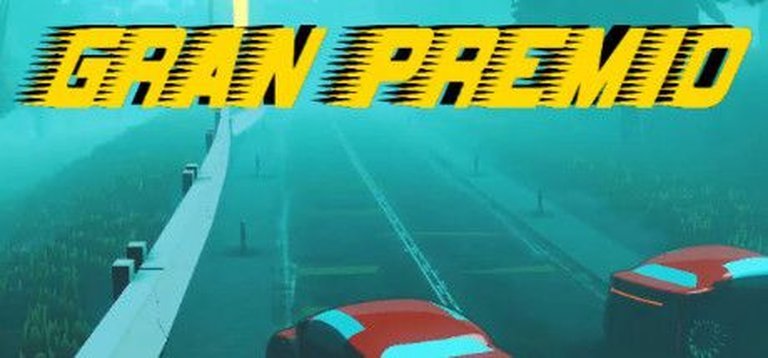
Gran Premio is a racing/driving game developed and published by ROSSCO Games, released on Windows in August 2022. The game offers a 3rd-person perspective with a behind-view camera, allowing players to experience high-speed automobile racing with direct control mechanics. Built using the Unity engine, Gran Premio aims to deliver an immersive racing experience, though specific details about its tracks, modes, or unique features are not widely documented. The game is available for free on Steam, suggesting an accessible entry point for racing enthusiasts.
Where to Buy Gran Premio
PC
Gran Premio Reviews & Reception
steambase.io (72/100): A fast-paced online multiplayer car racing game with a Mostly Positive rating.
store.steampowered.com (72/100): A fast-paced online multiplayer car racing game with a Mostly Positive rating.
Gran Premio Cheats & Codes
Gran Turismo PSP
At the main menu, hold the listed buttons and enter the below codes. If entered correctly, the menu will reload.
| Code | Effect |
|---|---|
| Hold Start + Select + R: Up, Right, Left, Left, Square, Up, Right, Right, Up, Triangle, Right, Up | Add all cars to the collection, in their first colour |
| Hold Start + Select + L: Down, Square, Down, Left, Right, Triangle, Right, Square, Up, Down, Up, Down | Set money to 99,000,000 Cr |
Gran Turismo 4
In order to use special cheats, a requirement of at least 365 in-game days must have passed. When the cheat is correctly performed, a sound will play, similar to entering a game mode from the main menu.
| Code | Effect |
|---|---|
| Select, Left, Right, Right, Down, Up, Up, Left, Down, Up, Right, Left, Down, L1, R1, Select | 10,000,000 Credits (GT Mode Screen) |
| Select, R2, Select, R2, L1, L2, L2, Select, L1, R1, Select, R1, Select | 10,000,000 Credits (Mission Hall) |
| Select, R1, Select, R1, Select, L2, L2, R2, R2, L1, Select, L1, Select | Passing any license test (bronze) |
| Select, Select, R1, R2, L2, L2, Select, L1, R1, Select, R2, L1, Select | Getting gold on any license test |
| Select, L1, Up, Up, Select, R1, Down, Down, Select, L2, Select, R2, Select | Getting gold on any race event/championship |
Gran Turismo 4 Spec II
A confirmation noise will play when any cheat is input correctly. The 365 day requirement has been removed in Spec II, meaning all cheats can be used from the very start of the game.
| Code | Effect |
|---|---|
| Left, Right, Right, Down, Up, Up, Left, Down, Up, Right, Left, Down, L1, R1 | 10,000,000 Credits |
| L2, R1, R1, R1, L1, L1, L2, R2 | Gold Any Race |
| R1, R1, L2, L2, R2, R2, L1, L1 | Gold Any Licence Category |
| R1, R2, L2, L2, L1, R1, R2, L1 | Gold Any Individual Licence |
| R1, R2, R1, R2, L1, L2, L2, R1, L1, R1, R1, R1, R2 | Pass Any Driving Mission |
Gran Premio: A Diamond in the Rough of Early Access Racing Games
Introduction
In the vast, high-octane world of racing games, where franchises like Gran Turismo and Forza Horizon dominate the landscape, Gran Premio emerges as a humble yet ambitious underdog. Released on August 14, 2022, by the indie studio ROSSCO Games, this free-to-play, online multiplayer racing game is a passion project that dares to carve its own niche. While it may lack the polish and budget of its AAA counterparts, Gran Premio offers a raw, unfiltered racing experience that, with time and community support, could evolve into something truly special. This review will dissect Gran Premio in its current state, exploring its strengths, weaknesses, and untapped potential, while also examining its place in the broader context of racing games and the indie development scene.
Development History & Context
The Studio Behind the Wheel
ROSSCO Games, a small indie studio, is the driving force behind Gran Premio. The game is the brainchild of Gavin Rector, who serves as both developer and publisher. Unlike major racing franchises backed by industry giants like Sony or Microsoft, Gran Premio is a labor of love, developed with limited resources but boundless ambition. The studio’s decision to release the game in Early Access on Steam reflects a commitment to iterative development, allowing players to shape the game’s future through feedback and community engagement.
Technological Constraints and Ambitions
Gran Premio is built using the Unity engine, a popular choice for indie developers due to its accessibility and flexibility. However, the game’s current state reveals the limitations of its development environment. The graphics, while functional, lack the photorealism of modern racing simulators, and the physics engine, though serviceable, feels less refined than those in established titles. Despite these constraints, the game’s lightweight design ensures it runs smoothly on a wide range of hardware, making it accessible to a broader audience.
The gaming landscape in 2022 was dominated by high-profile releases like Gran Turismo 7 and Forza Horizon 5, both of which set new benchmarks for visual fidelity and gameplay depth. In this competitive environment, Gran Premio’s decision to enter Early Access was a strategic move, allowing it to grow organically without the pressure of competing directly with AAA titles. The game’s free-to-play model further lowers the barrier to entry, inviting players to experience its potential without financial commitment.
The Vision: What Gran Premio Aims to Be
According to the developers, Gran Premio aspires to be more than just a racing game. The vision includes expanding the game with new features such as police chases, civilian traffic, and dynamic events like barricades. The current Early Access version, however, is a stripped-down experience, featuring only a handful of tracks (Alaska and Southern California) and cars (Porsche, Corvette, and Lamborghini). The developers have expressed their intention to keep the game in Early Access for 1-2 years, with plans to continuously add content based on community feedback.
This iterative approach is both a strength and a weakness. On one hand, it allows the game to evolve in response to player desires, fostering a sense of ownership among the community. On the other, it means that Gran Premio is currently a skeletal version of its potential self, lacking the depth and polish that players might expect from a racing game in 2022.
Narrative & Thematic Deep Dive
The Story: A Simple Yet Ambitious Framework
Gran Premio’s narrative is minimalistic, focusing on the universal racing game trope of rising through the ranks to become a champion. Players assume the role of an unnamed racer competing in a series of high-stakes races across various locations. While the story lacks the cinematic flair of titles like Gran Turismo’s GT Academy or Forza Horizon’s festival vibe, it serves as a functional framework for the gameplay.
The game’s official description hints at a deeper narrative potential, mentioning themes of rivalry and the pursuit of glory. However, in its current state, these themes are underdeveloped. The absence of a robust single-player campaign or character-driven storytelling means that Gran Premio relies heavily on its multiplayer and competitive elements to engage players.
Themes: Competition, Customization, and Community
At its core, Gran Premio is about the thrill of competition. The game emphasizes speed, skill, and strategy, challenging players to outmaneuver opponents in fast-paced races. The inclusion of vehicle customization, while limited in the Early Access version, hints at a broader theme of personalization and self-expression—a staple of modern racing games.
The game’s most compelling thematic element, however, is its focus on community. By releasing in Early Access and actively soliciting player feedback, Gran Premio positions itself as a collaborative project. The developers’ commitment to involving the community in the game’s evolution—through social media updates, polls, and Discord discussions—transforms players from mere consumers into co-creators. This theme of collective development is rare in the racing genre and gives Gran Premio a unique identity.
Dialogue and Character: The Missing Pieces
One of Gran Premio’s most glaring omissions is its lack of character development and dialogue. Unlike narrative-driven racing games like Need for Speed or The Crew, Gran Premio offers no NPC interactions, voice acting, or even text-based storytelling. This absence is felt keenly in the game’s current state, where races lack context and the world feels hollow.
The developers have an opportunity to rectify this in future updates. Introducing a cast of rival racers, each with distinct personalities and backstories, could add depth to the competitive experience. Even simple additions, such as pre-race banter or post-race commentary, would go a long way in making Gran Premio’s world feel alive.
Gameplay Mechanics & Systems
Core Gameplay Loop: Racing at Its Most Basic
Gran Premio’s gameplay is straightforward: players select a car, choose a track, and race against AI or human opponents. The controls are simple, with options for keyboard, gamepad, or wheel support, though the latter is notably less refined than in dedicated racing simulators. The game’s physics engine is arcade-like, prioritizing accessibility over realism. Cars handle loosely, with exaggerated drifts and minimal consequences for collisions, making it easy for newcomers to jump in but potentially frustrating for veterans seeking a more authentic experience.
The current Early Access version features only three tracks and three cars, which severely limits replayability. The tracks themselves are serviceable but lack the detail and variety seen in other racing games. Alaska’s snowy terrain and Southern California’s coastal roads offer distinct visual themes, but neither feels particularly memorable or challenging.
Multiplayer: The Heart of Gran Premio
Where Gran Premio shines brightest is in its multiplayer mode. The game supports online races with up to eight players, and the competitive experience is surprisingly smooth, with minimal lag or connectivity issues. The absence of a robust matchmaking system means that races are often filled with a mix of skill levels, but this also creates opportunities for unexpected upsets and underdog victories.
The multiplayer mode’s greatest strength is its potential for community-driven events. The developers have expressed plans to host in-game events, such as tournaments and time trials, which could foster a dedicated player base. If executed well, these events could transform Gran Premio from a forgettable indie racer into a vibrant competitive scene.
Progression and Customization: A Work in Progress
Gran Premio’s progression system is rudimentary at best. Players earn in-game currency by winning races, which can be used to unlock new cars and customization options. However, with only three cars currently available, the progression feels meaningless. The customization options are equally limited, with players able to change their car’s color but little else.
The developers have promised to expand these systems in future updates, including the addition of new cars, tracks, and cosmetic upgrades. If these promises are fulfilled, Gran Premio could develop a satisfying progression loop. For now, however, the lack of depth in this area is a significant drawback.
UI and Accessibility: Functional but Uninspired
The game’s user interface is functional but unremarkable. Menus are easy to navigate, and the HUD provides essential information such as speed, position, and lap times. However, the UI lacks the polish and personality of other racing games, feeling more like a placeholder than a finished product.
Accessibility options are similarly barebones. While the game supports multiple control schemes, there are no advanced settings for adjusting difficulty, assist features, or visual aids. This oversight limits the game’s appeal to players with disabilities or those who prefer a more tailored experience.
Innovative or Flawed Systems: Police Chases and Beyond
One of Gran Premio’s most intriguing promised features is the inclusion of police chases, a staple of arcade-style racing games like Need for Speed: Hot Pursuit. While this feature is not yet implemented, its potential addition could significantly enhance the game’s appeal. Police chases would introduce a dynamic element to races, forcing players to balance speed with evasion and adding a layer of strategy absent in traditional circuit racing.
Other planned features, such as civilian traffic and police barricades, could further differentiate Gran Premio from its competitors. If executed well, these elements could create a chaotic, high-stakes racing experience reminiscent of classic arcade racers.
World-Building, Art & Sound
Setting: A World Waiting to Be Built
Gran Premio’s world is currently underdeveloped. The game’s two tracks—Alaska and Southern California—offer distinct visual themes but lack the detail and immersion of other racing games. Alaska’s snowy landscapes and California’s coastal roads are rendered in a simplistic, almost cartoonish style, which may appeal to fans of arcade racers but will disappoint those seeking realism.
The game’s art direction is functional but uninspired. Cars and environments are modeled competently, but textures are often muddy, and lighting effects are basic. The game’s visual identity is further diluted by its lack of a cohesive aesthetic. The Porsche, Corvette, and Lamborghini models, while recognizable, feel out of place in the game’s low-poly world, creating a disjointed visual experience.
Sound Design: The Unsung Hero
One of Gran Premio’s most underrated aspects is its sound design. The game’s engine noises, while not as detailed as those in Gran Turismo or Forza, are surprisingly immersive. The roar of a Lamborghini’s engine, the screech of tires on asphalt, and the crunch of snow under wheels all contribute to a satisfying auditory experience. The absence of a licensed soundtrack is noticeable, but the developers have hinted at plans to add music in future updates.
The game’s sound effects are particularly effective in multiplayer races, where the cacophony of engines and collisions creates a sense of chaos and excitement. However, the lack of voice acting or ambient noise—such as crowd cheers or commentator chatter—makes the world feel empty.
Atmosphere: The Missing Ingredient
Gran Premio’s greatest weakness is its lack of atmosphere. Racing games thrive on the energy of competition, whether it’s the roar of a crowd, the tension of a photo finish, or the camaraderie of a pit crew. Gran Premio, in its current state, lacks these elements. Races feel sterile, with no sense of stakes or consequence.
The developers have an opportunity to rectify this by introducing dynamic weather effects, day-night cycles, and spectator crowds. Even simple additions, such as a commentator providing play-by-play analysis or a pit crew offering strategic advice, could transform the game’s atmosphere from forgettable to immersive.
Reception & Legacy
Critical Reception: A Mixed Bag
Gran Premio’s reception has been mixed, reflecting its status as an Early Access title. On Steam, the game holds a “Mostly Positive” rating based on 25 user reviews, with a Player Score of 72/100. Players praise the game’s potential, particularly its multiplayer mode and the developers’ responsiveness to feedback. However, criticisms abound regarding the game’s lack of content, underwhelming graphics, and rudimentary gameplay systems.
The game’s absence from major gaming publications and award ceremonies is unsurprising given its indie status and Early Access nature. However, its inclusion in niche communities and indie gaming circles suggests that it has found a small but dedicated audience.
Commercial Performance: A Free-to-Play Experiment
As a free-to-play title, Gran Premio’s commercial success is difficult to gauge. The game has reportedly sold an estimated 2,000 units (including digital and retail copies), a modest figure that reflects its niche appeal. The developers’ decision to monetize through optional donations rather than microtransactions or paywalls is commendable, though it remains to be seen whether this model will sustain long-term development.
Influence and Legacy: A Work in Progress
Gran Premio’s legacy is still being written. If the developers fulfill their promises—expanding the game’s content, refining its mechanics, and fostering a vibrant community—it could emerge as a cult classic in the racing genre. Its iterative, community-driven development model could also serve as a blueprint for other indie racing games, proving that passion and player engagement can compensate for limited resources.
However, if development stalls or the game fails to evolve beyond its current state, Gran Premio risks fading into obscurity, remembered only as a well-intentioned but ultimately forgettable experiment.
Conclusion: A Game with Potential, But a Long Road Ahead
Gran Premio is a game of contradictions. It is ambitious yet underdeveloped, promising yet unfinished, and engaging yet flawed. In its current Early Access state, it offers a barebones racing experience that lacks the depth, polish, and content of its competitors. However, its potential is undeniable. The developers’ commitment to community-driven development, combined with their ambitious roadmap, suggests that Gran Premio could one day evolve into a compelling racing game.
For now, Gran Premio is best suited for patients and enthusiasts—players who are willing to overlook its rough edges in exchange for the opportunity to shape its future. The game’s free-to-play model and multiplayer focus make it an easy recommendation for racing fans looking for something different, but those seeking a polished, content-rich experience should look elsewhere.
Final Verdict: 6.5/10 – A Promising but Unfinished Racer
Gran Premio is not the game it aspires to be—yet. With continued development, community support, and a few bold creative decisions, it could become a standout title in the indie racing scene. For now, it remains a diamond in the rough, waiting to be polished.
Recommendation: Worth a try for free, but temper your expectations. Keep an eye on its development—this could be one to watch in the years to come.