
- Release Year: 2022
- Platforms: Windows
- Publisher: RadGames
- Developer: RadGames
- Genre: Action
- Perspective: Diagonal-down
- Game Mode: Single-player
- Gameplay: Roguelike
- Setting: Fantasy
- Average Score: 100/100
Description
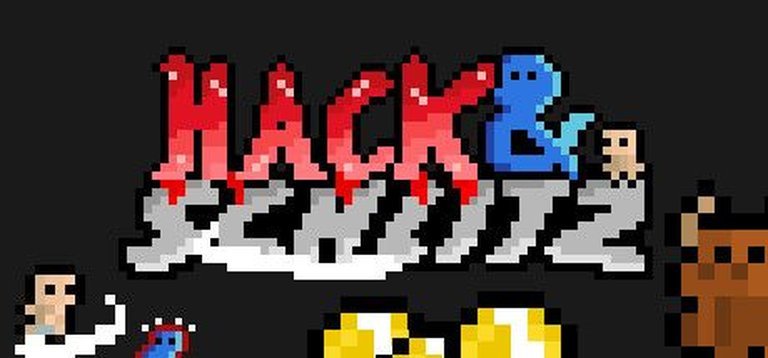
Hack & Schlitz is an epic, randomly generated arcade-style roguelike game set in a 2D pixel-art dungeon. Players navigate through procedurally generated rooms, choosing the difficulty of each subsequent challenge as they battle enemies, collect loot, and strive to survive. With a retro-inspired aesthetic and fast-paced hack-and-slash gameplay, the game blends classic dungeon-crawling mechanics with modern roguelike elements, offering a mix of strategy and action in a fantasy setting.
Where to Buy Hack & Schlitz
PC
Hack & Schlitz Patches & Updates
Hack & Schlitz Guides & Walkthroughs
Hack & Schlitz Reviews & Reception
steambase.io (100/100): A triumphant return to form for the series.
Hack & Schlitz: A Roguelike Love Letter to the Golden Age of Arcade Dungeon Crawlers
Introduction: The Unlikely Resurrection of a Classic Formula
In an era where roguelikes and roguelites dominate the indie landscape, Hack & Schlitz (2022) emerges as a curious artifact—a game that doesn’t just wear its influences on its sleeve but stitches them into its very DNA. Developed by the obscure yet passionate studio RadGames, this diagonal-down, pixel-art dungeon crawler is a deliberate throwback to the 1980s and 1990s, when games like Hack (1984), Gauntlet (1985), and NetHack (1987) ruled the hearts of hardcore gamers. Yet, Hack & Schlitz is more than mere nostalgia bait; it’s a refined, modernized take on the genre, blending the punishing randomness of traditional roguelikes with the accessibility of arcade-style scoring and progression.
At its core, Hack & Schlitz is a procedurally generated, score-chasing dungeon crawler where players navigate a labyrinth of rooms, battling slimes, skeletons, and other fantastical foes while managing risk versus reward. The game’s defining mechanic—choosing the difficulty of the next room—adds a layer of strategy rarely seen in the genre. Do you brave a high-difficulty chamber for more coins and points, risking a swift death, or play it safe, inching toward a modest high score?
With a 100% positive Steam rating (as of 2026) and a devoted, if niche, following, Hack & Schlitz stands as a testament to the enduring appeal of retro-inspired design. But does it transcend its influences, or is it merely a well-crafted homage? This review dissects every facet of the game—from its development history to its mechanical depth—to determine its place in the pantheon of roguelikes.
Development History & Context: A Labor of Love in the Shadows
The Studio Behind the Slash: Who Is RadGames?
RadGames is not a household name. Unlike indie darlings such as Motion Twin (Dead Cells) or Cellar Door Games (Rogue Legacy), the studio operates in relative obscurity, with Hack & Schlitz serving as its most prominent release to date. Little is known about the team’s background, but their work on this title suggests a deep reverence for classic dungeon crawlers and arcade-style gameplay.
The game first entered Steam Early Access on September 30, 2022, before receiving its full release on November 7, 2025—an unusually long development cycle for a title of its scope. This extended period hints at a passion project rather than a rushed cash-in on the roguelike trend. The decision to use Unity as the engine was likely a pragmatic one, allowing for rapid prototyping of its procedural dungeons and pixel-art aesthetics.
The Gaming Landscape: Why a Retro Roguelike in 2022?
The early 2020s were a golden age for roguelikes and roguelites, with games like Hades (2020), Spelunky 2 (2020), and Noita (2020) redefining the genre. Yet, Hack & Schlitz carves its own niche by rejecting narrative-driven progression in favor of pure, score-based arcade gameplay—a philosophy more akin to Pac-Man than Darkest Dungeon.
This design choice is a deliberate counterpoint to the storytelling-heavy roguelites of the era. While games like Hades and Risk of Rain 2 emphasize character arcs and unlockable lore, Hack & Schlitz strips the experience down to its core mechanical loop:
1. Enter a dungeon.
2. Fight monsters.
3. Choose your next challenge.
4. Die. Repeat.
In this sense, it’s less a modern roguelike and more a lost arcade cabinet from 1992, resurrected for a new generation.
Technological Constraints & Design Philosophy
Given its 2D pixel-art style and diagonal-down perspective, Hack & Schlitz could theoretically run on a Super Nintendo. Yet, its procedural generation and dynamic difficulty scaling suggest a more modern approach. The game’s Unity-based engine allows for:
– Seamless room transitions (no loading screens).
– Real-time enemy spawning based on difficulty selection.
– Steam Workshop support (though underutilized).
The decision to limit the game to Windows, Mac, and Linux (with no confirmed console ports) further reinforces its PC-centric, hardcore audience appeal.
Narrative & Thematic Deep Dive: Minimalism as a Virtue
The Story (Or Lack Thereof)
Hack & Schlitz has no traditional narrative. There is no protagonist with a backstory, no overarching quest, no lore-heavy codex. Instead, the game presents players with a simple premise:
“You are a warrior. The dungeon is infinite. Slay monsters. Get coins. Die. Try again.”
This anti-narrative approach is a bold rejection of modern gaming trends, where even the most mechanical roguelites (e.g., Slay the Spire) weave in some form of storytelling. Here, the only progression is skill-based, and the only reward is a higher score.
Themes: Risk, Reward, and the Illusion of Control
While Hack & Schlitz lacks a written story, its gameplay systems tell a story of their own—one about player agency, risk assessment, and the futility of greed.
-
The Difficulty Choice Mechanic – Before entering each new room, players select a difficulty level (Low, Medium, High). Higher difficulties yield more coins and points but also deadlier enemies and traps. This creates a psychological push-and-pull:
- “Do I play it safe and survive longer?”
- “Or do I gamble for a higher score, knowing I might lose everything?”
-
The Arcadian Fantasy – The game’s pixel-art dungeons, chiptune soundtrack, and retro enemy designs evoke a nostalgic fantasy—not of high fantasy epics, but of quarter-munching arcade cabinets where the only goal was to outlast your friends on the leaderboard.
-
Death as a Teacher – Unlike modern roguelites that offer meta-progression (permanent upgrades, new characters), Hack & Schlitz resets everything upon death. The only thing players carry forward is knowledge—which enemies to avoid, which items to prioritize, and when to cut their losses.
In this way, the game is less about fantasy heroism and more about the raw, unfiltered challenge of mastering a system.
Gameplay Mechanics & Systems: A Masterclass in Arcadian Design
Core Gameplay Loop: The Dungeon as a Slot Machine
Hack & Schlitz distills the roguelike experience into its purest form:
1. Spawn in a starting room (always the same layout).
2. Clear enemies (slimes, bats, skeletons, etc.).
3. Choose the next room’s difficulty (Low/Medium/High).
4. Repeat until death.
This loop is deceptively simple, but the difficulty selection mechanic adds strategic depth rarely seen in the genre.
Combat & Movement: Fast, Frantic, and Fair
- Controls – The game uses direct control (no grid-based movement), allowing for precise dodging and positioning.
- Weapon Variety – Players can find swords, axes, bows, and magic staves, each with distinct attack patterns.
- Enemy AI – Foes follow simple but effective behaviors:
- Slimes chase relentlessly.
- Skeletons shoot projectiles.
- Bats dart unpredictably.
- Hitbox Precision – Deaths always feel fair—a rarity in retro-inspired games.
The Difficulty Gambit: The Game’s Defining Mechanic
The room difficulty selection is where Hack & Schlitz innovates:
| Difficulty | Reward Multiplier | Enemy Density | Trap Frequency |
|---|---|---|---|
| Low | 1x | Few enemies | Rare traps |
| Medium | 1.5x | Moderate | Occasional |
| High | 2x | Swarms | Frequent |
This system forces players to engage with risk management in a way most roguelikes don’t. It’s not just about survival—it’s about optimizing score while mitigating loss.
Progression & Items: No Meta, Just Mastery
- No Permanent Upgrades – Unlike Rogue Legacy or Dead Cells, nothing carries over between runs.
- Randomized Loot – Players find weapons, boots (speed boosts), and consumables (health potions, bombs).
- Speed as a Meta-Game – The Steam Leaderboards encourage speedrunning, with the “HYPERSPEED” achievement requiring players to max out movement speed via item combos.
Flaws & Missed Opportunities
While Hack & Schlitz excels in core gameplay, it stumbles in a few areas:
– Lack of Enemy Variety – After 10 hours, players will have seen every enemy type, leading to repetition.
– No Boss Fights – A missed opportunity to break up the monotony.
– Underutilized Steam Workshop – The game supports mods, but the community is too small to capitalize on it.
World-Building, Art & Sound: A Pixelated Love Letter to the Past
Visual Design: The Aesthetic of a Lost Arcade Classic
- Pixel Art Style – The game’s 16-bit-inspired sprites and vibrant colors evoke The Legend of Zelda: A Link to the Past (1991) and Gauntlet (1985).
- Diagonal-Down Perspective – A rarely used angle in modern games, lending a unique tactical feel to combat.
- Procedural Dungeon Layouts – Rooms are randomly generated but follow logical design rules (no unfair spawns).
Sound & Music: Chiptune Nostalgia
- Soundtrack – A pulsing chiptune score that adapts to the action, speeding up during combat.
- Sound Effects – Crunchy sword slashes, enemy death squeals, and coin pickups all feel satisfyingly retro.
Atmosphere: The Dungeon as a Playground
Unlike dark, oppressive dungeon crawlers (e.g., Darkest Dungeon), Hack & Schlitz feels bright, fast, and inviting—more arcade cabinet than Gothic horror. The lack of lore means the dungeon is not a place, but a challenge—a test of reflexes and decision-making.
Reception & Legacy: A Cult Classic in the Making?
Critical & Commercial Reception
- Steam Reviews: 100% Positive (14/14) – A rare feat, indicating a passionate niche audience.
- No Metacritic/OpenCritic Coverage – The game flew under the radar of major critics, likely due to its indie obscurity.
- Commercial Performance – Priced at $2.49, it’s a budget title, but its long Early Access period suggests steady, if modest, sales.
Influence & Legacy
Hack & Schlitz is unlikely to revolutionize the roguelike genre, but it proves there’s still an audience for pure, score-based arcade dungeon crawlers. Its difficulty selection mechanic could inspire future indie devs to experiment with risk-reward systems beyond simple permadeath.
The Future: Will It Endure?
With no major updates since 2025 and a small but dedicated community, Hack & Schlitz risks fading into obscurity. However, its Steam Workshop support and modding potential could extend its lifespan if the fanbase grows.
Conclusion: A Flawed but Brilliant Homage to Arcade Roguelikes
Hack & Schlitz is not a game for everyone. It lacks the narrative depth of Hades, the meta-progression of Rogue Legacy, or the visual spectacle of Noita. What it does offer is something far rarer in modern gaming:
– A pure, unfiltered challenge.
– A love letter to 1990s arcade dungeon crawlers.
– A risk-reward system that forces players to think, not just react.
Final Verdict: 8.5/10 – A Hidden Gem for Roguelike Purists
Pros:
✅ Tight, responsive combat.
✅ Innovative difficulty selection mechanic.
✅ Perfectly balanced risk-reward gameplay.
✅ Gorgeous pixel art and chiptune soundtrack.
✅ 100% fair—deaths are always the player’s fault.
Cons:
❌ Lacks enemy/boss variety.
❌ No permanent progression (a pro for some, a con for others).
❌ Small community limits long-term replayability.
❌ Underutilized modding potential.
Who Should Play It?
- Fans of classic roguelikes (NetHack, ADOM).
- Arcade score chasers.
- Players who love *pure, mechanical challenge over storytelling.*
- Those nostalgic for *16-bit dungeon crawlers.*
Who Should Avoid It?
- Players who need *narrative or meta-progression.*
- Those who dislike *repetitive gameplay loops.*
- Gamers who prefer *modern roguelites with unlocks.*
Final Thoughts
Hack & Schlitz is not a revolutionary game, but it doesn’t need to be. It’s a refined, lovingly crafted experience that understands its audience and delivers exactly what it promises: a fast, fair, and endlessly replayable dungeon crawler. In an era where roguelikes are overflowing with content, Hack & Schlitz stands out by doing less, but doing it perfectly.
If you’ve ever dreamed of a world where Gauntlet met Spelunky in a neon-lit arcade, this is your game.
Now go forth, choose your difficulty wisely, and may your high score reign supreme. 🗡️🏆