
- Release Year: 2019
- Platforms: Nintendo Switch, Windows
- Publisher: Mediascape Co. Ltd.
- Developer: mumimumi
- Genre: Action
- Perspective: Side view
- Game Mode: Single-player
- Gameplay: Platform
- Setting: Fantasy
- Average Score: 100/100
Description
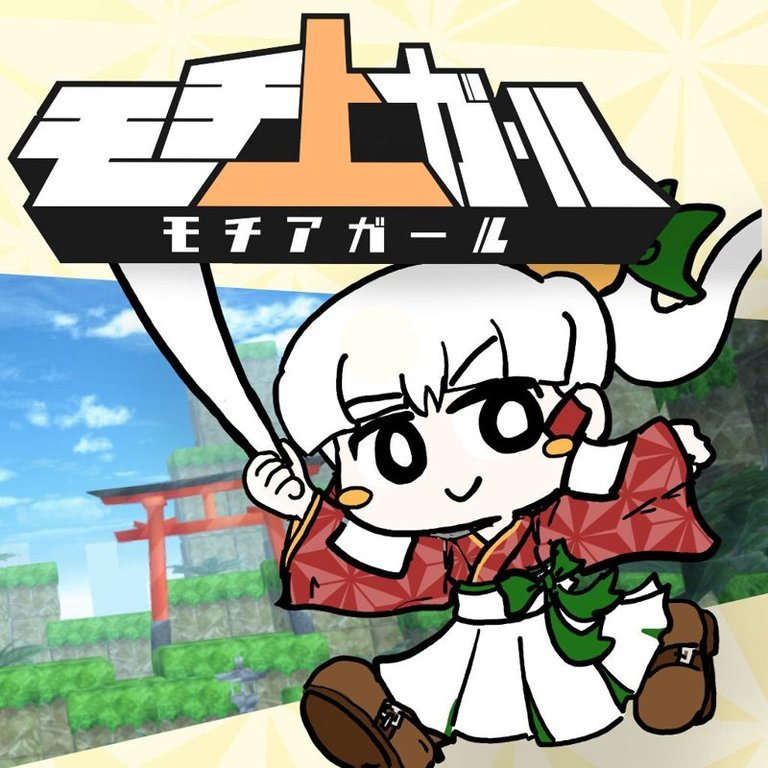
Mochi A Girl is a fast-paced, award-winning 2D platformer where players control a girl armed with a mochi whip, navigating through a whimsical fantasy world. With simple one-button controls, players can jump, grapple, and swing through levels, collecting sushi and overcoming obstacles to reach the goal. The game, developed by mumimumi and published by Mediascape Co. Ltd., blends action and platforming elements with a unique, playful aesthetic, offering accessible yet dynamic gameplay for all skill levels.
Where to Buy Mochi A Girl
PC
Mochi A Girl Free Download
Mochi A Girl Cracks & Fixes
Mochi A Girl Patches & Updates
Mochi A Girl Guides & Walkthroughs
Mochi A Girl Reviews & Reception
steambase.io (100/100): MOCHI A GIRL has earned a Player Score of 100 / 100.
Mochi A Girl: A Whimsical, One-Button Masterpiece of Momentum and Charm
Introduction: The Rise of a Cult Platformer
In an era where indie platformers often drown in a sea of retro-inspired pixel art and punishing difficulty, Mochi A Girl (2019) emerges as a breath of fresh air—a game that distills the essence of speed, fluidity, and joy into a single, deceptively simple button. Developed by the one-man studio mumimumi and published by Mediascape, this side-scrolling action-platformer is a love letter to the golden age of momentum-based gameplay, evoking comparisons to Sonic the Hedgehog and Umihara Kawase while carving out its own identity through sheer creativity.
At its core, Mochi A Girl is a celebration of minimalist design maximalist fun. With just the A button and an analog stick, players control Yuki, a plucky mochi-themed heroine, as she swings, dashes, and ricochets through 60 vibrant stages. The game’s brilliance lies in its flow—every action chains into the next, creating a rhythmic, almost musical experience where mastery feels like dancing through a dream.
Despite its niche appeal, Mochi A Girl has garnered critical acclaim, winning awards like the Japan Game Awards Under-18 Division Gold Prize and the Unity Inter High Grand Prize. Yet, it remains an underappreciated gem, overshadowed by bigger indie darlings. This review seeks to rectify that by dissecting its design philosophy, narrative quirks, mechanical depth, and cultural significance—proving why it deserves a place in the platformer pantheon.
Development History & Context: The Birth of a One-Man Wonder
The Vision of mumimumi: A Solo Developer’s Labor of Love
Mochi A Girl is the brainchild of mumimumi, a solo developer who handled programming, art, music, and design—a Herculean feat in indie game development. The project began as an entry in Unity Inter High 2018, where it won the Grand Prize, showcasing its potential early on. Mumimumi’s inspiration stemmed from a desire to revive the simplicity of classic platformers while infusing them with modern sensibilities.
The game’s development was deeply influenced by:
– Sonic the Hedgehog’s momentum-based design (where speed is both a reward and a challenge).
– Umihara Kawase’s grappling mechanics (though Mochi A Girl streamlines them into a single-button system).
– Japanese indie aesthetics, blending kawaii charm with surreal humor (e.g., sushi as collectibles, a moon with a face as a boss).
Technological Constraints & the Unity Engine
Built in Unity, Mochi A Girl leverages the engine’s flexibility to create smooth, physics-driven movement. The game’s one-button control scheme was a deliberate choice to:
1. Lower the barrier to entry (appealing to casual players).
2. Encourage mastery through depth (speedrunners and completionists find layers of complexity).
3. Emphasize fluidity—every action (jumping, swinging, dashing) is context-sensitive, making the A button a Swiss Army knife of movement.
The Gaming Landscape at Launch (2019-2023)
When Mochi A Girl debuted on Nintendo Switch (December 2019), the indie platformer scene was dominated by:
– Precision platformers (Celeste, Super Meat Boy).
– Metroidvanias (Hollow Knight, Ori and the Blind Forest).
– Roguelike platformers (Dead Cells, Rogue Legacy).
Mochi A Girl stood out by rejecting punishment-based design—there are no lives, no game overs, and enemies are obstacles rather than threats. This lenient approach made it accessible, but its short length (2-3 hours for a first playthrough) and steep price ($20) led to mixed initial reception.
The PC release (December 2023) expanded its reach, but the game remains a cult favorite rather than a mainstream hit—a testament to its niche appeal but also its underrated brilliance.
Narrative & Thematic Deep Dive: A Surreal, Sushi-Filled Odyssey
Plot Overview: A Minimalist, Whimsical Journey
Mochi A Girl follows Yuki, a cheerful, mochi-like girl on a quest to collect sushi and prove herself as the world’s best “Mochi Girl.” The story is lighthearted and absurd, with:
– No dialogue (outside of brief tutorial prompts).
– No traditional cutscenes (narrative is conveyed through level design and character interactions).
– A cast of bizarre foes, including:
– Mugi, a rival made of udon noodles.
– Marumochi-maru, a giant chick.
– Nasa-maru No. 4, a sentient, armed moon.
The game’s lack of a conventional plot is intentional—it’s a pure gameplay experience, where the joy comes from movement, discovery, and mastery rather than narrative depth.
Themes: Playfulness, Persistence, and the Joy of Motion
Beneath its cute exterior, Mochi A Girl explores subtle themes:
1. The Beauty of Simplicity
– The one-button design reinforces the idea that restrictions breed creativity.
– Players must adapt on the fly, turning limitations into opportunities (e.g., using the mochi whip to swing, dash, or bounce).
-
Momentum as a Reward
- Like Sonic, speed is earned through skill—the better you play, the faster and more exhilarating the experience becomes.
- The game punishes hesitation—stopping breaks the flow, reinforcing the theme of persistent forward motion.
-
Absurdity and Japanese Pop Culture
- The sushi collection mechanic is both a humorous gag (with bizarre variants like “air sushi” and “chocolate cake sushi”) and a metaphor for diversity.
- The boss battles (e.g., fighting a moon) embrace surrealism, reflecting Japan’s love of kawaii weirdness.
Character Design: Cute, Memorable, and Full of Personality
- Yuki – The protagonist’s mirror-like mochi design makes her visually distinct. Her expressive animations (e.g., stretching when swinging, bouncing when landing) give her personality without words.
- The Bosses – Each has a unique, exaggerated design that fits the game’s cartoonish tone:
- Mugi (Udon Rival) – A stretchy, noodle-based antagonist who taunts with playful gestures.
- Nasa-maru No. 4 – A moon with arms and a face, firing missiles in a sci-fi twist on traditional platformer bosses.
Gameplay Mechanics & Systems: The Art of One-Button Mastery
Core Gameplay Loop: Swing, Dash, Repeat
Mochi A Girl’s genius lies in its context-sensitive single-button control scheme:
– Press A to Jump – Standard platforming.
– Hold A to Extend Mochi Whip – Latches onto pegs, enemies, or environmental hooks.
– Release A to Swing/Dash – Momentum carries Yuki forward.
– Double-Tap A to Roll – Gains speed on walls or ceilings.
– Press A in Water to Torpedo – High-speed underwater movement.
This system creates a fluid, almost dance-like gameplay rhythm, where every input feels responsive and satisfying.
Level Design: A Masterclass in Momentum
The 60 stages (30 main + 30 Time Attack) are divided into themed zones:
– Bamboo Thicket (vertical climbing, swinging).
– Snow Field (slippery physics, ice-based gimmicks).
– Sea Coast (underwater sections, cannon launches).
– Wooden House (tight platforming, enemy-heavy).
Each level is short (1-3 minutes) but packed with replay value due to:
1. Three Hidden Sushi Pieces – Often require creative use of mechanics (e.g., swinging from a hidden peg, dashing through a narrow gap).
2. Time Attack Mode – Adds a countdown timer that only extends by collecting clock icons, turning stages into frantic speedrun challenges.
3. Boss Battles – Demand pattern recognition and precise movement (e.g., dodging Nasa-maru’s missiles while swinging to its weak point).
Combat & Enemy Interactions: Non-Lethal, Skill-Based Challenges
- Enemies don’t kill you – Instead, they disrupt momentum, forcing players to recover quickly.
- Defeating foes is optional but rewarding—some sushi pieces are hidden behind enemy interactions.
- Bosses are the only “real” threats – They require strategic use of the mochi whip (e.g., swinging behind Nasa-maru to ram it).
Progression & Replayability
- No Traditional Upgrades – Yuki’s abilities remain static, but player skill evolves.
- Completionist Goals:
- Collect all 63 sushi types (some are absurd, like “pizza sushi”).
- Beat all Time Attack stages (requires frame-perfect execution).
- Speedrun potential – The game’s flow-based design makes it a darling of the speedrunning community.
Flaws & Missed Opportunities
While Mochi A Girl is a tight, polished experience, it has notable shortcomings:
1. Short Length – The main campaign can be beaten in under 2 hours, leaving some players wanting more.
2. Steep Price – $20 is high for its runtime, though the replayability mitigates this.
3. Lack of Post-Game Content – No new game+, custom levels, or multiplayer to extend longevity.
4. Occasional Camera Issues – In fast-paced sections, the fixed side-scrolling camera can obscure hazards.
World-Building, Art & Sound: A Feast for the Senses
Visual Design: A Vibrant, Cartoonish Wonderland
- Art Style – Hand-drawn, colorful, and exaggerated, resembling a Saturday morning cartoon.
- Character Animations – Squash-and-stretch physics give Yuki a rubbery, dynamic feel.
- Level Themes – Each zone has a distinct palette:
- Bamboo Thicket (lush greens, verticality).
- Snow Field (cool blues, slippery surfaces).
- Sea Coast (warm oranges, underwater caustics).
Soundtrack: Peppy, Upbeat, and Full of Energy
- Composed by mumimumi, the chiptune-inspired tracks perfectly complement the fast-paced gameplay.
- Key Tracks:
- “Mochi Girl Theme” – A catchy, loopable melody that encourages movement.
- “Boss Battle Music” – Intense, rhythmic, with a sense of urgency.
- Sound Effects – Satisfying (e.g., the whip crack when swinging, the boing when bouncing).
Atmosphere: Pure, Unadulterated Joy
The game’s aesthetic and audio design work in harmony to create a feel-good experience. Even when failing, the lack of punishment and upbeat tone keep players engaged.
Reception & Legacy: A Cult Classic in the Making
Critical Reception: Praised for Innovation, Criticized for Brevity
- Famitsu (7.5/10) – “Action focused around continuous button presses feels good, like something out of a 90s-era platformer.”
- IGN Japan (7.7/10) – “The humorous sushi jokes and one-button controls make for a satisfying experience.”
- Siliconera – “One of the best indie games I’ve played recently… the flow of motion is intoxicating.”
Common Praise:
✅ Innovative one-button controls.
✅ Fluid, momentum-based gameplay.
✅ Charming art and sound design.
Common Criticisms:
❌ Too short for the price.
❌ Lack of post-game content.
❌ Some stages feel repetitive.
Commercial Performance & Community Response
- Niche Appeal – Sold modestly but developed a dedicated fanbase, especially among speedrunners.
- Steam Reception – 100% positive reviews (as of 2026), though the player base remains small.
- Speedrunning Scene – The game’s movement depth has made it a favorite for TAS (Tool-Assisted Speedruns) and leaderboard competitions.
Legacy & Influence
While Mochi A Girl hasn’t revolutionized the genre, its design philosophy has influenced:
– Minimalist control schemes in indie platformers (e.g., Getting Over It’s deliberate restrictions).
– Momentum-based gameplay in modern titles (e.g., Freedom Planet 2’s dash mechanics).
– The rise of “feel-good” platformers that prioritize joy over punishment (e.g., A Short Hike).
Conclusion: A Small Game with a Big Heart
Mochi A Girl is not a perfect game—it’s too short, too pricey, and lacks depth in some areas. But what it does, it does brilliantly.
Final Verdict: 8.5/10 – A Must-Play for Platformer Enthusiasts
✔ Pros:
– Innovative one-button controls that reward mastery.
– Fluid, exhilarating movement that feels like a dance.
– Charming, surreal aesthetic with memorable characters.
– Replayable thanks to sushi hunting and Time Attack mode.
✖ Cons:
– Short campaign (2-3 hours).
– Steep price for its length.
– Lack of post-game content.
Who Should Play It?
- Speedrunners – The movement system is a dream for optimization.
- Casual Platformer Fans – The lenient difficulty makes it accessible.
- Indie Enthusiasts – A hidden gem with unique mechanics.
Final Thoughts
Mochi A Girl is a testament to the power of simplicity. In an industry obsessed with open worlds, RPG mechanics, and live-service models, it dares to be small, tight, and pure. It’s a love letter to the joy of movement, a celebration of momentum, and a reminder that sometimes, all you need is one button to create magic.
If you’ve ever loved a platformer for how it feels rather than how it looks, this is a game you owe yourself to play.
Score Breakdown:
– Gameplay: 9/10
– Visuals & Sound: 8.5/10
– Replayability: 8/10
– Value: 7/10
– Innovation: 9.5/10
Overall: 8.5/10 – “Excellent, but not for everyone.”