
- Release Year: 2018
- Platforms: Windows
- Publisher: Gunpowder Games, LLC
- Developer: Gunpowder Games, LLC
- Genre: Action, Simulation
- Perspective: 3rd-person
- Game Mode: Online PVP, Single-player
- Gameplay: Free camera, Real-time
- Setting: Caribbean, Fantasy, Sea pirates
- Average Score: 63/100
Description
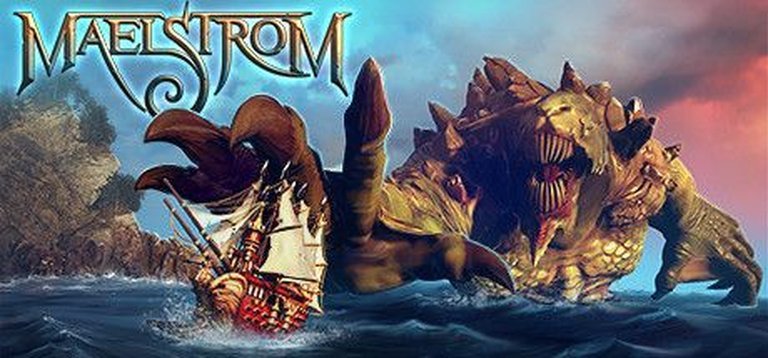
Maelstrom is a 3D action-simulation game set in a fantasy Caribbean pirate world, where players engage in naval combat and exploration. Developed by Gunpowder Games, LLC, and released in 2018, the game features real-time gameplay with a free camera perspective, allowing players to command ships in a dynamic, pirate-themed environment. Built using Unreal Engine 4, Maelstrom offers both single-player and multiplayer modes, blending action and simulation elements in a visually immersive setting.
Gameplay Videos
Where to Buy Maelstrom
PC
Maelstrom Patches & Updates
Maelstrom Guides & Walkthroughs
Maelstrom Reviews & Reception
metacritic.com (70/100): Malestrom is a battle royale characterized by frenetic rhythms and good tactical depth. Given the youth it is a bit poor in content and has some bugs, but overall it is a good F2P.
store.steampowered.com : Maelstrom is a unique and original twist on the classic Battle Royale formula with naval combat, out-of-match progression, and sea monsters!
ign.com : Maelstrom is a unique and original twist on the classic Battle Royale formula with naval combat, out-of-match progression, and sea monsters!
gamegrin.com (60/100): A solid game at its core but lacks the content remain engaging in the long term.
opencritic.com (60/100): A solid game at its core but lacks the content remain engaging in the long term.
Maelstrom Cheats & Codes
PC
Press [ESC] while playing, type any of the following codes, and then press [ESC] again.
| Code | Effect |
|---|---|
| conquerearth | Unlock all campaigns/levels |
| l | Level select, adjust lives, and enable Turbofunk game speed |
| feedme | +1000 Resources |
| ihavethepower | Set heroes levels to 6 |
| iwinagain | Win mission |
Macintosh
Press the following keys at the main screen.
| Code | Effect |
|---|---|
| L | Select level, adjust lives, and enable Turbofunk option |
| X | View hidden song lyrics |
Maelstrom: A Storm of Innovation in Naval Combat
Introduction
In the vast ocean of battle royale games, Maelstrom (2018) emerges as a bold and refreshing gust of wind, blending the high-stakes tension of last-man-standing gameplay with the thunderous spectacle of naval warfare. Developed by Gunpowder Games—a studio composed of veterans from Warhammer: Dawn of War, Company of Heroes, and Overwatch—Maelstrom dares to redefine the battle royale formula by replacing parachutes and assault rifles with cannons, broadsides, and sea monsters. Set in a grim fantasy world where orcs, dwarves, and humans clash atop meticulously crafted warships, the game offers a unique twist on a saturated genre.
Yet, Maelstrom is more than just a nautical reskin of Fortnite or PUBG. It is a love letter to naval combat enthusiasts, a strategic duel of wits and firepower, and a testament to the potential of free-to-play (F2P) games when designed with player respect in mind. With its physics-driven cannonballs, positional armor mechanics, and dynamic sea monster threats, Maelstrom carves its own niche in the gaming landscape. However, its journey has not been without turbulence—struggling with content depth, player retention, and the ever-present challenge of standing out in a crowded market.
This review will dive deep into Maelstrom‘s development, mechanics, narrative, and legacy, exploring how it succeeds, where it falters, and why it remains a fascinating case study in game design innovation.
Development History & Context
The Studio Behind the Storm
Gunpowder Games, the studio behind Maelstrom, is a collective of industry veterans with pedigrees from some of the most influential strategy and action games of the past two decades. The team includes developers who worked on Warhammer: Dawn of War, Company of Heroes, League of Legends, and Overwatch—titles renowned for their strategic depth, polished gameplay, and competitive multiplayer scenes. This experience is evident in Maelstrom‘s design, which prioritizes tactical decision-making, balanced combat, and a strong emphasis on player skill.
The game was first announced via a successful Kickstarter campaign, which helped secure funding and gauge community interest. Gunpowder Games’ vision was clear from the outset: create a battle royale game where naval combat wasn’t just a gimmick but the core of the experience. Unlike other battle royale titles that rely on twitch shooting or building mechanics, Maelstrom would demand mastery of ship maneuvering, ammunition types, and environmental hazards.
Technological Foundations
Maelstrom is built on Unreal Engine 4, a choice that allowed the developers to leverage the engine’s robust physics system and visual fidelity. The game’s water mechanics, in particular, benefit from UE4’s capabilities, with waves, currents, and ship collisions feeling weighty and dynamic. The decision to use UE4 also facilitated the game’s Steam Early Access launch in April 2018, followed by a full release in September 2019.
One of the most notable aspects of Maelstrom‘s development is its commitment to a fair free-to-play model. In an era where F2P games are often criticized for pay-to-win mechanics and predatory monetization, Maelstrom stands out by ensuring that:
– All gameplay and progression can be unlocked for free.
– No competitive advantages are sold—players cannot buy their way to victory.
– Premium currency (Gunpowder) is optional and primarily used for cosmetics, battle passes, and progression boosts.
This philosophy earned Maelstrom praise from critics and players alike, positioning it as a rare example of a F2P game that respects its audience.
The Gaming Landscape in 2018
Maelstrom entered the scene during the peak of the battle royale craze. PlayerUnknown’s Battlegrounds (PUBG) had popularized the genre in 2017, and Fortnite had exploded into a cultural phenomenon by 2018. The market was flooded with battle royale clones, each attempting to differentiate itself with unique twists—Apex Legends with its hero abilities, Call of Duty: Warzone with its military realism, and Ring of Elysium with its survival elements.
Against this backdrop, Maelstrom’s naval combat focus was a gamble. Naval games have historically struggled to gain mainstream traction, often relegated to niche audiences. Titles like Assassin’s Creed IV: Black Flag and Sea of Thieves proved that pirate-themed games could succeed, but they relied heavily on on-land content or cooperative gameplay. Maelstrom, by contrast, was purely ship-based, a design choice that risked alienating players accustomed to more varied gameplay loops.
Despite these challenges, Maelstrom’s Early Access launch in April 2018 generated buzz, with IGN describing it as “Fortnite with boats, and it’s pretty weird”—a sentiment that captured both its novelty and its potential.
Narrative & Thematic Deep Dive
A World of Grim Fantasy and Naval Warfare
Maelstrom is set in the Abyssal Ocean, a treacherous and monster-infested body of water where three factions—Humans, Orcs, and Dwarves—vie for dominance. The game’s lore is delivered through ship descriptions, captain backstories, and environmental storytelling rather than a traditional campaign. This approach allows the world to feel alive without requiring players to engage with lengthy cutscenes or dialogue.
- Humans (Phoenix Empire): The fastest and most technologically advanced faction, human ships excel in speed and broadside firepower. Their designs are sleek and modern, reflecting their empire’s maritime prowess.
- Orcs: Brutal and agile, orc ships are shark-driven and optimized for ramming and boarding actions. Their forward-facing cannons make them deadly in pursuit, and their crews are feared for their ferocity in melee combat.
- Dwarves: The tankiest of the three, dwarven ships are steel-armored steamships capable of withstanding immense punishment. Their omnidirectional cannons and ability to sail in reverse make them versatile but less nimble.
The game’s grim fantasy aesthetic is reinforced by its sea monsters, which lurk beneath the waves and grow increasingly aggressive as matches progress. These creatures—such as the Murkwater Thrasher—serve as both environmental hazards and dynamic threats, forcing players to adapt their strategies or risk becoming monster chow.
Themes of Greed, Cunning, and Survival
At its core, Maelstrom is a game about ruthlessness and survival. The battle royale format inherently encourages cutthroat gameplay, but Maelstrom amplifies this through its mechanics:
– Plunder and Bounty: Players are incentivized to sink rival ships not just to eliminate competition but to steal their gold and loot.
– Dead Waters: As the match progresses, safe zones shrink, and monsters encroach, creating a sense of urgency and desperation.
– Ship Customization: Between matches, players can upgrade their vessels, hire new crew members, and unlock powerful captains, reinforcing the theme of progression through cunning and skill.
The game’s narrative, while minimal, is effective in establishing its tone. Ships like the Ashborne, a human frigate with spell-infused incendiary ammunition, hint at a world where magic and technology coexist. The absence of a traditional story allows players to focus on the immediate, visceral experience of naval combat, but it also leaves the world feeling somewhat underdeveloped.
Missed Opportunities in Storytelling
While Maelstrom’s lore is intriguing, it is largely background noise—a missed opportunity to deepen player engagement. A PvE mode or cooperative raids against sea monsters could have provided a narrative-driven experience, giving players a reason to care about the Abyssal Ocean beyond its battle royale mechanics. The developers have hinted at such content in the future, but as of 2024, Maelstrom remains primarily a multiplayer-focused title.
Gameplay Mechanics & Systems
Core Gameplay Loop: A Battle Royale at Sea
Maelstrom’s gameplay revolves around last-ship-standing matches set in large, open ocean arenas. Players choose a faction and ship, then drop into a map filled with floating treasure chests, enemy vessels, and environmental hazards. The goal is simple: survive by any means necessary.
Matches follow a familiar battle royale structure:
1. Looting Phase: Players scavenge for gold, ammunition, and power-ups while avoiding early conflicts.
2. Mid-Game Skirmishes: As the safe zone shrinks, ships engage in broadsides, ramming, and boarding actions.
3. Endgame: The final ships battle it out in a high-stakes duel, with sea monsters adding chaos to the fray.
What sets Maelstrom apart is its depth of naval combat mechanics, which elevate it beyond a simple reskin of other battle royale games.
Bombastic Broadsides: The Art of Cannon Fire
Combat in Maelstrom is physics-driven and tactical. Unlike traditional shooters where bullets travel instantly, cannonballs in Maelstrom follow parabolic trajectories, requiring players to lead their shots and account for wind, ship movement, and wave height. This creates a high skill ceiling, where mastering cannon fire is as much about prediction as it is about aim.
- Ammunition Types:
- Iron Shot: Standard ammunition that damages armor and hulls.
- Chain Shot: Cripples enemy sails, reducing speed and maneuverability.
- Grapeshot: Slaughters enemy crew, making ships easier to board.
The ability to switch ammunition mid-combat adds a layer of strategy, forcing players to adapt to different situations. A well-placed chain shot can leave an enemy vessel dead in the water, while grapeshot can soften up a crew before a boarding action.
Warships Win with Wits: Maneuvering and Boarding
Maelstrom’s combat is not just about firing cannons—it’s about ship positioning, ramming, and boarding.
- Ramming: Ships can collide with enemies at high speeds, dealing massive damage based on velocity. A well-timed ram can sink an opponent instantly or leave them vulnerable to a follow-up broadside.
- Boarding: Players can grapple enemy ships and engage in crew-to-crew combat. If one crew eliminates the other, they can set the enemy ship ablaze, sending it to the depths. Boarding actions are time-limited, as grapples eventually break, adding tension to these close-quarters battles.
These mechanics ensure that no two engagements play out the same way. A slower, heavily armored dwarven ship might opt for ramming, while a nimble orc vessel could use hit-and-run tactics to whittle down an enemy’s crew.
Armor and Positional Damage: A Tactical Layer
One of Maelstrom’s most innovative features is its armor system. Each ship has four armored sections (front, back, left, right), which must be destroyed before the hull can take damage. This encourages positional play, as players must maneuver to expose an enemy’s weak sides while protecting their own.
- Maneuvering Matters: Keeping your ship’s armor between you and the enemy is crucial for survival.
- Exploiting Weaknesses: Targeting an enemy’s damaged side can lead to quick, decisive victories.
This system adds a chess-like depth to combat, rewarding players who think strategically about their positioning.
Sea Monsters: The Ultimate Wild Card
No discussion of Maelstrom’s gameplay would be complete without mentioning its sea monsters. These colossal creatures lurk in the depths, growing more aggressive as the match progresses. They serve multiple purposes:
– Environmental Threat: Monsters can devour ships whole, forcing players to stay on the move.
– Dynamic Gameplay: Their presence ensures that no match feels the same, as players must constantly adapt to their movements.
– Late-Game Pressure: As the safe zone shrinks, monsters encroach on the remaining ships, creating frantic, high-stakes finales.
The Murkwater Thrasher, for example, is a massive beast that can emerge without warning, turning the tide of a battle in seconds. These creatures are not just obstacles—they are integral to the game’s identity, reinforcing its grim fantasy tone.
Progression and Customization
Between matches, players can upgrade their ships using gold earned in battle. Upgrades include:
– New Cannons: Increased firepower or specialized ammunition.
– Armor Reinforcements: Enhanced durability.
– Crew Members: Passive bonuses like faster reloading or improved ramming damage.
– Captains: Unique abilities that can turn the tide of battle.
The progression system is generous, allowing players to unlock content at a steady pace without feeling forced to spend money. The Battle Pass offers additional cosmetics and rewards, but it is entirely optional.
World-Building, Art & Sound
A Vibrant, Monster-Saturated World
Maelstrom’s art direction is a grim yet vibrant fantasy, blending the aesthetic of Warhammer with the swashbuckling charm of Pirates of the Caribbean. The Abyssal Ocean is a living, breathing world, filled with:
– Floating Treasure Chests: Scattered across the map, encouraging exploration.
– Whirlpools and Currents: Environmental hazards that can be used to gain speed or trap enemies.
– Fog Banks: Provide cover for ambushes or escapes.
The game’s visual design is striking, with each faction’s ships boasting unique silhouettes and details. Human vessels are sleek and modern, orc ships are jagged and brutal, and dwarven steamships are hulking fortresses of steel.
Sound Design: The Roar of the Ocean
Maelstrom’s audio design is immersive, with:
– Cannon Fire: The thunderous boom of broadsides, complete with echoing reverberations.
– Sea Monsters: Deep, guttural roars that send shivers down the spine.
– Ambient Ocean Sounds: Waves crashing, wood creaking, and the distant cries of gulls.
The music is appropriately epic, swelling during intense battles and fading into eerie silence when monsters lurk nearby. The sound design plays a crucial role in building tension, making every encounter feel weighty and consequential.
Reception & Legacy
Critical Reception: A Mixed but Promising Storm
Maelstrom’s reception has been largely positive but tempered by concerns about longevity. Critics praised its innovative gameplay, fair monetization, and unique setting, but noted its lack of content and occasional bugs.
- IGN (James Duggan): “A unique and original twist on the classic Battle Royale formula with naval combat, out-of-match progression, and sea monsters!”
- Rock Paper Shotgun (Fraser Brown): “It’s a fun and fast-paced game… The ships are fast, the cannons are powerful, and there’s no risk of being sniped by some invisible bastard.”
- PC Gamer (Christopher Livingston): “A fun and fast-paced game as you swivel around to unleash broadside attacks… and race to collect the floating goodies.”
- GameGrin (Adam Kerr): “A solid game at its core but lacks the content to remain engaging in the long term.”
On Metacritic, Maelstrom holds a metascore of 70, reflecting its status as a flawed but promising title. Player reviews on Steam are Very Positive (82%), with many praising its strategic depth and fair F2P model.
Commercial Performance and Player Base
Maelstrom’s player base has fluctuated since launch, with peaks during major updates and events. The game’s Early Access period helped build a dedicated community, but it has struggled to retain players in the long term. The lack of PvE content and limited map variety have been cited as reasons for player attrition.
Despite these challenges, Maelstrom has maintained a niche but passionate fanbase, thanks in part to its transparent development and regular updates.
Influence and Legacy
Maelstrom’s greatest legacy may be its proof that battle royale games can innovate beyond the standard formula. By focusing on naval combat, physics-based mechanics, and fair monetization, it has shown that the genre still has room for creativity.
Its influence can be seen in later titles like Skull and Bones (2024), which also emphasizes ship-to-ship combat and naval strategy. While Maelstrom may not have achieved mainstream success, it has earned its place as a cult classic among naval combat enthusiasts.
Conclusion: A Storm Worth Weathering
Maelstrom is a bold, ambitious, and flawed game that dares to chart its own course in the battle royale genre. Its deep naval combat mechanics, strategic depth, and fair free-to-play model set it apart from the crowd, offering a refreshing and engaging experience for those willing to learn its intricacies.
However, its lack of narrative depth, limited content, and occasional bugs prevent it from reaching the heights of its competitors. Maelstrom is a game that shines brightest in short bursts, delivering thrilling, high-stakes naval battles that few other games can match. Yet, it struggles to keep players engaged in the long term, a problem that could be mitigated with additional PvE content or cooperative modes.
Final Verdict: 7.5/10 – A Unique and Promising Voyage, But One That Needs More Wind in Its Sails
Maelstrom is not for everyone, but for those who crave strategic naval combat, physics-driven gameplay, and a battle royale experience unlike any other, it is well worth setting sail. With continued support and content updates, it has the potential to become a staple of the genre—but for now, it remains a hidden gem in the vast ocean of battle royale games.
Sink or swim, Maelstrom is a storm you won’t soon forget.