
- Release Year: 2009
- Platforms: Windows
- Publisher: Selectsoft Publishing
- Developer: Selectsoft Games
- Genre: Jigsaw puzzle, Puzzle
- Perspective: Top-down
- Game Mode: Single-player
- Gameplay: Cards, Tiles
- Average Score: 67/100
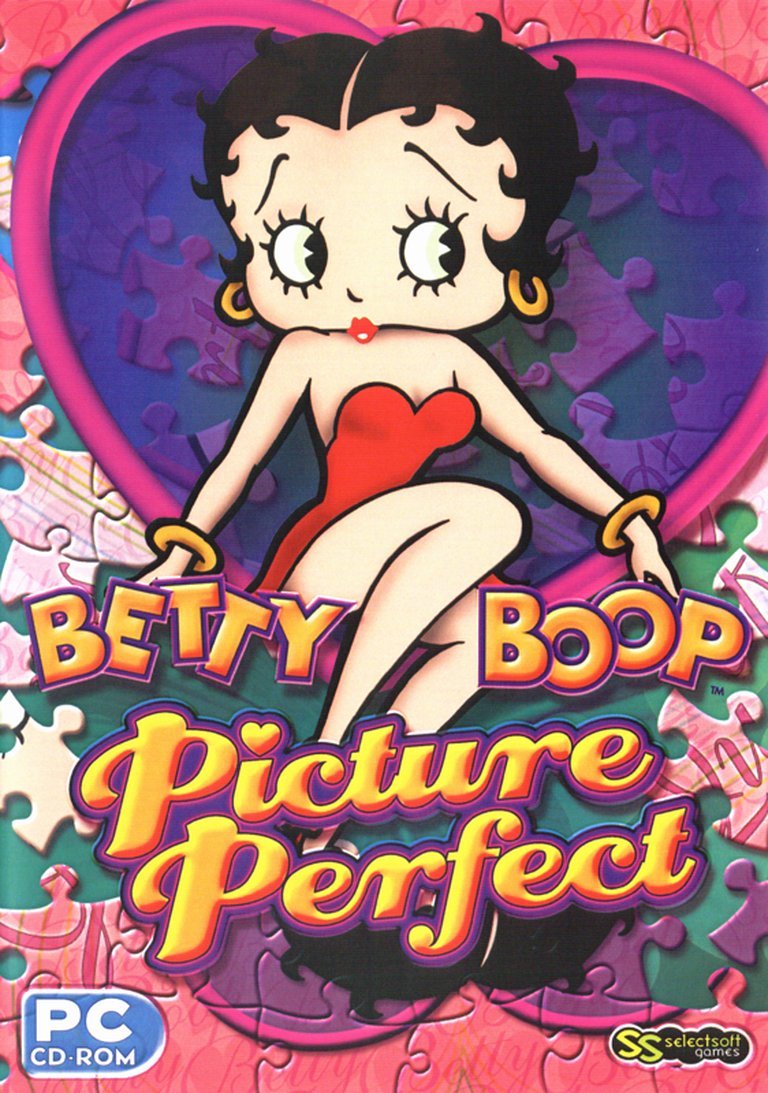
Description
Betty Boop: Picture Perfect is a jigsaw puzzle game released in 2009 for Windows, featuring over 100 Betty Boop-themed images with the option to import more. Players can customize puzzles with 4 to over 5,000 pieces, adjust piece shapes and appearances, and use trays for organization. The game offers zoom functionality, save/load options, and background music, providing a relaxed yet engaging puzzle-solving experience.
Betty Boop: Picture Perfect Reviews & Reception
vgtimes.com (55/100): A top-down strategy game with a dash of puzzle fun.
myabandonware.com (80/100): This puzzle game is now abandonware and is set in a cards, licensed title and jigsaw puzzle themes.
Betty Boop: Picture Perfect – A Nostalgic Puzzle Experience
Introduction: The Allure of a Classic Icon in Digital Form
Few animated characters have left as indelible a mark on pop culture as Betty Boop. With her signature “boop-oop-a-doop,” flirtatious charm, and Jazz Age aesthetic, she became an enduring symbol of the 1930s. Betty Boop: Picture Perfect (2009) is a digital homage to this iconic figure, blending the timeless appeal of jigsaw puzzles with the nostalgic allure of Betty’s world. Developed by Selectsoft Games and published by Selectsoft Publishing, this title is a curious artifact—a licensed puzzle game that leverages Betty’s visual legacy while offering a surprisingly robust set of features for its genre.
At first glance, Picture Perfect might seem like a simple cash-in on a beloved license, but beneath its unassuming surface lies a meticulously crafted puzzle experience. It is a game that understands its audience: casual players seeking relaxation, nostalgia enthusiasts, and puzzle aficionados who crave customization. Yet, its lack of critical or commercial fanfare raises questions about its place in gaming history. Was it a forgotten gem, or merely a competent but unremarkable entry in the oversaturated puzzle market of the late 2000s?
This review will dissect Betty Boop: Picture Perfect in exhaustive detail, exploring its development, mechanics, aesthetic choices, and legacy. By the end, we will determine whether it deserves rediscovery—or if it remains a charming but ultimately minor footnote in the annals of licensed games.
Development History & Context: The Rise of Casual Puzzles and Licensed Titles
The Studio Behind the Game: Selectsoft’s Niche in Casual Gaming
Selectsoft Publishing and its development arm, Selectsoft Games, were not powerhouse studios in the traditional sense. Instead, they carved out a niche in the late 2000s and early 2010s by producing budget-friendly, family-oriented, and licensed titles for the burgeoning casual gaming market. Their portfolio included a mix of puzzle games, educational software, and adaptations of popular franchises, such as Betty Boop, Hello Kitty, and Barbie.
The late 2000s were a golden era for casual and puzzle games, thanks to the rise of digital distribution platforms like Big Fish Games, Steam’s expanding indie library, and the popularity of browser-based Flash games. Titles like Bejeweled, Peggle, and Zuma dominated the landscape, proving that simple, addictive gameplay could attract massive audiences. Picture Perfect arrived in 2009, a time when jigsaw puzzles were transitioning from physical board games to digital experiences, offering convenience and customization.
Technological Constraints and Design Philosophy
Picture Perfect was built for Windows PCs, a platform that, by 2009, was dominated by more graphically intensive games. However, Selectsoft’s approach was deliberately low-tech, focusing on accessibility rather than cutting-edge visuals. The game’s engine was lightweight, allowing it to run on modest hardware—a necessity for the casual audience, which often played on older machines or laptops.
Key technological features included:
– Scalable Puzzle Sizes: From a mere 4 pieces to over 5,000, catering to both children and hardcore puzzle enthusiasts.
– Customizable Piece Shapes: Players could adjust the “oddness” of puzzle pieces, altering their traditional jigsaw shapes for added challenge.
– Zoom and Pan Functionality: A necessity for large puzzles, allowing players to navigate the workspace with ease.
– Importable Images: A forward-thinking feature that let players use their own photos, extending the game’s replayability.
The decision to include over 100 Betty Boop-themed images was a shrewd licensing move, capitalizing on the character’s retro appeal while providing ample content. The ability to import custom images, however, hinted at a deeper understanding of the puzzle genre’s potential—players weren’t just buying a Betty Boop game; they were buying a versatile puzzle tool.
The Gaming Landscape in 2009: A Crowded Puzzle Market
By 2009, the puzzle genre was saturated with both indie darlings and corporate cash-ins. Games like Professor Layton and the Curious Village (2007) and Puzzle Quest: Challenge of the Warlords (2007) had elevated the genre with narrative depth and RPG mechanics, while digital jigsaw puzzles like Jigsaw Explorer and Microsoft’s Jigsaw offered free alternatives.
Picture Perfect entered this fray as a licensed product, which inherently limited its appeal. Licensed games often struggle to balance fidelity to the source material with innovative gameplay, and Picture Perfect was no exception. It relied heavily on Betty Boop’s nostalgia factor rather than groundbreaking mechanics. Yet, its customization options and sheer volume of content set it apart from more barebones competitors.
Narrative & Thematic Deep Dive: The Absence of Story in a Story-Driven License
The Paradox of a Narrative-Free Betty Boop Game
One of the most striking aspects of Picture Perfect is its complete lack of narrative. Betty Boop, a character steeped in storytelling—whether through her original Fleischer Studios cartoons or later comic strips—is reduced to a visual motif. There are no cutscenes, no dialogue, and no plot. The game is, at its core, a jigsaw puzzle simulator with Betty Boop imagery.
This absence of narrative is both a strength and a weakness:
– Strength: It allows the game to focus entirely on its puzzle mechanics, avoiding the pitfalls of forced storytelling that plague many licensed titles.
– Weakness: It squanders the potential of the Betty Boop license. Given her rich history—her rise from a canine sidekick to a humanized sex symbol, her legal battles with Helen Kane, and her enduring cultural relevance—a narrative-driven puzzle adventure could have been a fascinating experiment.
Thematic Resonance: Nostalgia as a Selling Point
While Picture Perfect lacks a traditional narrative, it is deeply thematic in its visual presentation. The included images are a love letter to Betty’s heyday, featuring:
– Classic Cartoon Stills: Black-and-white and colorized frames from Fleischer Studios shorts.
– Pin-Up Style Art: Betty in her iconic poses, often with exaggerated femininity that harkens back to her pre-Code era appeal.
– Retro Aesthetics: The game’s UI and background music evoke the 1930s, reinforcing the nostalgic experience.
The thematic coherence is undeniable. For fans of Betty Boop, Picture Perfect is a digital scrapbook, a way to interact with her legacy in a tactile manner. The ability to import custom images further personalizes this experience, allowing players to blend their own memories with Betty’s world.
Missed Opportunities: What Could Have Been
Given Betty Boop’s history, Picture Perfect could have incorporated light narrative elements without sacrificing its puzzle focus. For example:
– Unlockable Lore: Completing puzzles could unlock trivia about Betty’s cartoons, her cultural impact, or the Fleischer Studios era.
– Mini-Games: Simple interactive segments—such as restoring damaged film reels or piecing together comic strips—could have added variety.
– Character Cameos: Including Bimbo, Pudgy, or Grampy as puzzle themes or even as minor interactive elements would have deepened the connection to the source material.
As it stands, Picture Perfect is a visually rich but narratively hollow experience. It banks entirely on the player’s pre-existing affection for Betty Boop, offering little to those unfamiliar with her legacy.
Gameplay Mechanics & Systems: Deconstructing the Puzzle Experience
Core Gameplay Loop: The Art of Digital Jigsaw Assembly
At its heart, Picture Perfect is a digital jigsaw puzzle game, and its mechanics reflect a deep understanding of the genre’s appeal. The core loop is straightforward:
1. Select an Image: Choose from over 100 Betty Boop-themed pictures or import a custom image.
2. Choose Difficulty: Adjust the number of pieces (from 4 to 5,000+), piece shape complexity, and whether pieces rotate.
3. Assemble the Puzzle: Drag and drop pieces onto the board, using trays to organize them.
4. Save and Resume: Puzzles can be saved mid-progress, a crucial feature for larger assemblies.
The game’s greatest strength is its customization. Players can tailor the experience to their skill level and preferences:
– Piece “Oddness”: A slider that distorts the traditional jigsaw shape, making pieces more abstract and challenging.
– Tray System: Allows players to sort pieces by color, edge, or shape, streamlining the assembly process.
– Zoom and Pan: Essential for large puzzles, this feature lets players focus on specific sections without losing track of the whole.
Innovations and Flaws in the Puzzle Design
Picture Perfect introduces several quality-of-life features that elevate it above basic digital jigsaws:
– Background Music: A jazzy, upbeat soundtrack that enhances the retro atmosphere.
– Piece Preview: Hovering over a piece briefly shows its correct position, a helpful hint for beginners.
– Auto-Save: Prevents progress loss, a godsend for casual players who might not finish a puzzle in one sitting.
However, the game is not without its flaws:
– Lack of Multiplayer: In an era where Puzzle Quest had proven the appeal of competitive puzzles, Picture Perfect remains a solitary experience.
– Repetitive Gameplay: Without narrative or mini-games, the experience can grow monotonous, especially for players who prefer variety.
– Limited Interactivity: Beyond assembling puzzles, there is little else to do. No bonuses, no unlockables, no hidden secrets—just puzzles.
UI and Accessibility: A Mixed Bag
The user interface is functional but unremarkable. The top-down perspective is standard for digital jigsaws, but the menu system feels dated even by 2009 standards. Navigation is intuitive, but the lack of modern amenities—such as touchscreen support (which would have been ideal for a puzzle game)—is noticeable.
One standout feature is the piece tray system, which allows players to categorize pieces. This is a godsend for large puzzles, as it prevents the overwhelming clutter that plagues many digital jigsaw games. However, the inability to rotate the entire puzzle board (a feature seen in later puzzle games) is a missed opportunity.
World-Building, Art & Sound: Crafting a Retro Atmosphere
Visual Design: A Love Letter to Betty’s Aesthetic
Picture Perfect’s art direction is its strongest suit. The game is a visual celebration of Betty Boop, featuring:
– High-Quality Scans: The included images are crisp and vibrant, showcasing Betty in various poses, outfits, and settings.
– Authentic Retro Styling: The UI mimics the art deco influences of the 1930s, with curved fonts and gold accents.
– Customizable Themes: Players can switch between different background textures, further personalizing the experience.
The decision to include both black-and-white and colorized images is a nod to Betty’s evolution from her early Fleischer cartoons to her later, more polished iterations. The attention to detail in the image selection—featuring everything from classic cartoon stills to pin-up art—demonstrates a deep respect for the source material.
Sound Design: Jazz, Silence, and Atmosphere
The audio experience in Picture Perfect is minimal but effective. The game features:
– Jazzy Background Music: A looped soundtrack that evokes the speakeasies and dance halls of the 1930s. The music is upbeat and cheerful, perfectly complementing the puzzle-solving experience.
– Subtle Sound Effects: The click of pieces locking into place and the shuffle of pieces being moved are satisfying without being intrusive.
However, the lack of voice acting or ambient sounds is a missed opportunity. Given Betty Boop’s musical roots—her cartoons often featured songs by Cab Calloway, Louis Armstrong, and others—incorporating period-appropriate music or even snippets of dialogue from the original shorts would have deepened the immersion.
Atmosphere: Relaxation Over Excitement
Picture Perfect is not a game of high stakes or adrenaline. Instead, it cultivates a calm, meditative atmosphere, ideal for unwinding. The combination of retro visuals, soothing jazz, and the tactile satisfaction of puzzle assembly creates a uniquely relaxing experience.
This atmosphere is both the game’s greatest strength and its most limiting factor. For players seeking stress relief or a nostalgic trip, it excels. For those craving challenge or narrative depth, it falls short.
Reception & Legacy: The Forgotten Puzzle Game
Critical and Commercial Reception: A Quiet Release
Betty Boop: Picture Perfect launched in 2009 to little fanfare. It received no major reviews from gaming outlets, and its Metacritic page remains barren, with no critic or user scores. This lack of attention is not surprising—licensed puzzle games rarely garner critical acclaim unless they innovate significantly (e.g., Puzzle Quest).
The game’s commercial performance is equally obscure. It was likely a modest seller, appealing primarily to:
– Betty Boop Enthusiasts: Fans of the character who wanted a digital way to engage with her imagery.
– Casual Puzzle Gamers: Players who enjoyed jigsaw puzzles but wanted more customization than free alternatives offered.
– Nostalgia Seekers: Those drawn to the retro aesthetic and the ability to import personal photos.
Legacy: A Cult Classic or a Forgotten Relic?
In the years since its release, Picture Perfect has faded into obscurity. It is not remembered as a groundbreaking puzzle game, nor has it spawned sequels or spiritual successors. However, it has found a small but dedicated following among:
– Abandonware Enthusiasts: The game is available on sites like MyAbandonware, where it is occasionally downloaded by retro gaming fans.
– Betty Boop Collectors: For completists, it is a minor but interesting piece of Betty Boop merchandise.
– Puzzle Game Historians: As an example of early digital jigsaw customization, it holds some historical value.
Its greatest legacy may be its proof of concept. The ability to import custom images and adjust puzzle complexity was ahead of its time, influencing later puzzle games that prioritized player agency.
Influence on Later Games: The Rise of Customizable Puzzles
While Picture Perfect itself did not spawn imitators, its features became standard in later digital puzzle games. Titles like Jigsaw Explorer and Microsoft Jigsaw adopted similar customization options, proving that players valued flexibility in their puzzle experiences.
The game also demonstrated the viability of licensed puzzle games as digital collectibles. Later titles, such as Disney Jigsaw Puzzles and Hello Kitty Puzzle Time, followed a similar model, leveraging beloved IPs to attract casual players.
Conclusion: A Charming but Flawed Nostalgic Experience
Betty Boop: Picture Perfect is a game of contradictions. It is a meticulously crafted puzzle experience with deep customization and a lovingly curated visual style, yet it lacks the narrative depth or innovative gameplay to stand out in a crowded genre. It is a nostalgic celebration of a cultural icon, yet it fails to capitalize on Betty Boop’s rich history in meaningful ways. It is relaxing and meditative, yet it risks monotony for players seeking variety.
Final Verdict: 6.5/10 – A Competent but Unremarkable Puzzle Game
Picture Perfect is not a bad game—far from it. For its target audience (casual puzzle fans and Betty Boop enthusiasts), it delivers a polished, enjoyable experience. However, its lack of ambition prevents it from being anything more than a minor curiosity in gaming history.
Pros:
✅ Deep customization (piece count, shapes, trays, zoom).
✅ High-quality Betty Boop imagery with a strong retro aesthetic.
✅ Relaxing atmosphere perfect for unwinding.
✅ Importable images extend replayability.
Cons:
❌ No narrative or mini-games to break up the monotony.
❌ Dated UI with limited modern amenities.
❌ No multiplayer or competitive modes.
❌ Lack of critical or commercial impact, making it a forgotten title.
Who Should Play It?
- Betty Boop fans who want a digital way to engage with her legacy.
- Casual puzzle enthusiasts who enjoy jigsaws with customization options.
- Nostalgia seekers who appreciate retro aesthetics and relaxing gameplay.
Who Should Skip It?
- Players seeking narrative depth or innovative puzzle mechanics.
- Those who prefer competitive or multiplayer puzzle experiences.
- Gamers looking for a challenging or high-stakes experience.
Final Thoughts: A Game Worth Preserving, if Not Celebrating
Betty Boop: Picture Perfect is not a masterpiece, but it is a well-made, heartfelt tribute to a cultural icon. In an era where licensed games are often rushed or cynical, it stands out for its genuine affection for its source material. While it may not deserve a place in the pantheon of great puzzle games, it is a charming relic—one that offers a glimpse into the early days of digital jigsaws and the enduring appeal of Betty Boop.
For historians, it is a curiosity. For fans, it is a delight. For everyone else, it is a pleasant but forgettable diversion. And in the grand tapestry of video game history, that is not such a bad legacy to have.