
- Release Year: 2024
- Platforms: Nintendo Switch, PlayStation 4, Windows, Xbox One, Xbox Series
- Publisher: EpiXR Games UG
- Developer: EpiXR Games UG
- Genre: Action
- Perspective: Behind view
- Game Mode: Single-player
- Gameplay: Aviation, Flight
- Setting: Fantasy
- Average Score: 60/100
Description
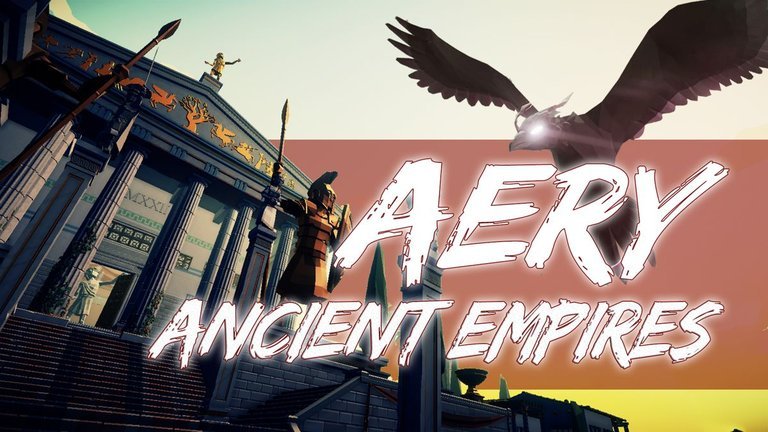
In ‘Aery: Ancient Empires’, you play as a small bird-like spirit exploring vast, beautifully crafted environments as ancient civilizations evolve around you. The game offers a meditative, zen-like experience where you freely fly through diverse worlds, collecting memory shards to unlock new areas and uncover the story. Each level introduces a unique setting, color theme, and narrative, allowing you to witness humanity’s progression across different empires. With no enemies or threats, the focus is purely on the joy of flight and discovery in a serene, fantasy-inspired world.
Gameplay Videos
Where to Buy Aery: Ancient Empires
Aery: Ancient Empires Guides & Walkthroughs
Aery: Ancient Empires Reviews & Reception
metacritic.com (60/100): No matter whether you have played an Aery game before or not, you’ll find some enjoyment in Aery – Ancient Empires. Extremely similar to everything previous, you’ll still discover a very calming experience, and the chance to bag an easy 1000 Gamerscore.
thexboxhub.com (60/100): Aery – Ancient Empires comes with a much better colour palette than previous, complete with some nice skies and levels. But it does have a lot of pop-in and in one sea level I couldn’t stop falling through the world.
Aery: Ancient Empires – A Meditative Flight Through Time
Introduction: The Zen of Exploration
Aery: Ancient Empires is the latest entry in EpiXR Games’ long-running Aery series, a franchise that has carved out a niche in the “relaxing flight simulator” subgenre. Released in August 2024 across multiple platforms, this installment continues the tradition of casting players as a bird-like spirit soaring through fantastical environments, collecting memory shards to progress through a loosely structured narrative. But does Ancient Empires offer enough innovation to stand out in a series known for its iterative design, or is it merely another feather in an already crowded nest?
This review will dissect the game’s development context, narrative ambitions, gameplay mechanics, artistic direction, and reception to determine whether Aery: Ancient Empires is a soaring success or a grounded misstep.
Development History & Context: The Aery Franchise Takes Flight
The Studio Behind the Wings
EpiXR Games UG, a German indie developer, has been prolific in the Aery series, releasing nearly 20 titles since 2019. The studio’s modus operandi is clear: create accessible, meditative flight experiences with minimal risk, leveraging reusable assets and straightforward mechanics. Ancient Empires is no exception, built on the same engine and design philosophy as its predecessors.
The Vision: A Relaxing Historical Tour
The game’s premise is simple yet ambitious: players embody a bird-like spirit observing the rise of human civilizations, from underwater origins to medieval castles and beyond. Unlike traditional flight simulators, Aery eschews combat, pressure, or failure states, instead emphasizing exploration and tranquility. This aligns with the studio’s broader mission to craft “zen-like” gaming experiences—a stark contrast to the high-octane, adrenaline-fueled titles dominating the market.
Technological Constraints & Iterative Design
Given its modest budget and rapid development cycle, Ancient Empires relies heavily on asset reuse, a double-edged sword that ensures consistency but risks stagnation. The game’s engine, while capable of rendering vast, colorful environments, struggles with occasional pop-in and clipping issues, as noted in TheXboxHub’s review. These technical limitations are forgivable in a low-stakes experience but highlight the challenges of maintaining a prolific release schedule.
The Gaming Landscape in 2024
Aery: Ancient Empires arrives in a market saturated with both AAA blockbusters and indie darlings. Its niche appeal—relaxing, non-threatening, and visually soothing—positions it as a counterpoint to the stress of modern life. However, with competitors like The Artful Escape and Journey offering more polished, emotionally resonant experiences, Aery risks being overshadowed despite its charm.
Narrative & Thematic Deep Dive: A Whisper of History
Plot: A Bird’s-Eye View of Civilization
The game’s narrative is minimalist, serving as a loose framework for its exploration. Players begin underwater, symbolizing the origins of life, before transitioning through various historical epochs: tribal societies, Roman empires, medieval kingdoms, pirate havens, and modern cities. Each level is introduced with a brief voice-over, offering cryptic reflections on human progress.
Themes: The Passage of Time & Human Ambition
Aery: Ancient Empires is, at its core, a meditation on history and evolution. The bird-like protagonist acts as a silent observer, witnessing humanity’s rise without interference. This passive role reinforces themes of impermanence and the cyclical nature of civilizations. However, the narrative lacks depth—there are no characters to empathize with, no conflicts to resolve, and no moral dilemmas to ponder. The story is more atmospheric than substantive, relying on environmental storytelling to convey its ideas.
Dialogue & Voice-Over: A Missed Opportunity
The game’s voice-over work is sparse and functional, offering little emotional weight. While this aligns with the zen-like tone, it also means the narrative fails to leave a lasting impression. The absence of dialogue or character interaction further distances players from the world, making the experience feel more like a screensaver than a story.
Gameplay Mechanics & Systems: The Joy (and Repetition) of Flight
Core Gameplay Loop: Collect, Explore, Repeat
The gameplay in Aery: Ancient Empires is straightforward:
1. Fly freely through a linear environment.
2. Collect memory shards (glowing orbs) scattered across the map.
3. Unlock the next area upon collecting enough shards.
This loop is intentionally repetitive, designed to induce a meditative state rather than challenge the player. There are no enemies, no time limits, and no penalties for failure—only the occasional environmental hazard (e.g., falling through the world, as reported in TheXboxHub’s review).
Controls & Movement: A Mixed Bag
- Flight Mechanics: The bird moves continuously forward, with players controlling altitude and direction. A roll button exists but serves no functional purpose.
- Checkpoints: A welcome addition—crashing no longer resets progress to the start of the level.
- Camera & Perspective: The behind-view perspective is serviceable but occasionally obscures collectibles.
Progression & Replayability
Progression is linear, with each level introducing a new historical setting. However, the lack of meaningful unlocks or upgrades means replayability is minimal. The game’s appeal lies in its initial playthrough, where the novelty of each environment carries the experience.
UI & Accessibility
The UI is minimalist, with no HUD clutter. Memory shards appear one at a time, a slight improvement over earlier entries where all collectibles were visible from the start. However, the lack of a map or objective marker can lead to aimless wandering, especially in larger levels.
World-Building, Art & Sound: A Feast for the Senses
Setting & Atmosphere
Aery: Ancient Empires excels in its environmental design. Each level is a meticulously crafted diorama of a historical era, from underwater ruins to bustling medieval villages. The game’s fantasy setting allows for creative liberties, blending realism with whimsy.
Visual Direction: A Colorful Palette
The art style is vibrant and dreamlike, with each level boasting a distinct color theme. The underwater sections shimmer with bioluminescent hues, while the Roman levels bathe in golden sunlight. However, the reuse of assets from previous Aery games is noticeable, dampening the sense of discovery.
Sound Design & Music
The soundtrack is the game’s strongest suit—a soothing, ambient score that enhances the meditative experience. Sound effects are minimal but effective, with the flutter of wings and distant environmental noises adding to the immersion.
Reception & Legacy: A Niche Appeal
Critical Reception
As of this writing, Aery: Ancient Empires has received limited critical attention. TheXboxHub awarded it a 3/5, praising its relaxing gameplay and updated visuals but criticizing its asset reuse and technical hiccups. Metacritic lists no user reviews, and Steam’s community hub remains barren.
Commercial Performance
The game’s commercial success is hard to gauge, but its budget pricing ($9.99 on most platforms) suggests it’s aimed at casual players rather than hardcore gamers. The Aery series has cultivated a dedicated fanbase, but Ancient Empires does little to expand beyond it.
Influence & Legacy
The Aery series occupies a unique space in gaming—a low-pressure, visually driven experience. While Ancient Empires doesn’t innovate, it reinforces the franchise’s identity. Its influence is likely to remain confined to the “relaxing games” niche, inspiring similar titles but never achieving mainstream acclaim.
Conclusion: A Gentle Glide Through History
Aery: Ancient Empires is a game of modest ambitions and modest achievements. It delivers exactly what it promises: a serene, unchallenging flight through beautifully rendered historical landscapes. For fans of the series, it’s a familiar comfort; for newcomers, it’s a pleasant diversion.
However, its reliance on reused assets, lack of narrative depth, and occasional technical issues prevent it from reaching greater heights. In a gaming landscape increasingly dominated by high-stakes, high-pressure experiences, Aery: Ancient Empires offers a welcome respite—but one that feels more like a template than a triumph.
Final Verdict: 6.5/10 – A relaxing but repetitive journey, best enjoyed in short bursts.
For those seeking a stress-free escape, Aery: Ancient Empires is a worthy addition to the library. But if you’re looking for innovation or emotional resonance, you may find yourself yearning for more.