
- Release Year: 2019
- Platforms: Windows
- Publisher: Shademare LLC
- Developer: Shademare LLC
- Genre: Action
- Perspective: Side view
- Game Mode: Single-player
- Gameplay: Platform
- Setting: Contemporary, Fantasy
- Average Score: 93/100
Description
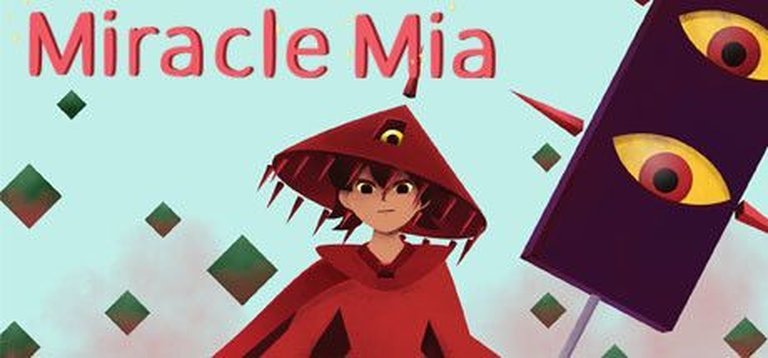
Miracle Mia is a 2D side-scrolling action-platformer where sisters Mia and Nia embark on a fantastical adventure after their train journey is interrupted by interdimensional monsters called the Geos. Armed with a magical tennis racket crafted by their eldest sister, Lia, the duo must deflect enemy attacks, uncover additional Miracle Rackets, and team up with their cousin Coco and her Maidens to rescue Lia from the clutches of The Void. Along the way, they are aided by a sentient cat and a mysterious Qube, while being pursued by a enigmatic Woman in Red. The game blends contemporary and fantasy settings, featuring dynamic combat, unique boss battles, and a mix of linear and exploratory gameplay across 24 chapters.
Where to Buy Miracle Mia
PC
Miracle Mia Guides & Walkthroughs
Miracle Mia Reviews & Reception
steambase.io (93/100): Miracle Mia has earned a Player Score of 93 / 100.
ageekgirlsguide.com : Overall, I’d say that the game has room for improvement.
store.steampowered.com (94/100): Positive (94% of 19)
Miracle Mia: A Hidden Gem in the Indie Platformer Landscape
Introduction: The Unlikely Heroine and Her Miracle Racket
In the vast, often oversaturated world of indie platformers, Miracle Mia (2019) emerges as a curious and underappreciated title—a game that defies easy categorization. Developed by the father-son duo at Shademare LLC, this 2D action-platformer blends anime-inspired aesthetics, a tennis-based combat system, and a surprisingly ambitious narrative about sisterhood, interdimensional threats, and the power of “Miracle Weapons.” While it may not have garnered the same attention as contemporaries like Celeste or Hollow Knight, Miracle Mia carves out its own niche with a unique premise, a heartfelt (if occasionally uneven) story, and a combat system that, while flawed, offers moments of genuine innovation.
This review aims to dissect Miracle Mia in exhaustive detail, exploring its development history, narrative depth, gameplay mechanics, artistic direction, and legacy. Is it a forgotten masterpiece, or a well-intentioned but flawed debut? Let’s dive in.
Development History & Context: A Family Affair
The Studio Behind the Miracle
Shademare LLC is a small, independent studio composed primarily of a father-son team: Donald W. Boose IV (director, writer, and producer) and his son, who handled much of the game’s design and programming. This familial collaboration lends Miracle Mia a personal touch, evident in its earnest storytelling and the game’s occasional rough edges. The studio’s mission, as stated on their Steam page, is to create “weird, interesting, and fun games,” and Miracle Mia is their first commercial release.
The game was developed using Clickteam Fusion 2.5, a user-friendly engine often associated with smaller indie projects. While this choice allowed for rapid prototyping and development, it also imposed technical limitations, particularly in terms of performance optimization and visual polish.
The Gaming Landscape in 2019
Miracle Mia launched on August 23, 2019, a year that saw the release of several high-profile indie darlings, including Disco Elysium, Outer Wilds, and Katana ZERO. The platformer genre, in particular, was (and remains) crowded, with games like Blasphemous, Bloodstained: Ritual of the Night, and Tunic dominating discussions. In this competitive environment, Miracle Mia struggled to stand out, despite its unique premise.
The game’s Steam Greenlight origins further highlight its indie roots. Greenlight, a now-defunct program that allowed community voting for game approval, was a common pathway for smaller developers to gain visibility. Miracle Mia’s successful Greenlight campaign speaks to its niche appeal, even if its post-release reception was muted.
Technological Constraints and Ambitions
Given its engine and the team’s size, Miracle Mia is a technical marvel in some respects. The game features:
– 24 chapters across 10 unique environments, each with distinct geometric designs.
– Full voice acting for major characters, a rarity in indie games of this scale.
– A dynamic combat system centered around deflecting projectiles with a tennis racket.
However, these ambitions occasionally outpace the game’s technical capabilities. Players have reported frame rate drops, camera issues, and bugs, particularly in later chapters. These flaws, while understandable for a debut title, underscore the challenges of indie development.
Narrative & Thematic Deep Dive: Sisters, Geos, and the Void
Plot Summary: A Train Ride Turned Cosmic Battle
Miracle Mia begins with a deceptively simple premise: sisters Mia and Nia are traveling by train to visit their cousin Coco when their journey is violently interrupted. A mysterious force—The Void—attacks, kidnapping their eldest sister, Lia, and thrusting Mia and Nia into a war against the Geos, interdimensional geometric monsters.
Armed with a “Miracle Racket” crafted by Lia, Mia must:
1. Rescue Lia from The Void.
2. Recover the other Miracle Rackets scattered across the world.
3. Unite with Coco and her Maidens (a group of warriors) to fight back.
4. Unravel the mystery of the Woman in Red, a shadowy figure pursuing the sisters.
The story unfolds across 24 chapters, each introducing new allies, enemies, and lore. While the premise is engaging, the execution is uneven.
Character Analysis: The Strengths and Weaknesses of the Cast
- Mia: The protagonist, a determined but initially inexperienced fighter. Her growth is tied to mastering the Miracle Racket and uncovering her family’s secrets.
- Nia: Mia’s younger sister, who serves as both comic relief and emotional support. Her role is somewhat underdeveloped, often relegated to cheering Mia on.
- Lia: The eldest sister, whose capture drives the plot. Her backstory—particularly her creation of the Miracle Rackets—hints at deeper lore, but she remains largely off-screen.
- Coco and the Maidens: A group of warriors who aid Mia. Their designs and personalities are heavily anime-inspired, though some critics note that many Maidens look eerily similar to Nia, a missed opportunity for visual diversity.
- The Woman in Red: A mysterious antagonist whose true motives are revealed late in the game. Her presence adds intrigue but suffers from underdevelopment.
Themes: Sisterhood, Sacrifice, and the Power of Legacy
At its core, Miracle Mia is a story about family and legacy. The sisters’ bond is the emotional anchor, and Lia’s absence looms large over every chapter. The game explores:
– Sacrifice: Lia’s capture and the sisters’ willingness to risk everything to save her.
– Growth: Mia’s journey from a reluctant hero to a confident warrior.
– Unity: The importance of allies (the Maidens, the sentient Qube, and even a cat companion) in overcoming adversity.
However, the game’s pacing and dialogue occasionally undermine these themes. Some players, like the reviewer at A Geek Girl’s Guide, found the story “linear” and the voice acting “flat,” with characters sometimes sounding too similar. The narrative’s strongest moments come in its later chapters, where twists and deeper lore emerge, but the slow build-up may test players’ patience.
Dialogue and Voice Acting: A Mixed Bag
The game’s full voice acting is a standout feature for an indie title, but it’s also a point of contention. Corinne Sudberg, the sole voice actress, handles all major characters, which leads to:
– Pros: A consistent tone and emotional delivery, particularly in key scenes.
– Cons: A lack of vocal diversity, making it hard to distinguish characters in some dialogues.
The script itself oscillates between charming (e.g., Nia’s playful banter) and clunky (e.g., exposition-heavy monologues). The game’s anime influences are evident in its dramatic flourishes, though not all land with the same impact.
Gameplay Mechanics & Systems: Tennis Meets Combat
Core Gameplay Loop: Deflect, Dash, and Dominate
Miracle Mia’s most defining feature is its tennis-based combat system. Players use the Miracle Racket to:
– Deflect projectiles (the primary mechanic).
– Stun enemies with charged energy balls.
– Dash through foes for melee attacks.
– Grapple and double-jump in later chapters.
The combat evolves as Mia gains new abilities, including:
– Mirror Mode: An AoE stun that weakens enemies.
– Grappling Hook: For traversal and repositioning.
– Health Shields: Earned by defeating optional mini-bosses.
Strengths of the Combat System
- Unique Premise: Few games center combat around a tennis racket, making Miracle Mia stand out.
- Boss Fights: Universally praised as the game’s highlight. Each boss has distinct patterns, requiring players to observe, adapt, and counter effectively.
- Progression: New abilities keep the gameplay fresh, though some are introduced too late.
Flaws and Frustrations
- Early Game Tedium: The first few chapters are too easy, with frequent checkpoints and repetitive deflect-based combat. Reviewers note that the game only becomes challenging around Chapter 6.
- Camera Issues: Enemies sometimes attack from off-screen, leading to cheap hits.
- Bugs and Performance: Frame rate drops and occasional glitches mar the experience, particularly in later stages.
- Spammy Combat: Some players report that mashing the racket button can trivialize encounters, reducing strategic depth.
Level Design and Exploration
The game’s 10 environments are geometrically themed, with each area reflecting the Geos’ influence. While the designs are visually distinct, the levels themselves are linear, with occasional secret areas housing optional mini-bosses. These secrets reward players with health upgrades, adding a light Metroidvania-esque element.
However, the checkpoint system is inconsistent:
– Early chapters have too many checkpoints, removing tension.
– Later chapters space them out more reasonably, but the shift can feel jarring.
UI and Controls
- Controller vs. Keyboard: The game is optimized for controllers, with keyboard controls feeling clunky. This may alienate PC players who prefer mouse and keyboard.
- Menu Navigation: Simple but functional, with no major complaints.
World-Building, Art & Sound: A Geometric Wonderland
Visual Design: Anime Meets Geometry
Miracle Mia’s art style is a fusion of anime aesthetics and geometric abstraction. Key features include:
– Character Designs: Mia, Nia, and Coco are distinct and expressive, though the Maidens suffer from repetitive designs.
– Environments: Each of the 10 areas has a unique geometric theme, from crystalline caverns to fractal forests. The deterioration caused by the Geos is visually striking.
– Enemies: The Geos are creative and varied, with designs that evoke both alien invaders and living mathematical shapes.
While the art is colorful and imaginative, it’s held back by:
– Limited Animation: Some movements feel stiff, a common limitation of Clickteam Fusion.
– Repetitive Backgrounds: Certain areas reuse assets, breaking immersion.
Sound Design and Music
- Soundtrack: Composed by Ashley Lynn Watts, the synthwave-inspired OST is a standout. Tracks like “Sakura Beats” blend electronic and anime influences, though some players note repetition in the in-game music.
- Sound Effects: Effective but basic. The racket’s “thwack” and Geo projectiles have satisfying audio cues.
- Voice Acting: As discussed, a mixed bag due to the single voice actress.
Atmosphere and Tone
The game strikes a balance between whimsical anime charm and cosmic horror. The Geos’ geometric designs contrast with the sisters’ more traditional anime aesthetics, creating a visually intriguing juxtaposition. However, the tone occasionally wavers between lighthearted and dramatic, leading to tonal whiplash in some scenes.
Reception & Legacy: A Cult Classic in the Making?
Critical and Commercial Reception
Miracle Mia received limited critical coverage, with no major reviews on Metacritic or other mainstream outlets. However, player reception on Steam is overwhelmingly positive, with a 94% approval rating (19 positive reviews out of 21).
Common Praises:
– Unique combat system (especially boss fights).
– Charming story and characters (despite flaws).
– Strong soundtrack and art direction.
Common Criticisms:
– Slow start and early-game tedium.
– Technical issues (bugs, frame drops, camera problems).
– Short length (~4 hours).
Legacy and Influence
As Shademare’s debut title, Miracle Mia serves as a proof of concept for the studio’s potential. While it hasn’t spawned sequels or imitators, it remains a cult favorite among fans of:
– Anime-inspired indie games.
– Unconventional combat systems.
– Family-driven narratives.
The game’s Steam and itch.io presence ensures it remains accessible, and its dedicated fanbase (including fan artists and Let’s Play creators) speaks to its enduring appeal.
Comparisons to Other Games
- Combat: Similar to Tennis in the Face (but with RPG elements) or Freedom Planet (fast-paced, anime-inspired action).
- Narrative: Shares themes with NieR: Automata (sibling bonds, existential threats) but on a smaller scale.
- Aesthetics: Evokes Hyper Light Drifter’s geometric designs, albeit with a brighter, more anime-influenced palette.
Conclusion: A Flawed but Fascinating Debut
Miracle Mia is a game of contradictions:
– Innovative yet rough.
– Ambitious yet constrained by its tools.
– Charming yet occasionally frustrating.
Its tennis-based combat, anime-inspired storytelling, and geometric world make it a standout in the indie platformer space, even if its technical flaws and uneven pacing prevent it from reaching greatness. For players willing to overlook its rough edges, Miracle Mia offers a short but memorable adventure—one that hints at even greater potential from Shademare in the future.
Final Verdict: 7.5/10 – A Miracle Worth Experiencing
Recommended for:
– Fans of anime-style indie games.
– Players who enjoy unique combat mechanics.
– Those who appreciate family-driven narratives.
Not recommended for:
– Players seeking polished, AAA-level production.
– Those who dislike linear platformers with minimal exploration.
– Gamers frustrated by technical hiccups.
Miracle Mia may not be a perfect game, but it’s a miracle in its own right—a testament to what a small, passionate team can achieve. Here’s hoping Shademare’s next project builds on this foundation and delivers an even more refined experience.
Where to Buy:
– Steam ($4.99)
– itch.io ($2.99)
– GameJolt (Demo available)
Final Thought:
In a world where indie games often strive for retro nostalgia or souls-like difficulty, Miracle Mia dares to be different. It’s a game that swings for the fences—and while it doesn’t always hit a home run, it’s a swing worth watching.