
- Release Year: 2023
- Platforms: Windows
- Publisher: Barking Dogs, Electronic Sheep Games
- Developer: Barking Dogs
- Genre: Action, Autobattler, Roguelike, Shooter
- Perspective: Diagonal-down
- Game Mode: Single-player
- Gameplay: Auto-battler, Resource gathering, Roguelike, Shooter, Squad management
- Setting: Futuristic, Sci-fi
- Average Score: 83/100
Description
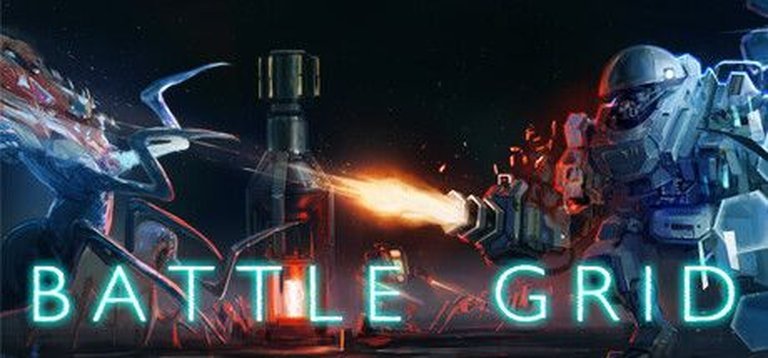
Battle Grid is a sci-fi autobattler roguelite where players harvest resources on a hostile planet while defending against waves of enemies using a customizable squad of mechs. With real-time strategy elements, players must strategically position units, mix weapons, and leverage synergies to survive escalating threats. The game features roguelite runs with permanent upgrades, multiple game modes, and a vast array of weapons, units, and enemies to create unique team combinations.
Gameplay Videos
Where to Buy Battle Grid
PC
Battle Grid Patches & Updates
Battle Grid Guides & Walkthroughs
Battle Grid Reviews & Reception
steambase.io (83/100): A triumphant return to form for the series.
Battle Grid: A Roguelite Autobattler’s Rise in the Mech-Shooter Genre
Introduction: The Corporate Grind Meets Cosmic Survival
Battle Grid (2023) is a fascinating hybrid of genres—a sci-fi roguelite autobattler where players assemble squads of mechs to harvest alien resources while fending off relentless extraterrestrial hordes. Developed by Barking Dogs and published under the Electronic Sheep Games banner, this indie title carves a niche in the crowded roguelite space by blending Auto Chess-inspired team-building with bullet-hell intensity. Its premise is simple yet compelling: for the shadowy Synthcorp, you must “destroy to survive,” balancing resource extraction with tactical combat in a brutal, procedurally generated corporate ladder.
At its core, Battle Grid is a game about synergies—mixing and matching 80+ weapons and units to create unstoppable combinations. Yet, beneath its mechanical depth lies a satirical critique of corporate exploitation, wrapped in a retro-futuristic aesthetic. While its reception has been mixed (a “Very Positive” Steam rating contrasts with sparse critical coverage), the game’s ambition and innovation demand closer examination. This review dissects Battle Grid’s design, legacy, and place in the evolving landscape of roguelites and autobattlers.
Development History & Context: Indie Ambition in a Crowded Market
The Studio Behind the Grid
Barking Dogs, a relatively obscure indie studio, developed Battle Grid using the Unity engine—a pragmatic choice for a small team aiming for cross-platform accessibility. The game’s October 2023 release on Steam (priced at a modest $5.99, later discounted to $2.99) positioned it as a budget-friendly alternative to more polished autobattlers like Dota Underlords or Teamfight Tactics. Its development was likely constrained by limited resources, evident in its “slordig” (Dutch for “sloppy”) presentation, as noted by Gameplay (Benelux).
Inspirations and Genre Fusion
Battle Grid draws heavily from:
– Autobattlers (Auto Chess, Super Auto Pets): The core loop of drafting units and exploiting synergies.
– Roguelites (Vampire Survivors, 20 Minutes Till Dawn): The 20-minute survival runs and permanent upgrades.
– Bullet Hell Shooters (Enter the Gungeon): The chaotic, top-down combat.
– Mecha Aesthetics (Into the Breach, Front Mission): The sci-fi, grid-based tactical appeal.
This fusion was risky. Autobattlers thrive on meta-strategy and competitive depth, while roguelites rely on replayability and procedural variety. Battle Grid attempts both, with mixed success.
The 2023 Roguelite Landscape
Released amidst a glut of roguelites (Cult of the Lamb, Hades II), Battle Grid struggled for visibility. Its Steam Early Access launch (June 2023) and full release (October 2023) coincided with heavier hitters, yet its niche appeal—mech customization and corporate satire—offered a unique hook. The lack of major marketing or critical buzz (only one critic review on MobyGames) suggests it remained a cult favorite rather than a breakout hit.
Narrative & Thematic Deep Dive: Corporate Dystopia in Space
Plot: A Thin Veneer of Satire
Battle Grid’s narrative is minimalist but thematically rich. Players assume the role of a Synthcorp employee tasked with strip-mining alien planets. The “Corporate Ladder” mode introduces challenge modifiers, framing the player’s progression as a climb up a ruthless corporate hierarchy. The game’s Steam description—“For the corporation, you must destroy to survive”—hints at a darker commentary on capitalism and environmental exploitation.
However, the story is largely incidental. Dialogue is sparse, and characters are archetypal (e.g., the faceless corporate overlord). The real narrative emerges through gameplay: each run is a metaphor for the grind of corporate labor, where success hinges on exploiting resources (synergies) while surviving waves of hostility (enemies).
Themes: Exploitation and Synergy
- Corporate Exploitation: The game’s setting critiques late-stage capitalism. Players are cogs in Synthcorp’s machine, harvesting planets for profit while facing the consequences of their actions (e.g., awakening alien horrors).
- Synergy as Survival: The autobattler mechanics reinforce this theme. Success depends on “game-breaking synergies,” mirroring how corporations optimize workflows (or workers) for maximum output.
- Alienation: The isometric, grid-based combat and lack of character customization underscore the player’s role as a replaceable asset.
While the themes are compelling, their execution is underdeveloped. A deeper narrative—perhaps through environmental storytelling or NPC interactions—could have elevated Battle Grid from a mechanical curiosity to a thematic powerhouse.
Gameplay Mechanics & Systems: The Autobattler Roguelite Hybrid
Core Loop: Harvest, Build, Survive
Each run follows a structured progression:
1. Resource Harvesting: Players gather materials from alien planets, which double as currency for upgrades.
2. Unit Drafting: Mechs and weapons are acquired via a gacha-like system, encouraging experimentation.
3. Combat: Battles play out in real-time, with units auto-attacking based on their positioning and loadouts.
4. Permanent Upgrades: Between runs, players unlock grid improvements (e.g., increased unit slots, damage buffs).
Combat and Synergies
- Auto-Battler Mechanics: Units attack automatically, but positioning and loadout choices matter. For example, placing a tanky mech in front to absorb damage while ranged units deal DPS.
- Weapon/Unit Synergies: The game boasts 10+ unit synergies (e.g., “Sniper” units gain bonuses when grouped) and 15+ weapon synergies (e.g., “Laser” weapons chain damage). Discovering these combinations is the primary draw.
- Boss Fights: Three unique bosses (e.g., a massive alien leviathan) test the player’s build, requiring adaptive strategies.
Progression and Replayability
- Roguelite Elements: Permanent upgrades (e.g., “Corporate Contracts” for quest-based rewards) add meta-progression, but the lack of a compendium or detailed stats (as of early access) limits long-term engagement.
- Difficulty Curve: The “Survivors” mode (20-minute endurance runs) is punishing, with enemy waves scaling aggressively. The “Corporate Ladder” adds modifiers (e.g., “No Healing”) for veterans.
Flaws and Frustrations
- Repetition: The Dutch review (Gameplay Benelux) notes that “herhaling slaat snel toe” (“repetition sets in quickly”). The procedural generation lacks variety in enemy behaviors and planet layouts.
- UI and Clarity: The game’s interface is functional but unpolished. Weapon/unit descriptions are vague, making synergy discovery trial-and-error.
- Balance Issues: Some synergies (e.g., “Bomb” + “AOE” weapons) are overpowered, while others feel underwhelming. The Steam forums highlight complaints about “underground enemies” being hard to target.
World-Building, Art & Sound: Retro-Futurism on a Budget
Visual Design: Isometric Grit
Battle Grid’s art style is a love letter to 90s sci-fi, with:
– Isometric Perspective: A diagonal-down view reminiscent of Syndicate or Jagged Alliance.
– Pixel-Art Mechs: Units are detailed but lack animation fluidity. The “slordig” presentation (Gameplay Benelux) is evident in clunky sprite work.
– Alien Planets: Environments are procedurally generated but visually monotonous, with limited biomes (e.g., toxic wastelands, icy tundras).
Sound Design: Synthetic Atmosphere
- Music: The original soundtrack leans into synthwave, reinforcing the corporate dystopia theme. Tracks are atmospheric but repetitive.
- SFX: Weapon sounds (lasers, explosions) are satisfying, though enemy death cries grow tiresome.
Atmosphere: Loneliness in the Void
The game’s tone is bleakly humorous. The absence of allies or NPCs amplifies the isolation of corporate drudgery. The sci-fi setting is underutilized—more environmental storytelling (e.g., abandoned Synthcorp outposts) could have enriched the world.
Reception & Legacy: A Cult Hit in the Making?
Critical and Commercial Reception
- Steam Reviews: A “Very Positive” rating (83/100 on Steambase) suggests a dedicated fanbase, though the lack of major critic reviews (only Gameplay Benelux covered it) indicates limited mainstream appeal.
- Player Feedback: Steam forums reveal a divide:
- Praise: Fans applaud the depth of synergies and the “one more run” addictiveness.
- Criticism: Complaints focus on repetition, balance, and the need for more content (e.g., “Please give us new Content” threads).
Influence and Future Potential
Battle Grid’s legacy may lie in its bold genre fusion. While not a trendsetter, it proves that autobattlers can thrive outside the MOBA ecosystem. Future updates (e.g., the promised “Deck Management” and “Compendium” features) could address its flaws.
Comparisons to Mech Armada (per Steam forums) suggest it borrows assets or inspiration, but its autobattler mechanics set it apart. If Barking Dogs expands the narrative and polishes the presentation, Battle Grid could evolve into a defining indie autobattler.
Conclusion: A Flawed Gem with Untapped Potential
Battle Grid is a paradox—a game with brilliant mechanical depth but shallow execution. Its autobattler roguelite hybrid is innovative, and its corporate satire is timely, yet it stumbles in presentation and variety. For $2.99, it’s a steal for fans of Vampire Survivors or Auto Chess, but it lacks the polish to compete with AAA roguelites.
Final Verdict: 7.5/10 – A Promising Experiment in Need of Refinement
Strengths:
✔ Deep synergy system with 80+ weapons/units.
✔ Addictive “one more run” gameplay loop.
✔ Unique blend of autobattler and roguelite mechanics.
✔ Satirical corporate themes.
Weaknesses:
✖ Repetitive enemy waves and planet designs.
✖ Underdeveloped narrative and world-building.
✖ Clunky UI and balance issues.
✖ Limited long-term replayability.
Battle Grid is a game that punches above its weight in creativity but falls short in execution. With post-launch support, it could ascend from cult curiosity to genre standout. For now, it’s a rough diamond—flawed but fascinating.
Post-Script: As of January 2026, Battle Grid remains in active development, with the Steam community clamoring for new content. Its journey mirrors its own theme: a corporate grind with the potential for greatness, if only the right synergies are found.