
- Release Year: 2017
- Platforms: Linux, Nintendo Switch, Windows
- Publisher: Bigmode, Team D-13
- Developer: Team D-13
- Genre: Action
- Perspective: Top-down
- Game Mode: Single-player
- Gameplay: Bullet hell, Multiplier System, Roguelike, Score chasing, Weapon switching
- Average Score: 90/100
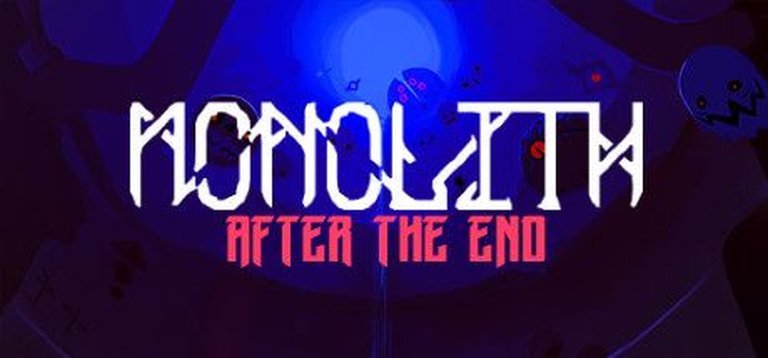
Description
Star of Providence is a fast-paced, top-down roguelike shoot ’em up (shmup) that challenges players with punishing bullet hell patterns and intense boss battles. Set in a mysterious and atmospheric world, the game emphasizes skill-based gameplay, offering high replayability through its difficulty modes, weapon-switching mechanics, and score-chasing systems. With its tight controls and rewarding progression, it appeals to both hardcore shmup fans and those new to the genre.
Gameplay Videos
Where to Buy Star of Providence
Star of Providence Mods
Star of Providence Guides & Walkthroughs
Star of Providence Reviews & Reception
metacritic.com (84/100): A triumphant return to form for the series.
opencritic.com (90/100): I loved Star of Providence to the point of having trouble putting it down because of its fast-paced shmup gameplay, punishing bullet hell patterns, and replayability.
rogueliker.com : I adore this little game (that’s not so little anymore). The run length, visuals, and pacing may make it seem like there’s not much to offer here but Star of Providence holds its own among the greats.
steambase.io (97/100): Star of Providence has earned a Player Score of 97 / 100.
Star of Providence: A Masterclass in Roguelike Bullet Hell Design
Introduction
In the crowded landscape of roguelike shooters, Star of Providence (originally Monolith) stands as a testament to the power of focused design, relentless polish, and the marriage of two demanding genres: bullet hell and procedural dungeon crawling. Released in 2017 by the indie studio Team D-13, this top-down action shooter has quietly cultivated a devoted following, earning critical acclaim and a reputation as one of the most accessible yet deeply rewarding entries in the roguelite space. With its 2025 Nintendo Switch port and the “Into Oblivion” update, the game has finally stepped into the spotlight it deserves.
Star of Providence is not just another twin-stick shooter; it is a meticulously crafted love letter to the arcade era, infused with modern roguelike mechanics and a haunting, atmospheric narrative. Its brilliance lies in its ability to distill the essence of its influences—Spelunky, Enter the Gungeon, Binding of Isaac—into a tighter, more refined experience. Where other games in the genre often overwhelm with sprawling complexity, Star of Providence thrives on elegance, ensuring every mechanic, weapon, and enemy serves a purpose.
This review will dissect the game’s development history, narrative depth, gameplay systems, artistic vision, and lasting legacy, arguing that Star of Providence is not merely a great roguelite but a defining example of how to blend precision gameplay with emergent storytelling.
Development History & Context
The Birth of Team D-13 and the Vision Behind Monolith
Star of Providence began its life as Monolith, a passion project by Team D-13, a small indie studio with a clear vision: to create a bullet hell roguelite that prioritized tight gameplay over bloated content. The game was built using GameMaker, a tool often associated with simpler indie projects, yet Team D-13 leveraged it to craft a game with surprising depth and polish. The studio’s philosophy was simple: fast-paced, replayable, and fair.
The game’s initial release in June 2017 was met with modest fanfare, but its quality quickly garnered attention. Critics praised its buttery-smooth 60 FPS gameplay, addictive loop, and punishing yet rewarding difficulty. However, the game’s journey was not without hurdles. In 2023, Team D-13 was forced to rebrand Monolith as Star of Providence to avoid legal conflicts with Monolith Productions, the studio behind Shadow of Mordor. This rebranding coincided with the integration of the Relics of the Past DLC into the base game, a move that expanded its content without fragmenting the player base.
The Gaming Landscape in 2017 and Beyond
2017 was a pivotal year for roguelites. The Binding of Isaac: Afterbirth+, Enter the Gungeon, and Dead Cells dominated the conversation, setting high bars for procedural generation, weapon variety, and boss design. Star of Providence entered this competitive space with a distinct identity: it was shorter, sharper, and more focused than its peers.
While games like Enter the Gungeon emphasized sprawling runs and hundreds of items, Star of Providence opted for 30-minute runs with tightly designed weapons and modifiers. This design choice made it more accessible to newcomers while still offering depth for veterans. The game’s bullet hell mechanics also set it apart, demanding precision and reflexes in a way that few roguelites did at the time.
The 2025 Nintendo Switch port, published by BIGMODE (known for Animal Well), further cemented the game’s legacy, introducing it to a new audience and solidifying its place in the modern indie canon.
Narrative & Thematic Deep Dive
The Lore: A Facility of Forgotten Power
Star of Providence drops players into a long-abandoned facility, a labyrinthine structure filled with remnants of a lost civilization. The game’s opening narration sets the tone:
“Long ago, an old facility was rumored to hold fantastic technology powered by an enigmatic source. Somewhere within, a well of Power Eternal. Dormant for ages, its doors have opened anew and welcome the visitors…”
The narrative is minimalist yet haunting, delivered through environmental storytelling, cryptic NPC dialogue, and the occasional lore snippet. The facility is divided into themed floors, each with its own aesthetic and hazards:
- Excavation (Level 1): An abandoned mine, hinting at the facility’s origins.
- Archives (Level 2): A decaying library, once a repository of knowledge.
- Maintenance System (Level 3): A flooded, industrial nightmare.
- Bellows (Level 4): A fiery, mechanical hellscape.
- Sanctum (Level 5): A sacred, almost religious space.
- ??? (Level 6): The unnamed floor, a place of corruption and mystery.
The game’s lore revolves around the Power Eternal, a quasi-sentient force that grants immense power at a terrible cost. Those who seek it—like the protagonist Null and their companion D-13—risk losing themselves to its influence.
Characters and Their Arcs
- Null: The default protagonist, a ship (or perhaps a consciousness) searching for the Power Eternal. Their journey is one of ambition and corruption, culminating in a tragic transformation into the Monolith, the game’s former namesake.
- D-13: Null’s companion, who serves as the protagonist in Hard Mode. D-13’s arc is one of loyalty and sacrifice, culminating in a heartbreaking final battle against their corrupted friend.
- Kleines: A catfolk shopkeeper who provides upgrades and cryptic advice. His dry humor and occasional fourth-wall-breaking remarks add levity to the game’s dark tone.
- Bloke: A shady merchant who embodies the game’s satirical take on capitalism, forcing players to “haggle” by shooting at him.
- The Omniscient Council of Vagueness: A group of seven mages, each representing a school of magic. Their influence is felt through the game’s Reliquary Blessings, which grant powerful buffs.
Themes: Power, Corruption, and the Cost of Knowledge
Star of Providence explores several dark, philosophical themes:
- The Corrupting Nature of Power: The Power Eternal is not just a MacGuffin; it is a sentient force that consumes those who wield it. Null’s transformation into the Monolith is a direct consequence of their ambition.
- The Fragility of Knowledge: The Archives floor is a ruined library, symbolizing the loss of history and the dangers of forgotten technology.
- The Illusion of Control: The game’s procedural generation and punishing difficulty reinforce the idea that no amount of preparation can guarantee survival. The facility itself seems to resist intrusion, as if it is alive.
- Sacrifice and Redemption: D-13’s Hard Mode ending, where they destroy the Power Eternal at the cost of Null’s life, is a bittersweet climax that questions whether some powers should remain buried.
The game’s multiple endings further explore these themes, with some concluding in eternal imprisonment (e.g., defeating Chaosgod) or infinite wandering (the Loop 13 ending).
Gameplay Mechanics & Systems
Core Gameplay Loop: Exploration, Combat, and Progression
Star of Providence’s gameplay is a masterclass in tight design. Each run follows a clear structure:
- Descend through procedurally generated floors, each with unique enemies, traps, and layouts.
- Defeat minibosses to unlock the seal boss, which guards the exit to the next floor.
- Collect weapons, upgrades, and cartridges to enhance your ship’s capabilities.
- Face the floor’s boss, which tests your mastery of the game’s mechanics.
- Repeat until death, with permanent unlocks and upgrades making each subsequent run easier.
The game’s room-based design ensures that combat is fast and intense, with most encounters lasting seconds rather than minutes. This pacing keeps the game addictive and replayable, as players are constantly pushed to improve.
Weapon System: A Symphony of Destruction
The weapon system is where Star of Providence truly shines. There are 13 weapon types, each with dozens of modifiers, leading to hundreds of possible combinations. Some standout weapons include:
- Sword: A melee weapon that fires Sword Beams and can block bullets. Variants like Excalibur and Edge of Reality add unique mechanics, such as instant runes or black hole creation.
- Drill: A wall-piercing weapon that can destroy blocks, referencing classic adventure games.
- Laser: A high-damage, precision weapon with modifiers like chain lightning or homing.
- Razor: Orbiting discs that can be flung at enemies, evoking Ikaruga-style mechanics.
Weapons are ammo-limited, forcing players to strategically switch between them. This system ensures that no two runs feel the same, as players must adapt to the weapons they find.
Combat: Bullet Hell Meets Roguelite
The combat is a brutal ballet of bullets, demanding precision movement, quick reflexes, and strategic thinking. Key mechanics include:
- Dashing: A short invincibility frame that allows players to dodge through bullets.
- Bombs: Clear the screen of bullets but are limited in number, forcing players to use them judiciously.
- Shields: Temporary protection that can be earned through upgrades or weapon modifiers.
- Curses: Negative effects that add challenge, such as Haphephobia (wall damage) or Paranoia (spawning enemies).
The game’s bullet patterns are meticulously designed, with later floors and bosses introducing complex, multi-phase attacks that rival Touhou in intensity.
Boss Fights: A Test of Skill and Adaptation
Star of Providence’s bosses are some of the best in the genre, each with unique mechanics and attack patterns. Notable bosses include:
- Overlord: A multi-phase battle that serves as the Disc-One Final Boss. Defeating them unlocks the deeper, more dangerous floors.
- Monolith (Null): The Hard Mode final boss, a tragic battle against a corrupted ally.
- Chaosgod: A superboss that requires full seal completion and offers one of the game’s most challenging fights.
- Database: A multi-phase gauntlet that culminates in a reality-warping final phase in Loop 13.
Each boss turns red as their health depletes, intensifying their attacks and forcing players to adapt on the fly.
Progression and Permanent Upgrades
While each run is self-contained, Star of Providence offers permanent progression through:
- Kleines’ Shop: Unlock new items, weapons, and upgrades using scrap (the game’s currency).
- Cartridges: Passive buffs that can be equipped before runs, such as increased ammo capacity or faster movement.
- Blessings: Powerful, one-time-use buffs granted by the Omniscient Council.
- Lethality Modes: Mild, Intense, and Sudden Death modes that increase damage output while reducing max HP, catering to different playstyles.
This system ensures that even failed runs feel rewarding, as players are always unlocking new tools to tackle the next attempt.
World-Building, Art & Sound
A Haunting, Pixelated Nightmare
Star of Providence’s visual design is a masterful blend of retro aesthetics and modern polish. The game’s pixel art is detailed and atmospheric, with each floor boasting a distinct color palette and theme:
- Excavation: Earthy browns and greys, evoking a decaying mine.
- Archives: Faded blues and whites, reminiscent of a forgotten library.
- Bellows: Fiery reds and oranges, a mechanical inferno.
- Sanctum: Golden hues and religious iconography, a sacred space corrupted by time.
The game’s enemy designs are equally impressive, ranging from skeletal mages to mechanical horrors, each with unique attack patterns that make them instantly recognizable.
Sound Design: A Chiptune Symphony
The soundtrack is a pulsing, energetic chiptune masterpiece that perfectly complements the game’s fast-paced action. Each floor has its own distinct theme, with boss fights featuring intense, multi-layered tracks that heighten the tension.
The sound effects are crisp and satisfying, from the crack of a laser to the explosion of a bomb. The game’s minimalist approach to voice acting (limited to Kleines’ dry quips) ensures that the audio never overwhelms the gameplay.
Atmosphere: A Facility That Feels Alive
Star of Providence’s greatest achievement is its atmosphere. The facility feels like a living, breathing entity, resisting the player’s intrusion at every turn. The procedural generation ensures that no two runs feel the same, while the environmental storytelling (e.g., broken terminals, abandoned labs) hints at a rich, tragic history.
The game’s secret areas, such as the Temple and Nowhere, further deepen the mystery, offering hidden lore and brutal challenges for those willing to seek them out.
Reception & Legacy
Critical and Commercial Reception
Star of Providence was warmly received by critics, earning an 83% average score on MobyGames and an 84 Metacritic score. Reviewers praised its:
- Tight, addictive gameplay (Destructoid: “One of the most addictive roguelikes I’ve played”).
- Brilliant boss design (Digital Chumps: “Punishing bullet hell patterns that test your dexterity”).
- Accessibility (TheSixthAxis: “The perfect entry-level choice for roguelites”).
The game’s Nintendo Switch port in 2025 introduced it to a wider audience, with critics noting its perfect fit for the platform (Nintendo Wire: “A must-play for Switch owners”).
Player Reception and Community
On Steam, the game boasts an Overwhelmingly Positive rating (96% from over 3,000 reviews), with players praising its:
- Replayability (“Every run feels different”).
- Fair difficulty (“Hard but never unfair”).
- Depth (“More content than I expected”).
The game’s modding community has also thrived, with players creating new weapons, bosses, and even full floors.
Influence and Legacy
Star of Providence has influenced a wave of indie roguelites, proving that focused design can rival sprawling complexity. Its weapon system has been cited as an inspiration for games like Risk of Rain 2 and Hades, while its boss design has set a new standard for bullet hell roguelites.
The game’s 2025 resurgence (thanks to the Switch port and “Into Oblivion” update) has solidified its place as a modern classic, ensuring that its legacy will endure for years to come.
Conclusion: A Star in the Roguelite Firmament
Star of Providence is not just a great game—it is a masterpiece of focused design. In an era where roguelites often overwhelm with content, Team D-13’s creation stands out for its elegance, precision, and depth. It is a game that respects the player’s time while demanding their skill, a rare balance that few titles achieve.
Its narrative depth, haunting atmosphere, and brutally satisfying combat make it a must-play for fans of the genre. Whether you are a roguelite veteran or a newcomer looking for an accessible entry point, Star of Providence delivers an experience that is both challenging and rewarding.
Final Verdict: 9.5/10 – A Modern Classic
Star of Providence is more than just a game—it is a testament to the power of indie development. It proves that greatness does not require sprawl, that precision can outshine complexity, and that a small team with a clear vision can create something truly extraordinary.
If you have not yet descended into its bullet-riddled depths, do so immediately. The Power Eternal awaits—and it is worth every death.
Key Takeaways:
– Tight, addictive gameplay with 30-minute runs.
– Hundreds of weapon combinations ensure no two runs feel the same.
– Brilliant boss design that rivals Touhou in intensity.
– Haunting atmosphere and minimalist storytelling.
– Perfect for both newcomers and veterans of the roguelite genre.
Star of Providence is not just a star—it is a supernova in the roguelite sky. Play it. Master it. Become the Star of Providence.