
- Release Year: 2015
- Platforms: Linux, Macintosh, Windows
- Publisher: Träumendes Mädchen
- Developer: Träumendes Mädchen
- Genre: Compilation
- Game Mode: Single-player
Description
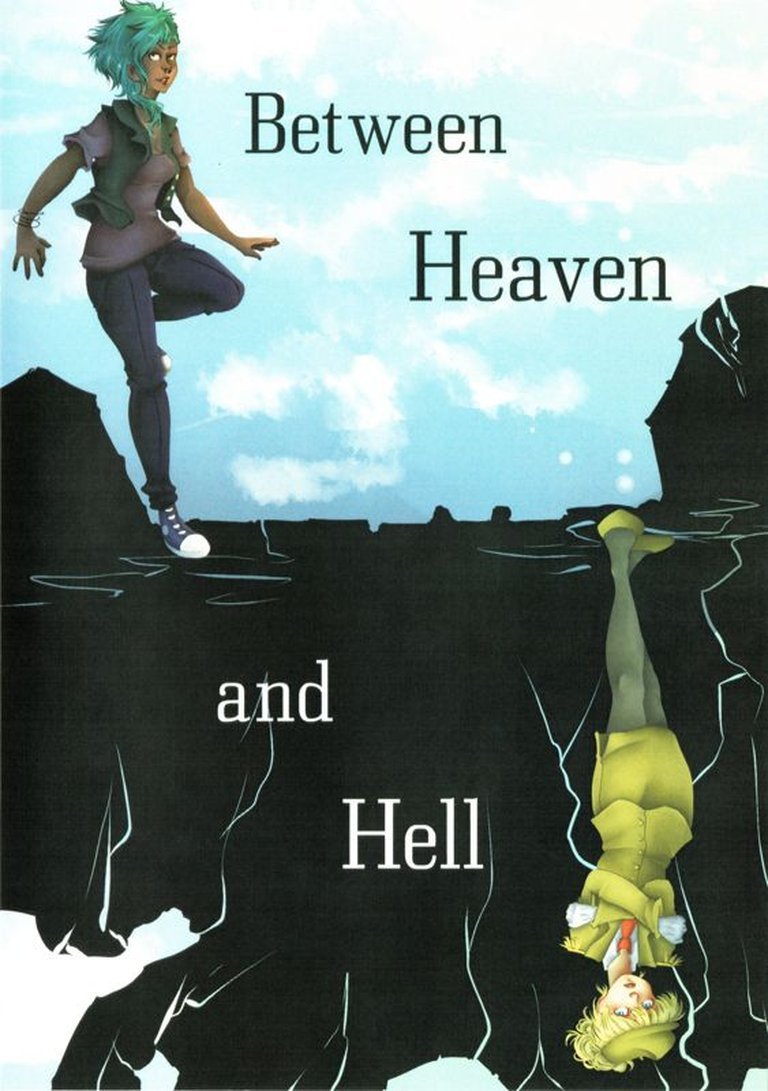
Between Heaven and Hell is a physical compilation of two free visual novels, Garden of Oblivion and Wounded by Words, developed by Träumendes Mädchen. Released in 2015 for Windows, Linux, and Macintosh, the game features a launcher that allows players to choose between the two included titles. The compilation offers a blend of narrative-driven experiences, combining atmospheric storytelling with the unique themes of each visual novel.
Between Heaven and Hell Patches & Updates
Between Heaven and Hell Guides & Walkthroughs
Between Heaven and Hell Reviews & Reception
retro-replay.com : Between Heaven and Hell delivers a tight blend of action, platforming, and puzzle-solving that keeps players on their toes from start to finish.
Between Heaven and Hell Cheats & Codes
PC
Start the game with one of the following command line parameters to activate the corresponding cheat function.
| Code | Effect |
|---|---|
| -debug | Debug mode |
| -fps | Display frame rate |
| -multi | Unknown |
| -singlestep | Unknown |
| -network | Unknown |
| -loadnetwork | Unknown |
| -client | Unknown |
| -good | Unknown |
| -bad | Unknown |
| -level | Unknown |
| -systemcursor | Unknown |
| -display | Unknown |
Between Heaven and Hell: A Masterclass in Homage and Innovation
Introduction
In the vast, often overlooked landscape of freeware games, Between Heaven and Hell (2006) stands as a towering achievement—a love letter to the golden age of cinematic platformers, wrapped in a narrative of love, loss, and bureaucratic damnation. Developed by Matt Dabrowski under the MadGames banner, this title is more than just a nostalgic throwback; it is a meticulously crafted experience that understands the soul of its inspirations while carving out its own identity. Drawing from classics like Out of This World, Heart of Darkness, and Flashback, Between Heaven and Hell weaves a tale of desperation and determination, set in a liminal world where every jump, every puzzle, and every enemy encounter feels like a fight against the inevitable.
This review will dissect Between Heaven and Hell in exhaustive detail, exploring its development history, narrative depth, gameplay mechanics, artistic vision, and lasting legacy. It is a game that deserves to be remembered not just as a homage, but as a testament to what passion and perseverance can achieve in game development.
Development History & Context
The Birth of a Passion Project
Between Heaven and Hell was born from Matt Dabrowski’s frustration with his college curriculum and his deep admiration for Out of This World (Another World in Europe), a game he considered a masterpiece of interactive storytelling. Dabrowski, a student at the University of Southern California, sought to create something that captured the essence of Eric Chahi’s seminal work—its fluid animation, cinematic pacing, and atmospheric tension—while infusing it with his own creative vision.
Development began in earnest in April 2004, with Dabrowski leveraging the AGAST engine, a versatile tool he had previously used for his graphic adventure AfterShocked!. The AGAST engine, though primarily designed for point-and-click adventures, proved adaptable enough to accommodate the platforming mechanics Dabrowski envisioned. However, the journey was far from smooth. The game’s development spanned over two years, with Dabrowski juggling academic pressures, personal challenges, and the sheer scope of his ambition.
The Challenges of a One-Man Army
Dabrowski’s postmortem reveals the trials of a solo developer navigating the complexities of game design. Early prototypes were clunky, with sluggish controls and punishing difficulty that alienated testers. The game’s art style, a product of Dabrowski’s limited artistic skills, was salvaged through clever use of Photoshop’s “Smudge Stick” filter, which lent the backgrounds a painterly, almost dreamlike quality. This stylistic choice, born of necessity, became one of the game’s defining features.
The narrative, too, evolved significantly. Initial drafts were overly jokey and tonally inconsistent, clashing with the game’s dark, atmospheric visuals. Dabrowski eventually settled on a more earnest, campy tone, drawing inspiration from Hollywood’s big-budget action movies. The dialogue, though intentionally cheesy, was kept minimal to maintain the game’s cinematic pacing.
The Role of Community and Feedback
Feedback from friends and beta testers was instrumental in shaping Between Heaven and Hell. Early builds were criticized for their punishing difficulty, prompting Dabrowski to introduce more checkpoints and refine the controls. The game’s soundtrack, composed using Noteworthy Composer, was another labor of love, with Dabrowski meticulously crafting each note to evoke the tension and drama of the on-screen action.
The final months of development were a race against time, with Dabrowski balancing his academic responsibilities with his passion project. The game’s release in September 2006 marked the culmination of over two years of relentless effort, a testament to Dabrowski’s dedication and resilience.
Narrative & Thematic Deep Dive
A Simple Yet Compelling Premise
Between Heaven and Hell opens with a tragic twist of fate: Vince and his fiancée Anna are involved in a car accident that sends them to Limbo, a purgatorial realm between life and death. Due to a clerical error, Anna is condemned to Hell, and Vince must navigate the treacherous landscapes of Limbo to save her. This premise, though simple, is rich with thematic potential. It taps into universal fears of separation, bureaucratic indifference, and the struggle against insurmountable odds.
The game’s narrative is delivered through a combination of environmental storytelling, brief cutscenes, and minimal dialogue. Vince’s journey is one of desperation and determination, with each obstacle reinforcing the stakes of his quest. The world of Limbo is populated by grotesque demons, rogue machines, and enigmatic robed figures, each representing different facets of the afterlife’s bureaucracy.
Themes of Love, Sacrifice, and Bureaucracy
At its core, Between Heaven and Hell is a story about love and sacrifice. Vince’s unwavering commitment to saving Anna drives the narrative forward, imbuing even the most challenging gameplay segments with emotional weight. The game’s ending, which Dabrowski crafted with the help of his girlfriend Nathalie, is deliberately ambiguous, allowing players to interpret the events in multiple ways. This ambiguity adds depth to the narrative, inviting players to reflect on the nature of fate, free will, and the power of love.
The bureaucratic elements of Limbo serve as a metaphor for the impersonal forces that govern life and death. The robed figures, with their rigid adherence to protocol, embody the cold, unfeeling nature of bureaucracy. Vince’s struggle against these forces underscores the game’s central theme: the individual’s fight against systemic indifference.
The Influence of Cinema and Classic Games
Dabrowski’s love for Hollywood’s campy action movies is evident in the game’s tone and presentation. The dialogue, though minimal, is infused with a self-aware cheesiness that pays homage to the over-the-top spectacle of films like Die Hard and The Terminator. This campy tone is balanced by the game’s darker, more atmospheric moments, creating a unique blend of humor and tension.
The influence of classic cinematic platformers is equally pronounced. Out of This World’s fluid animation and environmental storytelling are mirrored in Between Heaven and Hell’s level design and narrative delivery. The game’s puzzles and combat sequences draw inspiration from Prince of Persia and Flashback, while its darker, more surreal moments evoke Heart of Darkness and Oddworld.
Gameplay Mechanics & Systems
Core Gameplay Loop: A Dance of Precision and Patience
Between Heaven and Hell is, at its heart, a cinematic platformer, blending precise platforming, puzzle-solving, and combat into a cohesive whole. The game’s controls are tight and responsive, with Vince’s movements feeling fluid and natural. Jumping, climbing, and traversing the environment are all handled with a level of precision that harkens back to the golden age of 2D platformers.
The game’s difficulty is carefully balanced, with checkpoints placed at strategic intervals to prevent excessive frustration. Early builds were criticized for their punishing difficulty, but Dabrowski’s refinements ensure that the game remains challenging without being unfair. The platforming segments are particularly well-designed, with each jump and climb feeling like a triumph of skill and timing.
Combat: A Test of Reflexes and Strategy
Combat in Between Heaven and Hell is a mix of melee and ranged encounters, with Vince facing off against a variety of enemies, from grotesque demons to rogue machines. The game’s combat system is simple but effective, with Vince’s attacks feeling weighty and impactful. The limited ammo for ranged weapons adds a layer of strategy, forcing players to conserve resources and prioritize targets.
The boss battles are a highlight of the game’s combat design. Each boss encounter is a test of reflexes and pattern recognition, with Vince’s victory feeling like a hard-won triumph. The final battle, in particular, is a masterclass in tension and spectacle, with Vince facing off against a monstrous entity that embodies the horrors of Limbo.
Puzzle-Solving: A Blend of Observation and Ingenuity
Puzzle-solving is seamlessly integrated into the game’s level design, with players required to manipulate switches, avoid traps, and use the environment to progress. These puzzles are reminiscent of classic titles like Flashback and Heart of Darkness, demanding both patience and observation. While some puzzles can be challenging, the game’s checkpoint system ensures that players are never stuck for too long.
One of the game’s most ingenious puzzles involves manipulating a series of nodes to redirect energy and open doors. This puzzle, though complex, is a testament to Dabrowski’s level design prowess, blending logic and creativity in a way that feels both satisfying and rewarding.
UI and Innovation: A Minimalist Approach
The game’s UI is minimalist, with health and ammo indicators displayed unobtrusively at the edges of the screen. This design choice ensures that the player’s focus remains on the action, immersing them in the world of Limbo. The game’s lack of a traditional HUD is a deliberate nod to its cinematic inspirations, reinforcing the sense of being part of an interactive movie.
In terms of innovation, Between Heaven and Hell doesn’t reinvent the wheel, but it refines and polishes the mechanics of its predecessors. The game’s fluid animation, tight controls, and seamless integration of platforming, combat, and puzzle-solving set it apart from other freeware titles, making it a standout example of what can be achieved with passion and dedication.
World-Building, Art & Sound
The World of Limbo: A Realm of Nightmares and Wonders
Limbo, as depicted in Between Heaven and Hell, is a realm of stark contrasts—a place where the boundaries between life and death blur, and where the remnants of human bureaucracy clash with the horrors of the afterlife. The game’s environments are richly detailed, with each area offering a unique visual and thematic experience.
The early levels, set in a cavernous underworld, evoke a sense of claustrophobia and dread. As Vince progresses, he encounters industrial complexes, demonic fortresses, and surreal landscapes, each with its own distinct aesthetic. The game’s use of color is particularly striking, with icy blues, fiery reds, and muted grays creating a visual palette that is both haunting and beautiful.
Art Direction: A Painterly Masterpiece
The game’s art direction is one of its most defining features. Dabrowski’s use of Photoshop’s “Smudge Stick” filter, though born of necessity, lends the backgrounds a painterly quality that is both unique and evocative. The character sprites are well-animated, with Vince’s movements feeling fluid and natural. The game’s enemies, from grotesque demons to rogue machines, are designed with a level of detail that belies the game’s freeware status.
The game’s visual style is reminiscent of classic cinematic platformers, with layered parallax scrolling creating a sense of depth and immersion. The use of lighting and particle effects further enhances the game’s atmosphere, with embers drifting through the air and spectral wisps adding to the sense of otherworldly dread.
Sound Design: A Symphony of Tension and Drama
The game’s soundtrack, composed by Dabrowski using Noteworthy Composer, is a masterclass in atmospheric composition. The music shifts dynamically to match the on-screen action, with haunting choral pieces in the liminal zones and driving percussion during boss battles. The soundtrack is a testament to Dabrowski’s musical talent, with each track evoking the tension and drama of Vince’s journey.
The sound effects are equally impressive, with each enemy encounter, environmental hazard, and puzzle solution accompanied by a carefully crafted audio cue. The game’s use of sound is immersive, drawing players deeper into the world of Limbo and enhancing the sense of urgency and danger.
Reception & Legacy
Critical and Commercial Reception
Between Heaven and Hell was released as freeware in September 2006, garnering praise for its tight gameplay, atmospheric visuals, and emotional narrative. Critics and players alike lauded the game’s homage to classic cinematic platformers, with many noting its fluid animation, challenging but fair difficulty, and immersive world-building.
The game’s reception was particularly positive among fans of retro gaming, who appreciated its faithful recreation of the mechanics and aesthetics of its inspirations. The game’s soundtrack and art direction were also singled out for praise, with many noting the game’s unique visual style and atmospheric sound design.
Influence and Lasting Impact
Though Between Heaven and Hell remains a relatively obscure title, its influence can be seen in the work of indie developers who cite it as an inspiration. The game’s blend of cinematic storytelling, tight gameplay, and atmospheric world-building has resonated with a generation of developers seeking to revive the spirit of classic platformers.
The game’s legacy is also evident in its enduring popularity among retro gaming enthusiasts. Despite its freeware status, Between Heaven and Hell has maintained a dedicated fanbase, with players continuing to discover and appreciate its unique blend of challenge and charm.
The 2015 Compilation: A New Chapter
In 2015, Between Heaven and Hell was included in a physical compilation by Träumendes Mädchen, alongside the visual novels Garden of Oblivion and Wounded by Words. This compilation, released on CD-ROM for Windows, Linux, and Macintosh, introduced the game to a new audience, further cementing its status as a cult classic.
Conclusion: A Timeless Masterpiece
Between Heaven and Hell is more than just a homage to the golden age of cinematic platformers; it is a testament to the power of passion and perseverance in game development. Matt Dabrowski’s labor of love is a masterclass in level design, narrative storytelling, and atmospheric world-building, blending the best elements of its inspirations while carving out its own identity.
The game’s tight controls, challenging but fair difficulty, and immersive world make it a standout example of what can be achieved with dedication and creativity. Its emotional narrative, campy tone, and atmospheric visuals ensure that it remains a memorable experience, long after the credits roll.
In the pantheon of retro gaming, Between Heaven and Hell deserves a place of honor—a game that not only pays tribute to the classics but stands alongside them as a masterpiece in its own right. For fans of cinematic platformers, atmospheric storytelling, and challenging gameplay, Between Heaven and Hell is an essential experience, a journey through the shadows of Limbo that is as rewarding as it is harrowing.
Final Verdict: 9.5/10 – A Timeless Classic