
- Release Year: 2013
- Platforms: PlayStation 4, Windows, Xbox 360
- Publisher: Qute Corporation, Rising Star Games Ltd.
- Developer: Qute Corporation
- Genre: Action
- Perspective: Top-down
- Game Mode: Single-player
- Gameplay: Arcade mode, Arcade, Customizable weapons, Shooter, Story mode
- Setting: Futuristic, Sci-fi
- Average Score: 82/100
Description
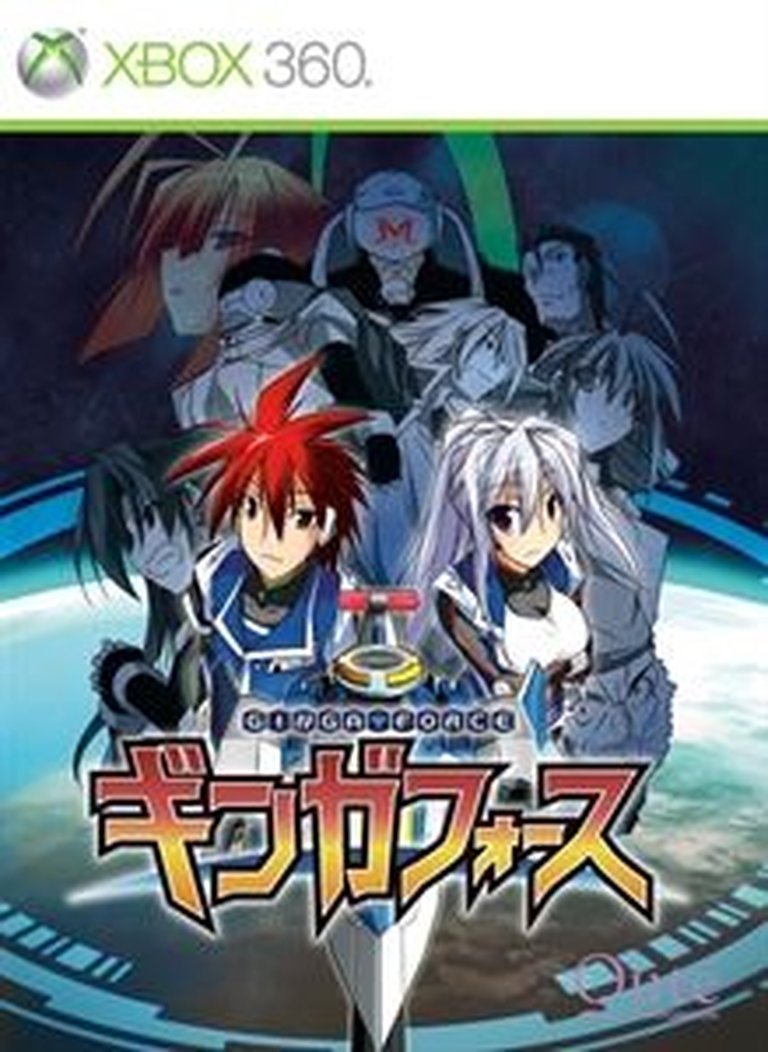
Ginga Force is a vertically-scrolling shoot ’em up (shmup) set in a seven-planet solar system, where players take on the role of space police pilots tasked with maintaining order. The game features customizable ships with primary and secondary weapons, offering a mix of forward shots, lasers, and wide or diagonal attacks. Players can choose between a story mode with full voice acting or a classic arcade mode, blending intense action with strategic weapon selection in a sci-fi setting.
Gameplay Videos
Where to Buy Ginga Force
PC
Ginga Force Guides & Walkthroughs
Ginga Force Reviews & Reception
metacritic.com (82/100): Out of the hundreds of shoot ’em ups that I’ve played in my decades of gaming, I can easily say that Ginga Force is one of the best.
steamcommunity.com : I’m pretty sure people who bought this game were expecting Eschatos 2.0 or something when that’s not what Ginga Force is about gameplay-wise.
store.steampowered.com : Ginga Force is a stunning accomplishment
videochums.com : Out of the hundreds of shoot ’em ups that I’ve played in my decades of gaming, I can easily say that Ginga Force is one of the best.
Ginga Force: A Masterclass in Modern Shoot ‘Em Up Design
Introduction
In the pantheon of vertical shoot ’em ups (shmups), Ginga Force stands as a bold, experimental entry that defies genre conventions while paying homage to its predecessors. Developed by Qute Corporation—a studio with a storied history in the shmup genre—Ginga Force is a game that dares to blend narrative depth, strategic customization, and relentless bullet-hell action into a cohesive, if occasionally flawed, experience. Released initially in 2013 for the Xbox 360 and later ported to PlayStation 4 and PC in 2020, Ginga Force is both a spiritual successor to Eschatos and a radical departure from traditional shmup design. This review will dissect the game’s development history, narrative ambitions, gameplay mechanics, artistic direction, and legacy, ultimately arguing that Ginga Force is a landmark title that pushes the boundaries of what a shmup can be—even if it stumbles in execution at times.
Development History & Context
The Studio and Its Legacy
Qute Corporation is a name synonymous with innovation in the shmup genre. Founded in the early 2000s, the studio cut its teeth developing games for the WonderSwan handheld, a niche platform that nonetheless fostered a dedicated community of shmup enthusiasts. Their early works, such as Judgement Silversword (2004) and Cardinal Sins (2005), were celebrated for their frenetic pacing, intricate bullet patterns, and technical prowess. However, it was Eschatos (2011) that cemented Qute’s reputation as a modern master of the genre. Eschatos was a tour de force of scrolling shooter design, blending 2D gameplay with dynamic 3D camera transitions and a relentless, score-chasing focus.
Ginga Force emerged as a spiritual successor to Eschatos, but with a crucial twist: it sought to integrate a deeper narrative and strategic customization into the shmup formula. This was a risky proposition. Traditional shmups, from Gradius to Ikaruga, had long prioritized pure gameplay mechanics over storytelling. Qute’s ambition with Ginga Force was to challenge this norm, creating a game that could appeal to both hardcore shmup veterans and players seeking a more immersive experience.
Technological Constraints and Design Philosophy
Developed for the Xbox 360, Ginga Force leveraged the console’s hardware to deliver a visually striking experience. The game employs a 2.5D aesthetic, blending 3D models and environments with 2D gameplay mechanics. This hybrid approach allowed for dynamic camera angles and perspective shifts, a hallmark of Qute’s design philosophy. However, the Xbox 360’s aging hardware posed challenges, particularly in maintaining smooth performance during the game’s most chaotic bullet-hell sequences.
The development team, led by director Mach and programmer M-KAI, faced the daunting task of balancing narrative integration with the fast-paced action inherent to shmups. The solution was to embed the story directly into the gameplay, with fully voiced dialogue playing out during stages. This was a double-edged sword: while it added depth, it also risked overwhelming players who needed to focus on dodging bullets.
The Gaming Landscape at Release
When Ginga Force launched in Japan in 2013, the shmup genre was experiencing a renaissance. Indie developers were revitalizing the genre with titles like Jamestown and Sine Mora, while classic series like Raiden and Gradius continued to attract niche audiences. However, the market was crowded, and standing out required innovation. Ginga Force’s blend of narrative, customization, and traditional shmup mechanics was a gamble—one that paid off in critical acclaim but struggled to find a broad audience.
The game’s initial release was limited to Japan, but its region-free status allowed it to gain a cult following among Western shmup enthusiasts. The 2020 ports to PlayStation 4 and PC, published by Rising Star Games, finally brought Ginga Force to a global audience, albeit seven years after its debut.
Narrative & Thematic Deep Dive
Plot Overview
Ginga Force is set in a distant future where humanity has colonized a seven-planet solar system. The story revolves around the newly terraformed planet of Seventia, rich in a powerful energy source called Septonium. The Mitsurugi Security Service (MSS), a space police force, is tasked with protecting Seventia from threats ranging from rogue hackers to corporate conspiracies. Players take on the roles of Alex Heatburn and Margaret Whitetail, two pilots of the FV-G27 Enforcer, as they navigate a web of intrigue involving the Magni Corporation, a shadowy AI named Specia, and a rogue scientist named Viridian Taylor.
The narrative unfolds across ten stages, each with its own objectives and boss battles. Unlike traditional shmups, which often relegate story to brief cutscenes, Ginga Force integrates its plot directly into the gameplay. Dialogue plays out in real-time during stages, with characters providing commentary, hints, and exposition. This approach is ambitious but flawed: the fast-paced action makes it difficult to follow the story, and the Japanese voice acting (with English subtitles) can be overwhelming for non-native speakers.
Character Analysis
- Alex Heatburn: The hot-headed, fiery-redheaded protagonist, Alex embodies the classic shmup hero archetype. His brash personality and determination drive the narrative forward, though his character development is minimal.
- Margaret Whitetail: Alex’s more composed partner, Margaret serves as a foil to his impulsiveness. Her calm demeanor and tactical acumen make her a compelling counterpart.
- Viridian Taylor: The primary antagonist, Viridian is the director of Magni Corporation, seeking to exploit Septonium for his own gain. His villainous breakdown during the final battle is a highlight of the game’s narrative.
- Specia: The benevolent AI overseeing Seventia, Specia is later revealed to have been replaced by a clone, adding a layer of intrigue to the story.
- Tini: A playful hacker with a penchant for mischief, Tini’s role as a “playful hacker” trope adds levity to the otherwise serious narrative.
Themes and Motifs
Ginga Force explores themes of corporate greed, environmental exploitation, and the ethical implications of AI. The Septonium energy source, while beneficial, is revealed to have harmful effects on humans, mirroring real-world concerns about unchecked technological advancement. The game’s narrative also touches on themes of loyalty and betrayal, particularly in the relationship between Alex, Margaret, and their superiors.
The game’s anime-inspired aesthetic and dialogue reinforce these themes, though the execution is uneven. The story’s integration into gameplay is a noble experiment, but the pacing and delivery often undermine its impact.
Gameplay Mechanics & Systems
Core Gameplay Loop
At its heart, Ginga Force is a vertical-scrolling shmup with a twist: it eschews traditional power-up systems in favor of a deep customization mechanic. Players earn credits by completing stages, which can then be spent on upgrading their ship’s weapons, engines, and special abilities. This system encourages experimentation and replayability, as players can tailor their loadouts to different stages and playstyles.
The game features two primary modes:
1. Story Mode: The main campaign, where players progress through ten stages, each with unique objectives and boss battles. Credits earned here can be used to purchase upgrades.
2. Score Attack Mode: A more traditional shmup experience, with preset loadouts and online leaderboards.
Combat and Weapon Systems
Ginga Force’s combat is built around three weapon types:
– Primary Weapon: Forward-firing shots, lasers, or wide-area attacks.
– Secondary Weapon: Diagonal shots, homing missiles, or option bits (attack drones).
– Special Weapon: Shields, bombs, or time-slowing abilities.
Each weapon type has multiple tiers, allowing for progressive upgrades. The game’s energy system adds a layer of strategy: weapons deplete energy over time, requiring players to collect energy pickups to maintain firepower. This mechanic prevents players from spamming their most powerful weapons, forcing them to manage resources carefully.
Customization and Progression
The ship customization system is Ginga Force’s most innovative feature. Players can purchase and equip:
– Engines: Affecting ship speed and maneuverability.
– Passive Items: Providing bonuses like increased energy efficiency or enhanced shields.
– Color Schemes: Purely cosmetic but adding a personal touch.
This system is reminiscent of RPGs, allowing players to fine-tune their ships for specific challenges. However, the progression can feel grindy, particularly in the early stages where credits are scarce.
UI and Accessibility
The game’s UI is functional but unremarkable. The HUD provides essential information—health, energy levels, and score—but can become cluttered during intense bullet-hell sequences. The lack of English voice acting is a notable omission, as the Japanese dialogue can be difficult to follow during gameplay.
World-Building, Art & Sound
Setting and Atmosphere
Ginga Force’s world is a blend of sci-fi grandeur and anime aesthetics. The planet Seventia is a vibrant, futuristic setting, with stages ranging from bustling cityscapes to deep-space battles. The game’s 2.5D visuals are crisp and detailed, though the Xbox 360’s hardware limitations occasionally result in visual clutter.
Art Direction
The game’s art style is a fusion of anime and retro-futurism. Character designs are exaggerated and expressive, fitting the game’s over-the-top tone. The enemy designs, particularly the boss mechs, are impressive, with intricate details and dynamic animations.
Sound Design and Music
The soundtrack, composed by a team including Shinji Hosoe and Ayako Sasō, is a standout feature. Tracks like “Ginga Force” (the theme song) and “Bust a Move!” (the boss battle theme) are energetic and memorable, perfectly complementing the game’s fast-paced action. The sound effects—explosions, laser fire, and enemy chatter—are equally polished, though the Japanese voice acting may not appeal to all players.
Reception & Legacy
Critical Reception
Ginga Force received generally favorable reviews upon its Western release in 2020. Critics praised its innovative customization system, challenging gameplay, and strong presentation. However, the narrative’s integration into gameplay was a point of contention, with some reviewers finding it distracting.
- Video Chums (82%): “Out of the hundreds of shoot ’em ups that I’ve played in my decades of gaming, I can easily say that Ginga Force is one of the best.”
- PlayStation Universe (80%): “Ginga Force is one of those shoot-em-ups that gives you exactly what you want all while giving just enough variety to the formula to keep things feeling fresh.”
- Digitally Downloaded (70%): “Ginga Force is one of the better shoot ‘em ups I’ve played… It is a shame that the narrative is too difficult to follow as it happens alongside the action.”
Commercial Performance and Legacy
Despite its critical acclaim, Ginga Force remained a niche title. Its initial Japanese-only release limited its reach, and the 2020 ports, while well-received, struggled to gain mainstream attention. However, the game’s influence can be seen in subsequent shmups that experiment with narrative and customization, such as Natsuki Chronicles, a spin-off set in the same universe.
Conclusion
Ginga Force is a bold, ambitious shmup that pushes the genre forward while occasionally stumbling over its own innovations. Its blend of narrative depth, strategic customization, and relentless action makes it a standout title, even if its execution is uneven. For shmup enthusiasts, Ginga Force is a must-play—a game that challenges conventions and rewards experimentation. For casual players, its steep learning curve and grindy progression may prove daunting. Ultimately, Ginga Force is a testament to Qute Corporation’s creativity and a landmark in the evolution of the shmup genre.
Final Verdict: 8.5/10 – A flawed masterpiece that redefines what a shmup can be.